
Not everyone who uses a computer needs an eye supplement. Long hours on a laptop, phone, or office screen in Singapore can still make people look at VitaHealth Eye-Pro. Habits and an eye check come first. Screen hours in Singapore A usual weekday often stacks several kinds of near work: a laptop in an air-conditioned office, or the same laptop at the dining table if you work from home a phone on the MRT, in the lift, and in queues evening messages, videos, or another hour of screen time after dinner That is a long stretch of looking at something close. Tired or uncomfortable eyes are common after a day like that. They are not, on their own, a reason to start a supplement. Long, uninterrupted computer use can leave eyes tired. Rest, lighting, screen distance, and breaks come first. A health supplement does not replace glasses, contact lenses, or a visit to an optometrist or doctor. If you already wear glasses for computer work, check whether the pair is still right for the distance you sit from the screen. What is on the VitaHealth Eye-Pro label itaHealth Eye-Pro is sold in Singapore. The label lists: marigold flower extract 200mg (XanMax), providing lutein 20mg and trans-meso zeaxanthin 4mg vegan vegetable capsules adults: 1 vegetable capsule, once daily, after a meal Eye-Pro is a health supplement. It is not a treatment for tired eyes, dry eyes, or any eye condition. If you buy it, follow the pack you hold. Desk habits that come first In a Singapore office or home desk: Sit so the centre of the screen is near eye level, not in your lap. Soften glare from windows or overhead lights. Keep a comfortable viewing distance from the screen. Look away from near work on a regular schedule, rather than staring through the whole day. If eyes stay uncomfortable after rest and a recent eye exam, speak to a pharmacist, optometrist, or doctor. None of those steps require a supplement. When people look at a supplement People often pick up a bottle after a long screen week. That is common. It is still optional. It may be worth reading a label if you: spend most of the working day on a computer or phone already take breaks from near work want the dose printed clearly on a vegan capsule are choosing among products sold in Singapore See an eye doctor promptly if you notice sudden vision changes, pain, double vision, or flashes of light (Singapore National Eye Centre). Do not rely on a supplement for those symptoms. Your situation What to do first Long screen hours, no recent eye exam Book an eye check Long screen hours, exam is current, habits are sloppy Fix lighting, distance, and breaks Habits are in place and you want the dose on a pack Read the Eye-Pro label Pain, sudden change, or flashes of light See an eye doctor Before you buy Consider an eye check if your prescription may need updating or symptoms persist. Use the desk habits above. Read the dose and form on the pack: lutein 20mg, trans-meso zeaxanthin 4mg, one vegan capsule daily after a meal. If you are pregnant, on medicine, or unsure, ask a pharmacist or doctor first. Buy from a usual Singapore shop or the official VitaHealth site, and keep the pack insert. Frequently Asked Questions (FAQs) Do I need an eye supplement if I work on a computer? No. Screen work is one reason people look at eye supplements. It is not a rule that you must take one. Start with an eye check and daily screen habits. Does VitaHealth Eye-Pro treat screen fatigue? No. Eye-Pro is a health supplement. The label lists lutein 20mg and trans-meso zeaxanthin 4mg. It is not a treatment. What does VitaHealth Eye-Pro contain? Each vegan vegetable capsule contains marigold flower extract providing lutein 20mg and trans-meso zeaxanthin 4mg. Adults take 1 capsule once daily after a meal. Can an eye supplement replace my glasses? No. Eye-Pro does not correct eyesight and does not replace prescribed lenses or professional care. References VitaHealth Singapore. Eye-Pro. https://www.vitahealth.com.sg/product/eye-pro/ Singapore National Eye Centre. Eye flashes. https://www.snec.com.sg/patient-services/eye-resources/common-eye-symptoms/eye-flashes

If you spend long hours looking at your phone, computer or other digital screens, you may have come across lutein when looking for ways to support your eye health. Lutein and zeaxanthin are carotenoids naturally found in the macula, the central part of the retina used for reading and seeing detail. The body does not make lutein. You get it from food, or from a supplement if you want a stated amount. A lutein supplement does not treat tired eyes or replace an eye check. What is lutein? Lutein is a carotenoid found naturally in certain foods. Your body does not produce lutein, so it needs to come from your diet or from a supplement. Dark leafy vegetables such as spinach and kale are good food sources of lutein. Egg yolks also contain lutein and zeaxanthin. In the eyes, lutein is concentrated in the macula together with zeaxanthin. These macular carotenoids have antioxidant properties and form part of macular pigment. Getting enough lutein through a balanced diet is one way to support everyday eye nutrition. For adults who want a stated amount of lutein each day, a supplement may also be an option. It does not replace food, screen habits or an eye examination. Why is lutein important for eye health? The macula plays an important role in central vision, which we rely on for activities such as reading, recognising faces and seeing details clearly. Lutein and zeaxanthin are naturally found in the macula. Adequate intake of these carotenoids can be part of a daily approach to supporting eye nutrition. Lutein supplements should not be viewed as a treatment for an eye condition. If you experience persistent eye discomfort, changes in vision or other eye symptoms, seek professional advice. Who may consider lutein supplements? Adults may consider a lutein supplement if they: want extra lutein and zeaxanthin as part of their daily nutrition do not regularly eat lutein rich foods such as leafy greens or eggs prefer a stated amount of lutein each day For people who spend long hours in front of digital screens, good eye care habits still come first. Take regular screen breaks, adjust screen brightness and keep a comfortable viewing distance. Not everyone who uses a computer needs a capsule. Food or supplements: which should you choose? You can get lutein naturally from a variety of foods, particularly dark leafy vegetables and egg yolks. Food comes first. A supplement can be an additional option for adults who want a set amount of lutein in their daily routine. You do not have to use food and a capsule together. VitaHealth Eye-Pro VitaHealth Eye-Pro is a lutein and zeaxanthin supplement for adults in Singapore. Each vegetable capsule contains: 20 mg lutein 4 mg total zeaxanthin from trans and meso zeaxanthin 200 mg marigold flower extract (XanMax®) That 4 mg is total zeaxanthin from both forms. It is not 4 mg of each. Suggested use: Adults take 1 capsule once daily after a meal, or as directed. Eye-Pro provides lutein and zeaxanthin as daily nutritional support. These carotenoids have antioxidant properties and are found in the macula. Screen habits and regular eye checks still matter. It does not treat digital eye strain, sharpen eyesight, or replace glasses. See VitaHealth Eye-Pro. How to choose a lutein supplement When comparing lutein supplements, look beyond the words “eye health” or “eye blend”. Check: Lutein content: How many milligrams of lutein are provided per serving? Zeaxanthin content: Is the amount clearly stated? Dosage instructions: How many capsules are recommended each day? Capsule type: If you prefer a vegan option, check whether the capsule is suitable for you. Source and formulation: Check which ingredients provide the lutein and zeaxanthin. VitaHealth Eye-Pro uses XanMax® marigold flower extract and provides 20 mg of lutein and 4 mg of trans-meso zeaxanthin per capsule. Frequently Asked Questions (FAQs) What does lutein do for your eyes? Lutein is a carotenoid naturally found in the macula, together with zeaxanthin and meso-zeaxanthin. These carotenoids form part of macular pigment and have antioxidant properties. They come from food or from a supplement. A lutein supplement does not treat an eye condition. Who is lutein for? Adults get lutein from food such as leafy vegetables and egg yolks. A supplement may suit adults who want a stated amount of lutein. Not everyone who uses a computer needs a capsule. Is VitaHealth Eye-Pro only lutein? No. Each VitaHealth Eye-Pro capsule provides 20 mg lutein together with 4 mg trans-meso zeaxanthin, sourced from 200 mg of XanMax® marigold flower extract. Can I get lutein from food? Yes. Lutein is naturally found in foods such as spinach, kale and other dark leafy vegetables. Egg yolks also contain lutein and zeaxanthin. A supplement can add a set amount if your diet is low in these foods. Are zeaxanthin and trans and meso zeaxanthin the same? Zeaxanthin is the general name for a carotenoid naturally found in the macula. Trans-zeaxanthin and meso-zeaxanthin are different forms (isomers) of zeaxanthin. In VitaHealth Eye-Pro, the 4 mg total zeaxanthin refers to the combined amount of both forms per capsule. References Abdel-Aal ESM, Akhtar H, Zaheer K, Ali R. Dietary sources of lutein and zeaxanthin carotenoids and their role in eye health. Nutrients. 2013;5(4):1169-1185. https://doi.org/10.3390/nu5041169 McIntyre, C. (2 Nov 2025). Lutein: uses, side effects, and more. WebMD. https://www.webmd.com/vitamins-supplements/lutein VitaHealth Singapore. Eye-Pro. https://www.vitahealth.com.sg/product/eye-pro/ VitaHealth Connection. Zeaxanthin. https://vitahealthconnection.com/ingredients-a-z/zeaxanthin/ NutriScience. XanMax. https://nutriscienceusa.com/product/xanmax/

With so many vitamins and health supplements available today, it can be difficult to know which product is right for you. Learning how to read a supplement label1 can help you make informed decisions and choose supplements that best support your health goals. Check the Serving Size The serving size tells you how much of the supplement you should take and how many capsules, tablets, or scoops make up one serving. Always compare products based on the same serving size to ensure an accurate comparison. Review the Active Ingredients The Supplement Facts panel lists the vitamins, minerals, herbs, or other active ingredients in the product, along with the amount provided per serving. Understand the Ingredient Form Not all ingredients are created equal. Different forms of the same nutrient may vary in absorption and effectiveness. Examples include: Magnesium bisglycinate for better absorption Vitamin D3 as a commonly used form of Vitamin D Check for Dietary Information If you have dietary preferences, look for labels such as: Vegan Vegetarian Follow the Recommended Dosage Always read the directions for use and follow the recommended dosage. Taking supplements as directed helps ensure safe and effective use. Look at the Expiry Date Before purchasing or consuming any supplement, check the expiry date to ensure product quality and freshness. Knowing how to read a supplement label is an important step in choosing the best health supplements for your needs. By checking the serving size, active ingredients, ingredient forms, and dosage instructions, you can make smarter and more confident decisions when selecting vitamins and nutritional supplements. Frequently Asked Questions (FAQs) How do I read a supplement label correctly? Start by checking the serving size, active ingredients, dosage instructions, and expiry date. Also review any dietary information, such as whether the supplement is vegan or vegetarian. Understanding these details helps you choose a supplement that suits your health needs and lifestyle. What is the most important part of a supplement label? The Supplement Facts panel is one of the most important sections because it lists the active ingredients and the amount of each nutrient provided per serving. This allows you to compare products and understand what you are taking. How can I tell if a supplement is vegan or vegetarian? Most supplement labels clearly indicate whether a product is vegan or vegetarian. You can also review the ingredient list to check for any animal-derived ingredients. What should I do if I am taking medication? Always read the cautionary statements on the label and consult your healthcare professional before taking a supplement. Some ingredients may interact with medications. For example, products containing Coenzyme Q10 (CoQ10) may not be suitable for individuals taking warfarin unless advised by a healthcare professional. Start by checking the serving size, active ingredients, dosage instructions, and expiry date. Also review any dietary information, such as whether the supplement is vegan or vegetarian. Understanding these details helps you choose a supplement that suits your health needs and lifestyle. The Supplement Facts panel is one of the most important sections because it lists the active ingredients and the amount of each nutrient provided per serving. This allows you to compare products and understand what you are taking. Most supplement labels clearly indicate whether a product is vegan or vegetarian. You can also review the ingredient list to check for any animal-derived ingredients. Always read the cautionary statements on the label and consult your healthcare professional before taking a supplement. Some ingredients may interact with medications. For example, products containing Coenzyme Q10 (CoQ10) may not be suitable for individuals taking warfarin unless advised by a healthcare professional. References How to Read Supplement Labels Like a Pro. (n.d.). Retrieved from Healthline: https://www.healthline.com/nutrition/how-to-read-supplement-labels#supplement-facts
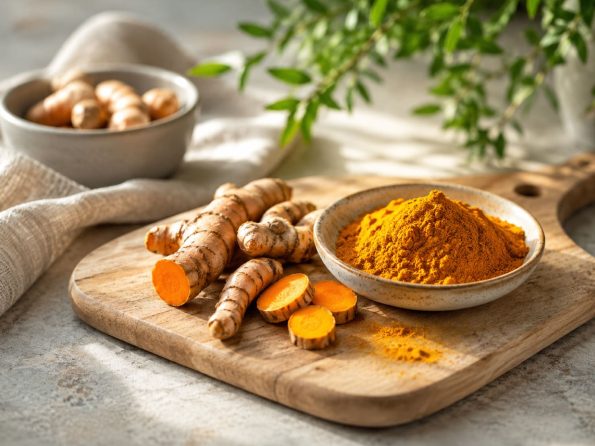
Turmeric[1] often called the “golden spice,” has been used for centuries in traditional Ayurvedic and Chinese medicine to support overall health and wellbeing. Turmeric contains a group of natural compounds called curcuminoids, with curcumin being the primary active ingredient responsible for many of its health benefits. Curcumin is widely recognised for its antioxidant, anti-inflammatory, and joint-supporting properties, making it one of the most extensively studied botanical ingredients today. Despite its impressive health benefits, curcumin has one major limitation, it is poorly absorbed by the body. Research shows that only a small amount of curcumin reaches the bloodstream when consumed on its own due to its low bioavailability. This is where BioPerine®, a patented black pepper extract containing piperine, plays an important role. By enhancing curcumin absorption, BioPerine® helps maximize the body’s ability to utilize curcumin, allowing you to experience its full health potential. Why Does Curcumin Have Poor Absorption? Although curcumin is the key active compound in turmeric, it has naturally low bioavailability, meaning only a small amount is absorbed and utilised by the body. According to WebMD[2], curcumin is rapidly metabolised and eliminated after consumption, limiting the amount that reaches the bloodstream. This naturally low bioavailability can make it challenging for the body to fully utilise curcumin’s potential benefits, highlighting the importance of a well-formulated curcumin supplement. Supplementing with Curcumin C3 Complex® and BioPerine® Curcumin C3 Complex® is a patented turmeric extract containing three key curcuminoids: curcumin, demethoxycurcumin, and bisdemethoxycurcumin. Together, these compounds provide antioxidant support, promote a healthy inflammatory response, and support overall wellbeing. Combined with BioPerine®, a patented black pepper extract containing piperine, the formulation is designed to improve curcuminoid uptake. Black pepper extract can significantly enhance curcumin absorption[3]. This combination supports joint health, cognitive function, antioxidant defence, and overall wellbeing. Health Benefits of Curcumin C3 Complex® and Bioperine® According to Johns Hopkins Medicine[4], curcumin, the primary active compound in turmeric, has antioxidant and anti-inflammatory properties that may support overall health and wellbeing. When combined with BioPerine® to enhance absorption, this synergistic formulation helps maximise the body’s ability to utilise curcuminoids, providing comprehensive health support. Anti-inflammatory effects Curcumin helps reduce inflammation and relieve arthritis and joint pain. Antioxidant protection Curcumin helps fight oxidative stress, protect cells, and support overall health. Cognitive support Curcumin may support memory, focus, and brain health while reducing oxidative stress. Joint health Supports joint mobility and flexibility while reducing pain and stiffness. Digestive health Curcumin helps reduce digestive discomfort and supports gut health. Why Should We Take Curcumin Supplements? While turmeric in food offers some health benefits, curcumin has low bioavailability[5], meaning only a small amount is absorbed by the body. Curcumin supplements provide a concentrated and more absorbable form, making it easier to get a consistent dose. Concentrated Dose Supplements provide higher levels of curcumin than typical turmeric powder. Enhanced Absorption BioPerine® helps improve curcumin absorption, allowing more to reach the bloodstream. Convenience Supplements provide a consistent, measured dose of curcumin. Targeted Benefits Curcumin supplements may support inflammation, joint health, and cognitive function. Turmeric is a powerful superfood, but to fully unlock its benefits, you need Curcumin C3 Complex® and Bioperine®. These ingredients work together to improve absorption, supporting inflammation reduction, brain health, and joint and digestive wellness. For a high-quality turmeric supplement, VitaHealth Turmercare is an excellent choice. Combining Curcumin C3 Complex® and Bioperine®, it ensures maximum absorption for optimal health benefits. Click to learn more. Frequently Asked Questions (FAQ) What is Curcumin C3 Complex®? Curcumin C3 Complex® is a patented turmeric extract standardised to contain the three major curcuminoids naturally found in turmeric: curcumin, demethoxycurcumin, and bisdemethoxycurcumin. These compounds work together to provide antioxidant and anti-inflammatory support. What is BioPerine®? BioPerine® is a patented black pepper extract containing piperine, a natural compound that helps improve the absorption and bioavailability of nutrients such as curcumin. Why is BioPerine® added to curcumin supplements? Curcumin is naturally difficult for the body to absorb. BioPerine® helps improve its bioavailability by enhancing intestinal absorption and slowing its breakdown, allowing more curcumin to be utilised by the body. Can I take curcumin every day? Yes. Curcumin supplements are commonly taken daily as part of a healthy lifestyle. Always follow the recommended dosage on the product label or consult your healthcare professional if you have any concerns. Is turmeric powder the same as Curcumin C3 Complex®? No. Turmeric powder is the whole spice used in cooking, while Curcumin C3 Complex® is a concentrated, standardised extract that provides a much higher level of active curcuminoids. Can I get enough curcumin from turmeric in food? Turmeric is a healthy spice, but it naturally contains only a small percentage of curcuminoids. A curcumin supplement provides a higher and more consistent number of active compounds than turmeric used in everyday cooking. Reference Turmeric – Vitahealth Connection. (2019). Vitahealthconnection.Com. https://vitahealthconnection.com/ingredients-a-z/turmeric/ (2019). Turmeric: Uses, Side Effects, Interactions, Dosage, and Warning. Webmd.Com. https://www.webmd.com/vitamins/ai/ingredientmono-662/turmeric Watson, K. (2017, July 12). Turmeric side effects: Health benefits and risks. Www.Medicalnewstoday.Com. https://www.medicalnewstoday.com/articles/318405 Turmeric Benefits. (2026, April 30). Hopkinsmedicine.Org. https://www.hopkinsmedicine.org/health/expert-qa/turmeric-benefits Wikipedia Contributors. (2019, September 7). Bioavailability. Wikipedia; Wikimedia Foundation. https://en.wikipedia.org/wiki/Bioavailability

Maintaining healthy cholesterol levels is essential for supporting long-term heart and cardiovascular health. While cholesterol is often viewed negatively, your body actually needs it to build cells, produce hormones, and support other important functions. According to the American Heart Association (AHA) [1], having high LDL (“bad”) cholesterol or low HDL (“good”) cholesterol can increase the risk of plaque buildup in the arteries, which may affect heart health over time. The good news is that healthy cholesterol levels can often be supported through a combination of a balanced diet, regular exercise, and targeted nutritional support. Understanding the key nutrients and adopting simple daily habits can help promote healthy cholesterol balance and support overall cardiovascular wellness. What Is Cholesterol? According to Cleveland Clinic [2], cholesterol is a waxy, fat-like substance that your body needs to build healthy cells, produce hormones, and make vitamin D. While cholesterol is essential for normal body functions, maintaining healthy cholesterol levels is important for supporting long-term heart and cardiovascular health. There are two main types of cholesterol: LDL (Low-Density Lipoprotein) – Often called “bad cholesterol,” high LDL levels can contribute to plaque buildup in the arteries, increasing the risk of heart disease and stroke. HDL (High-Density Lipoprotein) – Known as “good cholesterol,” HDL helps remove excess cholesterol from the bloodstream and carries it back to the liver for removal. Maintaining a healthy balance between LDL and HDL cholesterol is an important part of supporting overall cardiovascular health. Key Nutrients That Support Healthy Cholesterol Levels A combination of clinically studied nutrients can help support healthy cholesterol levels and overall cardiovascular health when combined with a balanced diet and healthy lifestyle. Omega-3 Fatty Acids According to Cleveland Clinic [3], omega-3 fatty acids are essential fats that support heart health and help maintain healthy blood lipid levels. Since the body cannot produce sufficient amounts on its own, omega-3s should be obtained through diet or supplementation. Omega-3 fatty acids are commonly obtained from fish oil (EPA & DHA) or plant-based sources such as flaxseed oil, which provides alpha-linolenic acid (ALA). How Do Omega-3 Fatty Acids Work? Omega-3 fatty acids help reduce the production of triglycerides in the liver while supporting healthy blood vessel function and a balanced inflammatory response. This helps maintain healthy blood lipid levels and supports cardiovascular health. Key Benefits of Omega-3 Supports healthy triglyceride levels Promotes cardiovascular health Helps maintain a healthy lipid balance Red Yeast Rice According to the National Center for Complementary and Integrative Health (NCCIH) [4] , red yeast rice is a traditional fermented ingredient that has been used for centuries to support healthy cholesterol levels. It naturally contains compounds known as monacolins, including monacolin K, which help support normal cholesterol metabolism. How Does Red Yeast Rice Work? Red yeast rice helps reduce the body’s natural production of cholesterol in the liver by supporting the regulation of cholesterol synthesis. This helps maintain healthy LDL (“bad”) cholesterol levels and supports overall lipid balance. Key Benefits of Red Yeast Rice Supports the maintenance of healthy cholesterol levels Helps maintain healthy LDL cholesterol Supports a healthy lipid balance Promotes cardiovascular health Plant Sterols According to WebMD [5], plant sterols are naturally occurring compounds found in fruits, vegetables, nuts, seeds, and whole grains. Their structure is like cholesterol, allowing them to compete with cholesterol for absorption in the digestive system. How Do Plant Sterols Work? Plant sterols compete with dietary cholesterol for absorption in the intestines, reducing the amount of cholesterol absorbed into the bloodstream. As a result, the body absorbs less cholesterol, helping maintain healthy LDL (“bad”) cholesterol levels. Key Benefits of Plant Sterols Supports healthy cholesterol levels Helps maintain healthy LDL cholesterol Promotes cardiovascular health Daily Habits for Better Cholesterol Incorporating simple daily habits can help support healthy cholesterol levels over time: Choose Healthier Fats Replacing saturated fats with unsaturated fats, such as those found in fish, nuts, and plant oils, supports heart health. Increase Fibre Intake Foods rich in soluble fibre, such as oats, fruits, and vegetables, help support cholesterol balance. Stay Physically Active Regular movement supports cardiovascular function and overall metabolic health. Maintain a Healthy Weight Weight management plays an important role in supporting cholesterol levels. Reduce Processed Foods Limiting high-fat and highly processed foods supports long-term heart health. Keep Your Cholesterol in Check Supporting healthy cholesterol levels starts with a balanced diet, regular exercise, and healthy lifestyle habits. To complement your daily routine, VitaHealth offers a range of scientifically formulated supplements designed to support heart health, healthy cholesterol levels, and overall cardiovascular wellness. Omega-3 for everyday heart, brain & eye health, healthy triglyceride levels Click to learn more Plant-based omega-3 support for heart, brain, eyes & skin Click to learn more Red yeast rice & plant sterols for healthy cholesterol management Click to learn more Frequently Asked Questions (FAQs) What are the benefits of omega-3 fatty acids for heart health? Omega-3 fatty acids help support healthy triglyceride levels, promote cardiovascular health, and maintain overall lipid balance. They also support healthy blood vessel function as part of a heart-healthy lifestyle. How do plant sterols help support cholesterol levels? Plant sterols have a structure similar to cholesterol. They compete with cholesterol for absorption in the intestines, helping reduce the amount of cholesterol absorbed into the bloodstream and supporting healthy LDL cholesterol levels. Is red yeast rice effective for supporting healthy cholesterol levels? Red yeast rice has been traditionally used to support healthy cholesterol levels. It naturally contains compounds called monacolins, which help support normal cholesterol metabolism when combined with a balanced diet and healthy lifestyle. What causes high cholesterol? High cholesterol can result from several factors, including: A diet high in saturated and trans fats Lack of physical activity Excess body weight Smoking Ageing Family history and genetics Can younger adults have high cholesterol? Yes. High cholesterol can affect people of all ages. Poor diet, lack of exercise, obesity, and family history can all contribute to elevated cholesterol levels, even in younger adults. Can I take fish oil together with VitaHealth Cholesterol Support supplements?

In today’s fast-paced world, stress has become an unavoidable part of everyday life. Whether it’s caused by work pressures, family responsibilities, financial concerns, or the constant demands of modern living, prolonged stress can take a toll on both mental and physical wellbeing. According to the World Health Organization (WHO) [1], stress can affect mood, sleep, concentration, and overall quality of life when it becomes chronic. When the body is under stress, it releases hormones such as cortisol[2] and adrenaline[3] to help us respond to challenges. According to Cleveland Clinic [4], while this “fight-or-flight” response is beneficial in short-term situations, prolonged or chronic stress can keep these hormones elevated, potentially contributing to anxiety, poor sleep quality, fatigue, difficulty concentrating, and a weakened immune system. Fortunately, nature provides effective ways to help the body better cope with stress. Two well-researched botanical ingredients, Ashwagandha and Lavender, have been used for centuries to promote relaxation, reduce stress, and support emotional wellbeing naturally. What is Ashwagandha? Ashwagandha (Withania somnifera) is one of the most well-known herbs in traditional Ayurvedic medicine, having been used for over 3,000 years to support overall health and wellbeing. Often referred to as “Indian ginseng” because of its rejuvenating properties, it is classified as an adaptogen—a natural herb that helps the body adapt to physical and mental stress. According to Healthline [5], Ashwagandha has been traditionally used to help relieve stress, increase energy levels, improve concentration, and support overall wellbeing. Native to India and Southeast Asia, the roots and leaves of the plant have been used for centuries in traditional Ayurvedic medicine. According to WebMD [6], Ashwagandha is commonly used to help manage stress, improve sleep quality, enhance physical performance, and support overall wellbeing. It also contains natural antioxidant and anti-inflammatory compounds that help protect the body against oxidative stress. What is Lavender? Lavender (Lavandula angustifolia) is a fragrant flowering herb from the mint family that has been used for centuries in traditional herbal medicine. Native to the Mediterranean region, it is widely recognised for its calming aroma and relaxing properties. According to Wikipedia [7], lavender has traditionally been used to promote relaxation, reduce stress and anxiety, and support better sleep. Today, it is available in various forms, including essential oils, herbal teas, dietary supplements, and aromatherapy products, making it a popular natural remedy for everyday stress management. Lavender contains naturally occurring compounds such as linalool and linalyl acetate, which are believed to contribute to its calming effects. Research suggests these compounds may interact with the nervous system to promote relaxation, helping reduce feelings of stress and anxiety while supporting emotional wellbeing and sleep quality. Incorporating VitaHealth Charge-UP® Ashwagandha+ into your daily wellness routine is a simple way to support stress management, relaxation, and better sleep. Formulated with ashwagandha and lavender, this herbal supplement helps promote a sense of calm and balance, making it easier to unwind in today’s busy, demanding world. Discover how VitaHealth Charge-UP® Ashwagandha+ can support your everyday wellbeing and help you feel more relaxed and balanced. Click to learn more. Health benefits of VitaHealth CHARGE-UP® Ashwagandha+ Supports calm and relaxed mind Provides nutritional support for healthy stress management Supports energy and vitality, helps relieve fatigue or tiredness Supports cognitive function Frequently Asked Questions (FAQ) What are the benefits of Ashwagandha and Lavender? Ashwagandha and Lavender work together to support stress relief and relaxation. Ashwagandha helps the body adapt to physical and mental stress, while Lavender promotes calmness and relaxation. Together, they support better sleep, a balanced mood, and overall emotional wellbeing. Can Ashwagandha and Lavender help improve sleep? Yes. Ashwagandha helps support stress management, while Lavender promotes relaxation and calmness. Together, they support better sleep quality and more restful sleep. Can I take Ashwagandha and Lavender every day? Yes. Ashwagandha and Lavender can be taken as daily supplements to support stress management and emotional wellbeing. Follow the recommended dosage on the product label, or consult a healthcare professional if you have any concerns. Can Ashwagandha reduce cortisol levels? Yes. Ashwagandha has been studied for its potential to support healthy cortisol levels during periods of stress. By supporting a balanced stress response, it may help promote overall wellbeing. When is the best time to take Ashwagandha and Lavender? Ashwagandha and Lavender can be taken at any time of day. Take them consistently as directed, either during the day to support stress management or in the evening to promote relaxation and restful sleep. Are Ashwagandha and Lavender safe for long-term use? Ashwagandha and Lavender support long-term wellness when taken as directed. Consult a healthcare professional before use if pregnant, breastfeeding, taking medication, or managing a medical condition. Reference WHO. (2024, September 2). Mental Health at Work. World Health Organization. https://www.who.int/news-room/fact-sheets/detail/mental-health-at-work Cleveland Clinic. (2021). Cortisol: What it is, function, symptoms & levels. Cleveland Clinic; Cleveland Clinic. https://my.clevelandclinic.org/health/articles/22187-cortisol Cleveland Clinic. (2022, May 19). Adrenaline. Cleveland Clinic; Cleveland Clinic. https://my.clevelandclinic.org/health/body/23038-adrenaline Cleveland Clinic. (2024). Stress. Cleveland Clinic. https://my.clevelandclinic.org/health/diseases/11874-stress Kubala, J. (2019, November 3). Health Benefits of Ashwagandha, Based on Research. Healthline; Healthline Media. https://www.healthline.com/nutrition/ashwagandha?utm_source=chatgpt.com Ashwagandha: Uses, Side Effects, Interactions, Pictures, Warnings & Dosing – WebMD. (2025). Webmd.Com. https://www.webmd.com/vitamins-supplements/ashwagandha Wikipedia Contributors. (2019, November 14). Lavandula. Wikipedia; Wikimedia Foundation. https://en.wikipedia.org/wiki/Lavandula
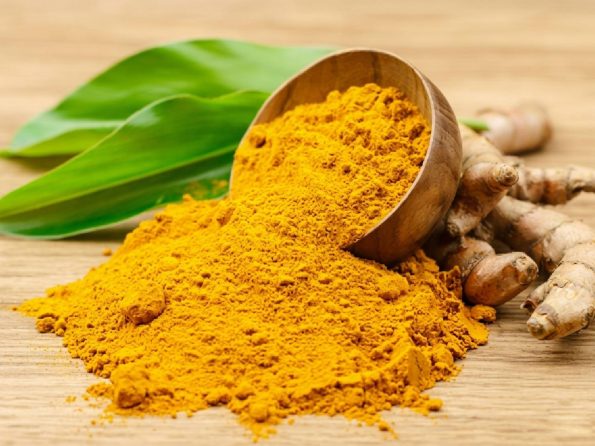
Turmeric and curcumin are often mentioned together in discussions about natural health supplements, but they are not the same. While both are widely recognized for their health benefits, understanding their key differences can help you select the right option for your individual health goals. Turmeric vs Curcumin What is Turmeric? Turmeric1 is a bright yellow spice derived from the Curcuma longa plant, commonly used in cooking and traditional medicine. It has been utilized for centuries due to its powerful medicinal properties. Turmeric contains over 100 bioactive compounds that support various aspects of overall health. What is Curcumin? Curcumin2 is the active compound found in turmeric. It is responsible for turmeric’s characteristic yellow color and is largely responsible for many of its medicinal benefits, particularly its anti-inflammatory and antioxidant effects. Unlike turmeric, which is consumed in its whole form, curcumin is often isolated and sold as a concentrated supplement. Key Benefits of Turmeric: Supports the body’s natural inflammatory response Promotes healthy digestion Rich in antioxidants, which help neutralize free radicals Supports skin and joint health Key Benefits of Curcumin: Strong anti-inflammatory effects Potent antioxidant properties Supports heart and brain health When used together, turmeric and curcumin complement each other to maximize health benefits and support overall well-being. DID YOU KNOW? Turmeric and curcumin are naturally poorly absorbed by the body3 which is why patented or enhanced formulations are needed to maximise their benefits. VitaHealth Turmeric Series: Clinically Backed for Better Absorption, Better Results. Turmercare Formulated with patented turmeric extract, Curcumin C3 Complex® Added with Bioperine® black pepper extract which can enhance curcumin bioavailability and absorption in the body by 200%4 TurmerFlex & TurmerLiv Formulated with patented turmeric extract, Hydrocurc5, which uses LipiSperse® technology, allowing curcumin to freely disperse in water for maximum absorption in the body Learn more about VitaHealth turmeric series. Frequently Asked Questions (FAQs) What’s the main difference between turmeric and curcumin? Turmeric is the whole spice, while curcumin is the active compound within turmeric responsible for its anti-inflammatory and antioxidant effects. Curcumin constitutes only a small percentage of turmeric, with the rest of the root containing over 100 other beneficial compounds. Is it safe to consume turmeric every day? For most individuals, turmeric is safe to consume daily, whether through food or supplements. It is generally gentle on the digestive system, but high doses or concentrated curcumin supplements may cause digestive discomfort. It is recommended to consult with a healthcare professional before taking high doses of curcumin. How can the absorption of turmeric be enhanced? Turmeric is best absorbed when taken with black pepper extract (piperine) or fats, which enhance its bioavailability. Many VitaHealth Turmeric supplements are designed with optimal absorption in mind, ensuring the full benefits of turmeric are available with each dose. Is turmeric safe for people with sensitive stomachs? Turmeric is generally well-tolerated, even for people with sensitive stomachs. It can aid in digestion and soothe digestive discomfort. However, high doses of curcumin or concentrated turmeric supplements might cause mild gastrointestinal discomfort in some individuals. Starting with lower doses can help assess tolerance. How long does it take for turmeric to show results? The time it takes for turmeric to show noticeable effects varies depending on the individual and the specific health concern. For general wellness and inflammation support, results may be seen within a few weeks of consistent use. For more targeted conditions like joint pain or skin health, it may take a few months of daily use to experience significant benefits. References Turmeric – Vitahealth Connection. (2019). Vitahealthconnection.Com. https://vitahealthconnection.com/ingredients-a-z/turmeric/ WebMd. (n.d.). Retrieved from https://www.webmd.com/vitamins/ai/ingredientmono-662/turmeric Susan J Hewlings, D. S. (2022). Curcumin: A Review of Its’ Effects on Human Health. Foods. Lopresti, A. L. (2018). The Problem of Curcumin and Its Bioavailability: Could Its Gastrointestinal Influence Contribute to Its Overall Health-Enhancing Effects? Advances in Nutrition, 41-50. Hydrocurc. (2023). Retrieved from https://www.hydrocurc.com/

With so many brands on the market, choosing the right health supplements in Singapore can be overwhelming. Here’s how to find one you can trust — and get the most out of your wellness routine. 1. Check for Trusted Brands Choose established, reputable brands with a proven safety record and transparent ingredient lists. Trusted names like VitaHealth prioritise science-backed formulations and strict quality control, giving you peace of mind with every capsule. 2. Look for Clear Labelling A quality supplement should state all ingredients, dosage, expiry date, and batch number clearly on the label. Avoid products with vague “proprietary blends” or miracle claims like “cures disease” — these are not permitted by Singapore’s Health Sciences Authority (HSA). 3. Choose Products Listed on HSA’s Voluntary Notification System (VNS) Look for supplements that are listed on HSA’s Voluntary Notification System (VNS). This system allows companies to proactively declare product information to HSA, promoting transparency and consumer confidence. Products listed on the VNS have undergone checks to ensure accurate labelling and compliance with HSA’s safety standards. VitaHealth proudly lists its products on the HSA VNS, reaffirming our commitment to quality, transparency, and consumer trust. Check out the official HSA VNS list here. 4. Buy from Reliable Sources Purchase from reputable pharmacies and official online stores. Avoid unverified sellers on social media or overseas websites that may offer counterfeit or unsafe products. 5. Match to Your Needs Pick supplements that meet your personal goals — whether it’s for energy, immunity, bone health, or mental wellness. Consult a healthcare professional if you’re on medication, pregnant, or have specific health concerns. 6. Store Properly Heat and sunlight can degrade supplement quality. Always store your products in a cool, dry place and use them before the expiry date for best efficacy. Your Health, Your Choice At VitaHealth, we’re committed to helping you live a Healthy Life, Happy Vibes with premium, research-driven supplements that support every stage of your wellness journey. Explore VitaHealth’s range of supplements trusted across Singapore and beyond. Frequently Asked Questions (FAQs) Are health supplements regulated by HSA in Singapore? Yes, the Health Sciences Authority (HSA) oversees the safety and labelling of health supplements in Singapore. However, supplements are not pre-approved before sale — companies are responsible for ensuring product safety and compliance. What is the HSA Voluntary Notification System (VNS)? The VNS allows companies to voluntarily declare product and ingredient information to HSA. Products listed on the VNS have been reviewed for proper labelling and compliance, promoting transparency and consumer trust. How do I know if a supplement is safe to consume? Check that the product is from a reputable brand, listed on the HSA VNS, and sold by trusted pharmacies or official e-commerce stores. Avoid supplements making unrealistic claims like “instant cure” or “miracle results.” Can I take multiple supplements together? It depends on your needs. Some vitamins and minerals interact with each other or with medications. Always consult a doctor, dietitian, or pharmacist before combining supplements. Why should I choose VitaHealth supplements? VitaHealth offers science-backed, premium-quality formulations made under strict quality standards. Many VitaHealth products are listed on HSA’s Voluntary Notification System, ensuring transparency, safety, and consumer confidence.

When most people think about strong bones, calcium[1] and vitamin D[2] are the first nutrients that come to mind. Both are indeed essential — calcium provides strength and structure, while vitamin D improves calcium absorption. But here’s the truth: bone health is not just about calcium and vitamin D. Without another key nutrient, vitamin K2[5], calcium may not reach the bones where it’s needed most. Instead, excess calcium can build up in arteries, leading to hardened blood vessels and increased heart risks. That’s why vitamin K2 is the missing link for bone and heart health. Why Calcium and Vitamin D Alone Are Not Enough Calcium builds strong bones. Vitamin D helps the body absorb calcium from food and supplements. However, without vitamin K2, calcium may be “misdirected.” Instead of strengthening bones, it can accumulate in soft tissues and arteries, contributing to stiffness and cardiovascular strain. This is where vitamin K2 for bone and heart health plays a vital role. The Role of Vitamin K2 in Bone Health Vitamin K2 works as the body’s “calcium traffic controller.” [3] It activates specific proteins that guide calcium into the right places — bones and teeth — while keeping it out of arteries and organs. Activates osteocalcin → a protein that binds calcium to the bone matrix, improving bone density. Supports stronger bones → research shows vitamin K2 helps reduce bone loss and strengthens bones, particularly in older adults. Works with calcium and vitamin D → K2 ensures that the calcium absorbed by vitamin D actually gets deposited in bones, not arteries. Vitamin K2 and Heart Health Beyond bone health, vitamin K2 is equally important for cardiovascular health[4]. Prevents calcium buildup in arteries → by activating matrix GLA protein (MGP), vitamin K2 helps prevent arterial calcification. Supports circulation → flexible arteries mean better blood flow and less strain on the heart. Works with heart-protective nutrients → when paired with omega-3 fatty acids and antioxidants, vitamin K2 supports long-term cardiovascular well-being. This makes vitamin K2 a unique nutrient that supports both bones and heart health at the same time. The Vitamin Duo for Bone & Heart Health VitaHealth Vitamins K2 + D3 uses bioactive form of vitamin k2, Menaquinone-7 (MK-7) and vitamin D3 which are easier to be absorbed and utilised by the body. Maintains strong bones & teeth Supports healthy heart Convenient once-daily dosage for everyday protection Learn more about VitaHealth Vitamins K2 + D3. Frequently Asked Questions (FAQ) Is vitamin K2 better than vitamin D for bone health? Not exactly. Vitamin D helps the body absorb calcium, while vitamin K2 directs calcium into bones and away from arteries. Both work together with calcium to support strong bones and overall health. Can vitamin K2 prevent osteoporosis? Yes. Research shows that vitamin K2 helps reduce bone loss and improve bone density, making it an important nutrient for preventing osteoporosis, especially in older adults and post-menopausal women. What foods are rich in vitamin K2? Good sources of vitamin K2 include natto (fermented soybeans), cheese, egg yolks, and organ meats. However, these foods are not always part of a typical Singapore diet, so supplementation can help ensure adequate intake. Should I take vitamin K2 together with calcium and vitamin D? Yes. Calcium builds bones, vitamin D improves calcium absorption, and vitamin K2 directs calcium to the right places. Taking them together ensures maximum benefit for both bone and heart health. Who should consider taking vitamin K2 supplements? Adults over 40 concerned about bone strength, Post-menopausal women at risk of osteoporosis, People taking calcium and vitamin D supplements, Those with a family history of cardiovascular disease. How long does it take to see results from vitamin K2? Results vary, but consistent intake of vitamin K2 supplements may support bone and cardiovascular health within 2–3 months, especially when combined with a healthy diet and lifestyle. Are vitamin K2 supplements safe for daily use? Yes, vitamin K2 is generally safe for daily use at recommended doses. If you are taking blood-thinning medication (like warfarin), consult your doctor before starting a vitamin K2 supplement. References Calcium – Vitahealth Connection. (2020). Vitahealthconnection.Com. https://vitahealthconnection.com/ingredients-a-z/calcium/ Vitamin D – Vitahealth Connection. (2026). Vitahealthconnection.Com. https://vitahealthconnection.com/ingredients-a-z/vitamin-d/ Vitamin K2. (2018, September 21). Healthline. https://www.healthline.com/nutrition/vitamin-k2#bone-health Vitamin K2: Everything You Need to Know. (2018, September 21). Healthline. https://www.healthline.com/nutrition/vitamin-k2#heart-health Vitamin K2 – Vitahealth Connection. (2016). Vitahealthconnection.Com. https://vitahealthconnection.com/ingredients-a-z/vitamin-k2/
