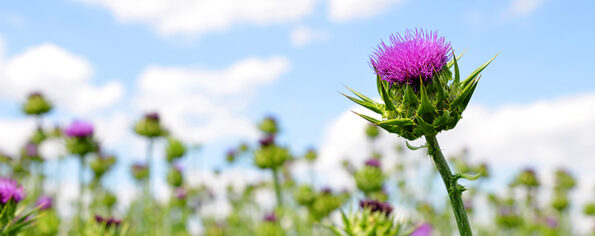
Modern life, one way or another, puts a tremendous toxic burden on our liver. We are living in an increasingly fast-paced and polluted world and eating more processed foods than ever before. The air we breathe in contains industrial fumes, automobile exhausts, tobacco smoke and tons of other harmful gases. Huge amounts of chemicals are added to foods and over 700 chemicals have been identified in drinking water. Cosmetics, personal care and household products that we use on a daily basis are also full of toxic chemicals. Moreover, stress and negative emotions also cause toxic build-up in the body. Hence, we need to protect it with the right liver supplements. Liver and detoxification Our liver, being the largest internal organ in the body, plays fundamental roles in a multitude of health-promoting tasks in the body. One of the principal functions of the liver is filtering the blood. It removes toxins from the bloodstream, rendering them less harmful, so that they can be excreted from the body. Highly efficient, it filters nearly 380 litres of blood every day, cleansing the blood from the detrimental toxins. In addition to detoxification, the liver is responsible for converting glucose (sugars) to glycogen (stored sugar), producing bile for the breakdown of fats, synthesising proteins for blood clotting, regulating hormones, storing vitamins and minerals, etc. However, the liver is vulnerable to injury and damage because it plays an essential role in chemical metabolism and is exposed to toxic substances. Regular, heavy alcohol consumption can also cause damage to the liver. Fat accumulation, drugs and viral infections are other major culprits that result in liver diseases. How can we tell when our liver is not working well? Watch out for symptoms such as fatigue, loss of appetite, nausea, itching, abdominal pain, unexplained weight loss, mental confusion, yellowing of the skin and eyes (jaundice) and swelling of legs (edema). If left untreated, these symptoms can progress and lead to other more severe complications. Protecting your liver with liver supplements Lifestyle changes such as abstaining from alcohol consumption, eating a balanced diet and being physically active can help protect your liver. Just like any filter, the liver needs to be cleansed regularly. Nourish your liver naturally with herbs such as milk thistle to stay energetic and revived. Milk thistle (Silybum marianum) is a flowering plant that has been used medicinally for over 2000 years. It contains both active and inactive constituents in varying amounts, with the active compound, silymarin, contributing to a multitude of health benefits and medicinal value. Most studies suggested the use of milk thistle extract standardised to 70% – 80% silymarin to confirm its effectiveness and efficacy. A high strength formula should contain 400mg of milk thistle extract. Milk thistle is traditionally used in liver supplements to support healthy liver functions and protect the liver against toxins, alcohol and environmental pollutants while encouraging the regeneration of damaged liver cells. It has powerful antioxidant properties and can help to block harmful free radicals from attacking liver cells. It also maintains gallbladder health and assists in healthy bile flow, essential for optimal digestion.

“My knee creaks when I bend.” “My lower back is very tight when I get out of the bed in the morning.” “My knee feels stiff after sitting for long periods of time.” These are common complaints that some ignore, some attribute to ageing and a handful uses joint care supplements to manage it. Poorly functioning joints can literally rob you of your freedom and take your joy out of living. It may mean it is hard for you to get out of bed, or keep up with your daily activities, not to mention, enjoying your hobbies. It also causes emotional stress which adds to your pain. Healthy joints matter A joint is where two or more bones meet. In healthy joints, bone ends are covered with a layer of tough but slippery tissue known as cartilage. The cartilage acts as a cushion between the bones so that they can glide smoothly over one another. The inner membrane of synovial joints, known as synovial membrane, secretes lubricating synovial fluid into the joint cavity to reduce friction between the articular cartilages during movement. Yet, ageing, repetitive wear-and-tear and forceful movements put an incredible amount of stress on your cartilage. Eventually, the cartilage between the joints breaks and wears away. This causes the adjacent bones to rub against each other, leading to aggravating pain, swelling and stiffness in the affected joints, which manifests as knee pains. These symptoms tend to worsen over time. Hyaluronic acid and MSM supplement: your answer for knee pain and optimal joint health Flex up and move freely minus the pain of joint woes with our joint care supplement, Flexiplex HA + MSM. A supplement for knee pain exclusively formulated with non-animal-sourced hyaluronic acid and MSM, it helps enhance joint mobility, keeping you moving flexibly and comfortably. It is available in vegetarian capsules and certified Halal. Hyaluronic acid (HA) Naturally occurring in synovial fluid, HA lubricates and cushions the joints, to reduce bone-to-bone friction. It also helps absorb shock in joints during rapid movements. However, the level of HA tends to dwindle as you age, leaving your joints stiff and painful. It is therefore important to consider taking oral supplementation to replenish the diminishing stores of HA in the body. The HA extracted from streptococcal fermentation has an optimal molecular weight that is readily absorbed for optimal joint health. Methylsulfonylmethane (MSM) MSM is an organic sulfur-containing compound vital in maintaining and repairing connective tissue in the joints. It is beneficial to alleviate joint discomfort, stiffness and swelling. Why let joint pain ruin your life when you can fix it for good? Get relief, move freely and live a fulfilling life without the pain of joint woes today!

If you think that osteoporosis is an elderly woman’s disease, think again. In actual fact, it can strike at any age and affects men too! According to the International Osteoporosis Foundation, globally, 1 in 3 women and 1 in 5 men, over age 50 will experience osteoporotic fractures during their lifetime. It causes over 8.9 million fractures annually, resulting in an osteoporotic fracture every 3 seconds! What is osteoporosis? Osteoporosis is a condition in which bones become porous and prone to fracture, even with mild impact from minor bump or fall. It usually develops without any tell-tale symptoms. You might not aware that it is robbing you of your bone mass until a fracture occurs, most commonly at the hip, spine or wrist. It can lead to chronic back pain, change in posture or loss of height. It can also impair your ability to walk and result in disability or even death. You are at a higher risk if you are a woman, aged over 50, menopausal or have a family history of osteoporosis. Inactive lifestyles, heavy smoking, excessive alcohol consumption, poor diet and insufficient calcium intake can also increase your susceptibility to osteoporotic fractures. How does osteoporosis develop? Bones are living tissues that constantly undergo remodelling. During childhood and adolescence, the bones are formed faster than are broken down. There is a net increase in bone mass until it reaches its peak in the 30s. Then, with advancing age, the bone breakdown overtakes bone formation resulting in a loss of bone mass that leaves the bones less dense and more likely to fracture. Optimising bone health Once osteoporosis develops, it cannot be reversed, but with proper nutrition, diet and lifestyle habits, it is highly preventable. Thus, it is critically important to start building healthy, strong bones in your early years. Calcium is the key nutrient for optimum bone growth and maintenance. The Recommended Nutrient Intake (RNI) of calcium is 800-1000mg per day for Malaysian adults. Yet, many of us still fall short of our daily calcium requirements. According to the Malaysian Adults Survey 2014, the average intake of calcium among grown-ups is below 50% of the RNI. Look out for calcium formula liquid form that is more readily absorbed by the body for optimum efficacy. It is absorbed best when taken in amounts of 500-600mg per dose. Go beyond calcium When it comes to maximising bone strength and preventing osteoporosis, calcium alone might not be enough. It also requires other essential co-factors such as magnesium, vitamin D3, boron, zinc, manganese and copper which work in synergy for optimised bone health. Magnesium plays an important role in the absorption and utilisation of calcium, as well as preventing the unabsorbed calcium from depositing in arteries, joints, tendons, or forming kidney stones. On the other hand, vitamin D3 facilitates calcium absorption and promotes bone formation. Boron is increasingly recognised as a key trace mineral for bone growth. It helps activate vitamin D which in turn improves calcium absorption from the small intestine, facilitates calcium deposition into the bones, and reduces urinary excretion of calcium. It also helps increase joint comfort and flexibility. A good source of boron is FruiteX-B, a patented plant-based form of boron with remarkable bioavailability. Supply your body with all the bone-building nutrients it needs, so you can stay active and enjoy a vibrant life well into your golden years.
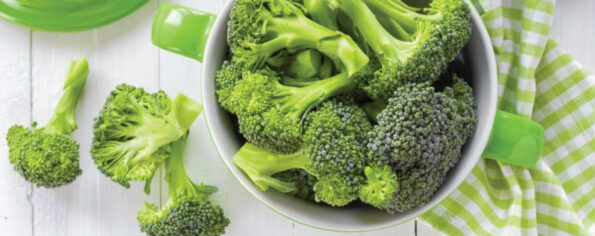
If you experience consistent tiredness, unexplained weight gain, headaches, muscle aches, indigestion, bad breath, skin rashes, insomnia, it is likely that your liver is struggling to process the toxins you are pouring into it. It is trying to tell you that it needs detoxification. Ignoring these red flags can allow an increased accumulation of toxins in your body and potentially set the stage for the development of chronic diseases down the road. Where do toxins come from? In today’s chemical-laden environment, you are constantly being exposed to all sorts of toxins – in the air you breathe, the food you eat, the water you drink, and also in the products you use each day. These include auto exhaust, air pollutants, tobacco, pesticides, food additives, alcohol, etc. High levels of toxins may exceed your liver’s capacity to process, posing great challenges to our health. Why do you need to detox? Getting rid of these pesky toxins can help restore your internal systems to their optimal working state. It boosts your energy, makes the skin glow, boosts the immune system, improves digestion and absorption of nutrients, promotes mental clarity, as well as helps in weight loss. How does your liver detoxify toxins? The majority of toxins that enter your body are fat soluble, which is difficult to excrete. Your liver detoxifies these harmful substances in a two-step process. Phase-I converts the toxins to activated intermediates that are more reactive than the original substances. Phase-II involves a conjugation step to render the intermediates less reactive, making them more water soluble, and easier to be excreted via bile or urine. Why is phase-II detoxification important? Excessive exposure to alcohol, tobacco and drugs may cause overactivity of phase-I enzymes. If the toxins are broken down quickly in phase-I, but phase-II is not able to keep up, the activated intermediates may build up in your body, generating free radicals and additional toxicity which, if excessive, can cause cellular damage. Efficient functioning of phase-II is of paramount to neutralise the phase-I intermediates as they are being produced. Otherwise, they will be expelled into bloodstream and deposit into fat cells where they are stored for years, if not for a lifetime. It may result in substantial health conditions, including increased susceptibility to toxin-induced diseases, such as cancer. How to improve phase-II detoxification? Sulforaphane is one of the most well-researched phytochemicals for detoxification and cancer prevention. It is reputed as a potent natural inducer to elevate the activity of phase-II enzymes to detoxify carcinogens and facilitate their excretion from your body, thereby reducing the risk of cancer formation. It also helps protect your cellular DNA against oxidative stress. How to get more sulforaphane? Cruciferous vegetables, particularly broccoli, are an excellent source of sulforaphane. Freshly germinated broccoli sprouts contain 10-100 times more sulforaphane than fully grown broccoli. While cooking can destroy the sulforaphane content, a more convenient and effective way to reap the benefits of this wholesome phytochemical is by supplementing with standardised extracts of sulforaphane. Keep your detoxification process in balance to efficiently eliminate toxins from your body, so you can feel fresh, revitalised and more energised. Embark to a healthier you and get ready to face the day!

If you wake up sneezing, coughing and feeling tired, you could have caught a cold or even worse, the flu! Colds and flu are both viral respiratory illnesses but are caused by different viruses. Flu is mild in most cases, but there are chances that it may lead to serious health complications such as sinusitis, bronchitis, ear infections or even pneumonia. Colds and flu are contagious Colds and the flu are both viral respiratory illnesses but are caused by different viruses. The virus can be easily transmitted from person-to-person through respiratory droplets emitted via sneezing or coughs from infected people. People can be infected by the droplets deposited on their mouth or nose, or by touching a surface or object that has flu virus on it and then touching their own mouth or nose. The flu virus can generally survive on hard surfaces for up to 8 hours! People infected with the virus may spread it to others one day before the symptoms develop and up to 5-7 days after becoming sick. The flu is mild in most cases, but there are chances that it may lead to other serious health complications such as sinusitis, bronchitis, ear infections or even pneumonia. Younger children, the elderly and those with weakened immune systems are especially susceptible to the flu and other upper respiratory infections. What puts you at risk for colds and flu? The immune system is a network of cells and organs that work together to defend your body against diseases caused by infectious bacteria, viruses, parasites and fungi. As you age, the immune system begins to decline, leaving you more vulnerable to developing an array of infectious diseases. Besides, your immune responses can be weakened by various external influences. You tend to ignore stress, but it may have a major influence on your immune system. Modern lifestyle habits such as a sedentary lifestyle and lack of sleep can make you more prone to infections. Excessive consumption of highly processed foods and alcohol, cigarette-smoking, medications and exposure to radiation can impede the functioning of immune cells, increasing your susceptibility to infectious diseases. Lack of proper hygiene habits exposes your body to more germs, thus, leading to poor immune systems. Fight with elderberry Remember, antibiotics treat bacterial infections, but do not work on viruses. You should take precautions and rebuild your immune system as a preventive measure against viral infections. Look out for natural herbs such as elderberry, reishi mushroom and astragalus to strengthen the immune functions. It is crucial to get enough sleep and rest to allow the body to de-stress and rejuvenate. Drink plenty of water to keep the body hydrated and have a regular exercise regimen to build a stronger body. Practice a healthy lifestyle and nourish the body with a balanced diet with plenty of fruits and vegetables. Elderberry With a long history of medicinal use, elderberry has earned its reputation as a powerful immune-stimulating herb. Of all the different varieties of elderberries, Sambucus nigra is one of the most popular species which packs a healthy punch of anthocyanins. The anthocyanins are shown to strengthen the immune functions. Elderberry has 5 times more anthocyanins than blueberries. It is thought to have a more potent antiviral activity than Echinacea. It contains an antiviral compound which can disarm viruses and prevent them from entering healthy cells. Reishi mushroom Reishi mushroom, commonly known as lingzhi, is a fungus that has been cherished for over 4000 years as a longevity-promoting tonic. Researchers have identified the polysaccharides in reishi mushroom which have potent immune-modulating effects. It has been used as a traditional Chinese medicine to restore Qi (life energy). Astragalus Astragalus has also long been used to strengthen the body’s natural defence. It is thought to possess antiviral activity and help with the prevention of colds and flu. Unlike echinacea, astragalus can be taken on a daily basis. It is effective at protecting the bodies against colds, the flu and upper respiratory infections.

A urinary tract infection (UTI) is defined as an infection in any part of the urinary system – kidneys, ureters, bladder and urethra. It is the most common bacterial infection in both community and hospital-based settings. Escherichia coli (E. coli) is the bacterium which causes the vast majority of UTIs. Though UTIs can affect anyone, women are more susceptible to the infection than men. 1 in 5 women will have a UTI at least once in her lifetime. About 20% of women who have previously contracted UTIs will have a recurrent infection. What are the signs and symptoms of a UTI? If you have one or more of the following signs and symptoms, you are more likely to have a UTI. Frequent or persistent urge to urinate but unable to pass much urine Pain or burning sensation during urination Pain or pressure in the rectum (men) or in the area of the pubic bone (women) Blood-stained, cloudy or foul-smelling urine Pain during sexual intercourse Discomfort in lower abdomen Fever or chills Prescribed antibiotics are typically used to treat UTIs. However, antibiotics tend to destroy both beneficial and harmful bacteria. In addition, some antibiotics may be ruled out if the bacteria causing infections have developed resistance to the prescribed antibiotics. Imbalanced microflora and bacteria’s resistance to antibiotics will further increase women’s risk towards UTI recurrence. How to prevent a UTI? There are several measures that can be taken to reduce the risk of developing a UTI or stop it from coming back, including: Drinking plenty of water Emptying the bladder regularly and completely, especially after sexual intercourse Wiping your bottom from front to back after going to the toilet Avoid using any perfumed products around your genitals Avoid using spermicide-containing products, particularly with contraceptive devices such as a diaphragm Natural remedies for treating UTIs Look out for the natural ingredients listed below as the first defence to fight UTIs. Cranberry contains A-type proanthocyanidins (PACs), a specific type of flavonoid compound which provides dual antioxidant and bacterial anti-adhesion properties. It prevents the bacteria from adhering to the lining of the urinary tract, thereby reducing the likelihood of infection and recurrence. Saw palmetto has long been used to treat bladder inflammation and UTIs. In addition to its role in improving urinary tract function, it is said to aid in the treatment of benign prostatic hypertrophy (BPH) in men. Pygeum, an extract made from the bark of the African plum tree, is a traditional remedy used for treating inflammatory urinary tract disorders. It helps improve the symptoms of BPH and relieve prostate swelling. Rich in lycopene, tomato boasts high antioxidant properties to support prostate and urinary tract health. It plays a protective role in the prevention of prostate cancer. Uva ursi has been shown to be effective in treating UTIs. It is loaded with arbutin, a glycoside with diuretic and urinary antiseptic actions. It helps flush out bacteria by promoting a healthy urine flow.

Omega-3 fatty acids are essential fatty acids that have long been touted for their health-promoting benefits. Your body cannot make omega-3 fatty acids on its own, hence, it is vital that you obtain them through your diet. However, the intake of omega-3 fatty acids is very low and far from being desirable amongst Malaysians, mainly because our local diets are not particularly high in this healthy fat. Signs of omega-3 fatty acids deficiency Dry or flaky skins Dry or brittle hair Soft or brittle nails Dry eyes Excessive thirst Poor concentration Anxiety or mood swings Health benefits of omega-3 fatty acids Decrease triglyceride levels Lower blood pressure Decrease platelet aggregation Prevent plaque formation in the arteries Reduce susceptibility to arrhythmia Delay the onset of Alzheimer’s disease Ease joint discomfort Supplementing with fish oil As the primary dietary sources of omega-3 fatty acids, fish oil provides significant amounts od eicosapentaenoic acid (EPA) and docosahexaenoic acid (DHA). Look out for molecularly distilled formulas for optimum purity. How much omega-3 fatty acids do you need? Usage Daily omega-3 fatty acids intake General cardiovascular health (without documented coronary heart disease) ≥500mg of EPA & DHA Triglyceride lowering 2-4g of EPA & DHA Secondary cardiovascular disease prevention (with existing coronary heart disease) ≈1g of EPA & DHA Hypertension 2-4g of EPA & DHA Cardiac arrhythmias (irregular heartbeat) 1.8g of EPA & DHA Rheumatoid arthritis 54mg/kg of EPA & 36mg/kg of DHA

Waking up to a huge acne bump in the morning is a total nightmare! A sudden acne breakout can cause a lot of embarrassment especially when you have an important date or event to attend. Most probably you do not feel like leaving the house or being seen. Acne can take a toll on one’s self-esteem and other psychosocial issues such as depression and anxiety. What causes acne? Acne is a skin condition characterised by red pimples on the skin, typically on the face, neck, chest, back and shoulders. These areas of skin have the most oil glands. Acne occurs when hair follicles in the skin become plugged with excess oil and dead skin cells, creating an ideal environment for bacteria to flourish. Bacteria p. acnes proliferate in the clogged pores when they feed on excess oil. A pimple starts to develop when the plug begins to break down. Acne outbreak can be triggered by internal factors which include genetics, hormones or stress. Some people may experience a surge of severe flare-ups during menstruation and stressful days. Acne can also be aggravated by external factors such as weather and humidity, the use of cosmetics or skincare products, consumption of dairy products, meat protein and sugars. Clear skin starts from the inside out Most of us experience acne at some point in life and we totally know how horrifying it is dealing with pesky acne. Some people may battle with persistent acne for years but still not see any improvement. In fact, there is no absolute cure that can eradicate acne for all. For a long-lasting acne solution, you should resolve the problem from within. Give your body the right nutrients it needs, rather than slathering it with harsh topical creams or taking oral medications such as antibiotics and birth control pills. They may improve your skin condition but at the same time, they can cause unwanted side effects. Your skin needs consistent care through healthy diets and lifestyle practices. Drink plenty of water to flush out toxins and hydrate the skin. Consume more fresh fruits and vegetables while limiting processed food, refined sugars, dairy products, fried, greasy and other acne-provoking food. Personal hygiene plays an important role in fending off acne. Keep your hands off your face, cleanse your face twice daily – in the morning and before bedtime, and gently exfoliate a few times a week. Exercising, getting enough sleep and taking time out for relaxation can help reduce stress and eventually lead to clearer skin. Herbal remedy offers a natural alternative to healing acne, revealing clear and healthy skin from the inside out. Unlike chemical-laden acne treatment, the herbal formula comes from natural sources, thus, it is generally milder and safer for long-term consumption. Horsetail, licorice, burdock, yellow dock and turmeric have been traditionally used to fight off acne. These herbs work synergistically to heal acne from within, from detoxifying the blood, to killing acne-causing bacteria, managing inflammation and rejuvenating the skin. Take control of your nasty acne before it interferes with your life. A natural regime, coupled with a healthy dietary and lifestyle tweak, will bring about improvement not only in your skin but also in your overall confidence.
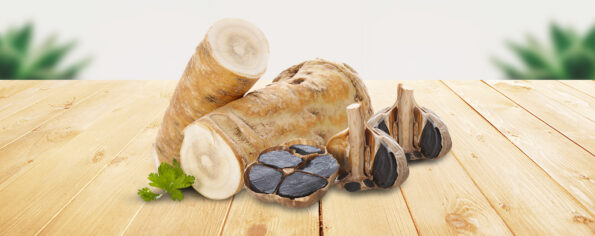
Nasal congestion, commonly known as stuffy nose, occurs when the tissues lining the sinuses becomes swollen due to inflamed blood vessels. It is often triggered by colds, flu, allergies or sinus infections. Sinuses are hollow cavities lined with delicate mucous membranes. Healthy sinuses are filled with air, but when they become swollen and irritated, mucus gets trapped inside your sinuses, leading to that annoying stuffed-up feeling. Sinusitis caused by nasal congestion If your stuffy nose and cough last longer than 10-14 days or worsen after 7-10 days, chances are you may have sinusitis. Commonly known as sinus, it not only makes it difficult to breathe, but also increases the pressure within your sinuses, causing throbbing pain in the cheeks, forehead and around your eyes, and headaches. If excess mucus runs down the back of your throat, it may cause a cough or sore throat. Fighting nasal congestion with natural herbs Over-the-counter medications are often used for quick relief to alleviate a stuffy nose, but the results are temporary. Thankfully, there are plenty of natural herbs available to treat the underlying causes of sinus and nasal congestion. Horseradish has a long history of use as a natural expectorant to help clear the congested respiratory passages. It helps expel mucus, which can become a breeding site for infection-causing bacteria if left stagnant within the respiratory system. It also helps thin mucus, making it easier to cough out. Garlic is revered for its antiviral, antibacterial and antifungal properties. Produced by a unique ageing process, aged black garlic confers greater bioavailability and antioxidant capacity than fresh garlic, making it easily absorbed by the body for greater protection against infections. It is effective in clearing up sinus infection as it unclogs the airways while removing bacteria which infect the nasal passages. Known for their anti-inflammatory properties, fenugreek acts as a natural demulcent which helps soothe the swelling of the nasal blood vessels. It also helps loosen and get rid of excess mucus. Eucalyptus oil effectively thins nasal mucus and clears the airways, providing a natural relief from nasal congestion. It is often used as a natural antiseptic to treat colds, sore throats and coughs. Deglycyrrhizinated licorice is specially processed to remove substantial amount glycyrrhizin, making it safer for long-term consumption. It has been traditionally used as an expectorant, helping to loosen up and expel mucus, and it also has a soothing effect on irritated mucous membranes. It is also good for easing sore throats, cough, and colds. Marshmallow is known to soothe and coat the irritated mucous membranes, thanks to its high mucilage content. Its demulcent quality helps loosen mucus build-up in the nasal passages, as well as alleviates dry coughs and sore throats. These valuable herbal ingredients work in synergy to help your body expel excess mucus from the congested nasal passage, soothe the inflamed mucous membranes, and kill the bacteria that cause sinus infections. In addition, it also provides relief for sore throats, coughs and colds.
