
Your body’s immune system is your first line of defence, like a surveillance system that operates 24 hours a day, constantly monitoring and protecting you. A healthy immune system is able to quickly detect and defeat potential cold, flu or upper respiratory tract infection causing pathogens such as bacteria or viruses. With the rapid spread of COVID-19 across the globe, more than ever we’re anxiously looking out for ways to boost our body’s natural defence, such as through health supplements. Vitamin C Vitamin C is a water-soluble vitamin with high antioxidant properties. Well known for its role in supporting a healthy immune system, vitamin C helps fight against viruses by improving natural killer cell activities and enhance activity of T lymphocytes. Bee Propolis Bee propolis is a natural resinous substance collected by bees from leaf buds and tree barks to line the beehive; acts as a natural defense to prevent infections in the honeycomb. It has significant levels of flavonoids which account for its antioxidant properties to help scavenge free radicals. Bee propolis possesses antiviral properties to protect the body against external aggressors. Elderberry With a long history of medicinal use, elderberry has earned its reputation as a powerful immune-stimulating herb. In addition to its antiviral properties, elderberry activates healthy immune system by increasing cytokine production. In essence, elderberry targets the virus itself while simultaneously boosting the natural defence mechanisms of the body. Vitamin D3 Sometimes called the “sunshine vitamin”, vitamin D is produced by the body in response to sunlight. It plays a major role in regulating immune system, including immune responses to viral infection. Probiotic Probiotics are live microorganisms that are intended to have health benefits when consumed or applied to the body. It promotes a healthy and balanced gut microbiota for enhanced immune support. Garlic Garlic is widely used to improve resistance to infections and reduce the severity of upper respiratory tract infection. It contains the immune-stimulating compound, known as allicin, which boost the disease-fighting response of some types of white blood cells when they encounter viruses, such as the viruses that cause the common cold or flu. Cordyceps Also known as “caterpillar fungus” or “winter worm, summer grass”, Cordyceps sinensis is a traditional Chinese medicine that has been used for centuries as a tonic to soothe the lung for the treatment of respiratory diseases. Turmeric Long been used to treat a wide variety of ailements, turmeric possesses remarkable health-promoting properties, thanks to its well-known anti-inflammatory and antioxidant properties. This golden spice provides a safe, natural approach, not only to calm inflammatory responses, but also to strengthen the body’s natural defence system.

It is vital for us to stay at home as a precautionary measure to prevent the spread of COVID-19. Staying at home and social distancing do not have to mean social isolation or boredom. Instead of feeling helpless and wasting the days, why not use this time to your advantage? Here are six productive things you can do. Read books When was the last time you read a book? Spend your time wisely to lift yourself up intellectually. You can now read some good books without interruption. Our National Library of Malaysia (PNM) offers 13.2 million digital reading materials for free digital reading during the MCO period. To read, visit https://pnm.elib.com.my/ Exercise Don’t make excuses for not exercising at home. Choose the right exercise for you to do in your living room or in your bedroom, for instance jumping jacks, push-ups, squats and sit-ups and the old-school jogging in place. You may search for online videos to follow and practice. Clean the house During this crisis, cleanliness is a key factor and staying away from germs is also very important. Therefore, it’s time for all of you to clean the house. Get all family members to participate together. Rub the floor with anti-bacterial soap, wash the toilet, clean the kitchen and clean the room and so on. Make sure every corner of your house is cleaned properly! Cook new recipes If you go through your social media feeds, there are definitely new and viral recipes for you to try at home. Get a simple and nutritious recipe from there to make sure that you eat well with balanced diet. Watch out for the high calorie food recipes! Meditate Anxiety over COVID-19 is spreading faster than the virus itself. Meditation can help you calm your anxiety and fear over the pandemic. It gives you a sense of peace, helps you focus your attention and feel less controlled by challenging thoughts. Learn new skills This is a great time to try your hand at something new. Think of the things you’ve always wanted to do, but never got the time to do. It could be painting, knitting, or playing a musical instrument. You can also consider learning a new language or picking up a new skill you could use in your career.

Working from home has many advantages such as flexible hours, better home-office balance and no traffic congestion! It can seem like a dream come true – but it can present its own set of challenges. Isolation, distractions and communication difficulties are some of the problems you may face if you work remotely. The lack of physical separation between home and work makes it difficult to “switch off” at the end of the day. You can keep being proactive even when you are working from home. Here is a bunch of great work-at-home tips to overcome the challenges. Create a dedicated workspace A conducive workspace can keep you motivated and focused. Create a dedicated workspace at home as your working station. Set yourself up with a comfy, supportive chair, a spacious desk, and consistent workplace tools. Avoid setting up your workspace in bedroom or living room to stay away from personal life that may interrupt your work. Keep yourself to regular work hours Working from home does not mean you can get lazy or delay all the works you need to do. One surefire way to keep productivity up is to keep to regular work hours. You need to schedule all tasks and meetings for the day to keep you on track. But, don’t forget your break for a meal! Stay connected with colleagues Make sure you check in with your colleagues during work hours, whether by call, text message or video call. There are many types of mobile software or applications that you can use to stay in touch. At some point, you do not even have to talk about work, just for a little chat to avoid ‘burn out’. Exercise & stretch regularly Working from home means you skip your commute and have fewer reasons to get up from your chair throughout the day. Make sure you stand up regularly to stretch or move around to alleviate body aches. Try simple exercises like jumping jacks, sit-ups, planks, lunges and push-ups. Avoid distractions It is undeniably true that you may face a lot of distractions while working from home. Therefore, you must establish strict boundaries and keep a firm barrier between my work life and home life. Physically removing yourself into a separate home office helps. With no television, books, kids or pets around, you succumb to them less easily. You may also find it helpful to turn off all of your social media during work hours.

Indulging in boba teas and desserts may satisfy your sweet tooth, but it can take a toll on your skin. Here’s the not-so-sweet truth about sugar: it accelerates the ageing process, making you look much older than you are! You are probably consuming a lot more sugar than you realise. Added sugar lurks in many packaged and processed foods, including breakfast cereals, condiments, trail mix, yogurt and protein bars. Not only that, the staple food you consume every day, such as rice, bread and noodles, are also converted to sugar in your body! How does sugar damage your skin? Too much sugar can age your skin through a process called glycation. Sugar binds with collagen and elastin, the two vital proteins which make your skin supple and elastic. This produces advanced glycation end products (AGEs) which weaken the skin’s structure, resulting in visible signs of ageing. AGEs generate high levels of free radicals which further aggravate skin ageing and increase glycation, leading to a vicious self-perpetuating cycle. Reverse ageing with resveratrol You cannot turn back the hands of time, but the good news is that you can delay ageing and reverse some of its ravages, to keep looking your best. While it is impossible to totally cut out sugar from your diet, managing the glycation process in your body is the best way to go. Sugar-proof your skin with the anti-glycation agent: resveratrol. Notably found in Japanese knotweed, resveratrol is a phytonutrient naturally synthesised as a defensive response to external aggressors. It has been scientifically proven to exert anti-ageing effects at both physical and cellular levels. The results? Rejuvenated, youthful skin your future self will thank you for! How does resveratrol work? Blocks glycation by reducing sugar release in the blood Inhibits formation of AGEs to halt the breakdown of collagen Scavenges free radicals through its potent antioxidant properties

The time of the year has come! It is Ramadhan, a blessed month for Muslims all over the world. During the entire month, fasting is observed from sunrise to sunset. Here are some tips to stay healthy and active this holy month. Suhoor with a nutritious meal Suhoor or the pre-dawn meal is not one to be missed. A balanced, wholesome suhoor can keep you hydrated and energised throughout the day. Consider incorporating rice, noodles, wholemeal bread or oats. These foods take more time to digest, keeping you feeling full for longer. Drink plenty of water Water is the best drink to keep you hydrated throughout the day. Drink at least 6 to 8 glasses of water in between iftar (dinner) and suhoor. It is preferred to drink lukewarm water instead of iced water as it may interfere with the efficiency of your digestive system. Cut down on tea or coffee as the caffeine leads to loss of water which increases thirst. Eat more fruits and vegetables Constipation during the fasting month could be a possible problem if the intake of water and fiber is inadequate. Load up on fruits and vegetables as they contain fiber and a rich variety of vitamins, minerals and phytonutrients that are vital for good health. Eat at least 3 servings of vegetables and at least two 2 serving of fruits a day. Go for varieties! Do not overindulge during iftar After fasting for almost 12 hours, it is the time for iftar after the sun has set. Iftar is not a feast, make sure to prepare a well-balanced and nutritious meal. Slow down and enjoy each mouthful of your food. Overindulging at iftar may result in indigestion, heartburn and weight gain. So just get enough to fill you up. Reduce intake of fried, salty and high-sugar foods The desire to have greasy, fried, salty and sugary foods is irresistible when you are thinking of what to eat for iftar as to reward yourselves. While these foods can make you feel good in the short run, they can make fasting the next day more difficult. Consuming fatty and sugary foods will cause sluggishness and fatigue. So be moderate! Be physically active Fasting in Ramadhan is not an excuse for you to be sedentary. Do simple exercise like brisk walks, stretching or light cardio workouts. It helps stimulate your body to use stored fat for energy, leading to a reduction in body fat. The best time to exercise while fasting is an hour or 30 minutes before iftar. Do not work out too early during the day to avoid excessive dehydration and hunger. Get enough rest and sleep Get enough rest, sleep early and wake up before dawn for suhoor. You will be easily upset, out of focus, forgetful, lack of motivation and fall sick without adequate rest. Sleep deprivation can lead to headaches too. You may also take a short nap during midday to recharge – it is a Sunnah!

Your gut microbiota contains approximately 1-2kg or 100 trillion bacteria from about 1000 different types of species. In fact, these bacteria are ten times more than the number of cells of your entire body! The delicate balance of gut microbiota Bacteria are not all bad. Most of the bacteria are good and you need them to maintain good health. It is of the utmost importance to keep a correct balance between the good and bad bacteria. Ideally, the colony of microflora should be composed of a ratio of 85% good bacteria to 15% bad bacteria. The key is to promote the growth of good bacteria while reducing the amount of the bad. What disrupts the gut microbiota? The delicate balance of gut microbiota can be disrupted by numerous factors such as: Stress Poor dietary choices Use of antibiotics Lack of exercise Smoking Alcohol consumption When your body does not have enough good bacteria, bad bacteria can thrive. An imbalance of gut microbiota, often due to lack of good bacteria or an overgrowth of bad bacteria, can negatively affect your well-being. Here are some signs to look for: Constipation, diarrhea or bloating Fatigue or sluggishness Mood swings Skin problems like eczema Poor concentration Unexplained weight changes Probiotic + prebiotic = synbiotic There are hundreds of varying strains of bacteria in a healthy gut, with specific strains benefiting certain parts of the gastrointestinal tract. Lactobacilli strains reside in the small intestines while Bifidobacteria settle predominantly in the colon. Probiotics work synergistically with prebiotics, non-digestible fibers that feed the good bacteria, stimulating their growth and activity in your gut. Inulin is one of the best-known examples of prebiotics. Combining probiotics and prebiotics in a powerful synergy, known as synbiotic, can optimise the beneficial effects of both. Gut health Probiotics have been shown to promote digestion and optimise the absorption of nutrients. They stimulate the enzymatic activities which break down the food you ingest. In the colon, probiotics promote regular bowel movements to eliminate the detrimental waste and toxins from your body. Good digestive health will ultimately relieve a number of digestive conditions including gas, bloating, flatulence and abdominal discomfort. Probiotics also help alleviate the symptoms of lactose intolerance. Immune defence Your gut and your immune system are closely linked. Housing 80% of your body’s immune cells, your gut plays a vital role as the first line of defence against infections. Probiotics reinforce the integrity of the gut barrier, providing an extra level of defence against infectious bacteria and other triggers from entering the bloodstream. By establishing colonies of good bacteria in the gut, probiotics help discourage the less friendly bugs which otherwise the immune system would have to deal with. What makes a good probiotic supplement? Not all probiotics strains are created equal. To ensure the quality and efficacy, look for a probiotic formula which is: High strength Made with multiple strains for synergistic benefits Resistant to stomach acid, bile and antibiotics to survive the stomach and intestinal transit Stable at room temperature during their storage throughout their shelf life In the form of capsules so the bacteria are protected from air, moisture and other contaminants Added with prebiotic to stimulate growth and activity of good bacteria Maintaining a balanced gut microbiota Tending to the bacteria in your gut is an ongoing process. Supplementing with probiotics offers a fast and effective way to replenish the good bacteria. Remember, you can only achieve good health when your body is able to effectively absorb and utilise the essential nutrients from what you eat and eliminate the metabolic by-products and toxins from the body. https://youtu.be/NAi-3iqRHL4

The choices you make about what you eat and drink each day affect your well-being. They should add up to a balanced, nutritious diet. You are what you eat! Eating healthy gives your body the nutrients it needs for growth and repair, helping you to stay strong and healthy. Learn how to make healthier food choices. Eat a variety of foods You need to consume a variety of foods to ensure your body obtains all the nutrients it needs. Use the Food Pyramid as a guide and make sure your everyday meal includes all the food groups. Plan your meal according to your daily energy requirement. Eat more fruits and vegetables Are you consuming enough fruits and vegetables every day? According to Malaysian Dietary Guidelines, adults are recommended to take 2 servings of fruits and 3 servings of vegetables. Fruits and vegetables are packed with vitamins and minerals which are beneficial for good health. Plus, fruits and vegetables are naturally low in calories. They are also a rich source of fiber, which helps to keep the digestive tract flowing. Go for healthy cooking methods The method in which your meals are prepared can make a huge impact on the nutritional value of the foods. Steaming and poaching are gentle cooking methods to cook food are they retain the food’s nutrients and require no oil. Grilling gives foods a slightly smoky flavour with a minimal amount of fat. Stir-frying is a cooking method you can rely on for a quick, healthy and delicious meal. Limit salt and sugar You might be getting more salt and sugar than you need. Most ready-to-eat, processed and preserved foods are high in salt and sugar. Sauces and condiments contain high levels of salt. So, use sparingly, or not at all. Remember to also reduce the use of sugar in the preparation of drinks and desserts. Avoid “bad fats” You can cut down your calorie intake by limiting foods high in saturated fat and trans-fat. Food sources of saturated fat include red meat (beef, pork and lamb) and dairy products (cheese, butter and cream). Trans-fats are the worst type of fat for the heart. Primary sources include commercially baked pastries, fried foods, vegetable shortening and packaged snack foods. Read the food label Reading food labels can help you make smart food choices. Always look for Healthier Choice Logo (HCL) Malaysia when buying packaged food products. This is an initiative introduced by the Ministry of Health Malaysia in 2017 to help consumers to quickly identify healthier products within the same food category.
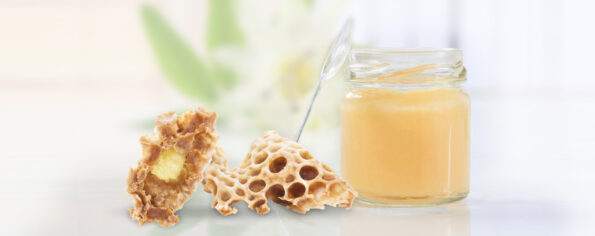
Royal jelly is the gelatinous secretion produced by worker bees in the beehive. It serves as the exclusive food for the queen bee, accounting for the queen bee’s extended longevity and fertility. The largest and longest living among all bees, the queen bee lives 40 times longer than its workers, surviving for up to 5 years. The queen bee stays fertile throughout her entire life, producing approximately 2,000-3,000 eggs every day. The healing properties of royal jelly Highly nutritious, this nature’s superfood is loaded with a mix of carbohydrates, proteins, lipids, minerals and vitamins. It is the only natural source of 10-hydroxy-2-decenoic acid (10-HDA), a bioactive component to which many health benefits are attributed. Fertility Historically linked to fertility, royal jelly packs an impressive nutritional punch for supporting vitality and reproductive health in men and women. This superfood is popular among trying-to-conceive parents. The dense nutrients in royal jelly are believed to support optimal hormonal balance, beneficial for increasing your chance of conceiving successfully. Energy & vitality For centuries, royal jelly has been highly sought after for its energy-boosting properties. It boasts high levels of B vitamins, making it a great to-go tonic to help increase energy levels, reduce fatigue and combat stress. It is thought to effectively fight physical and mental fatigue. Anti-ageing The antioxidant properties in royal jelly are beneficial for reducing oxidative stress in the body, thereby fending off signs of ageing. It helps boost the production of collagen, beneficial for restoring skin elasticity and delaying the formation of wrinkles. It has significant benefits in wound healing as well. Body defence A nature’s defender, royal jelly contains high amounts of powerful natural compounds renown for strengthening immunity and protecting well-being. It plays a vital role in reinforcing the body’s natural immune defence to fight against foreign bacteria and viruses. Why lyophilised royal jelly? Lyophilised royal jelly is made directly from fresh royal jelly which is freeze-dried immediately upon collection to lock in all the essential nutrients. Touted as the purest and most potent form of royal jelly, it made without the use of heat or chemicals. It is also more superior to liquid royal jelly which is more perishable and must remain frozen or refrigerated. Who should take royal jelly? You are recommended to take royal jelly if you: Wish to improve fertility Often feel tired Lead a hectic or stressful lifestyle Wish to preserve youthful skin Prone to infections
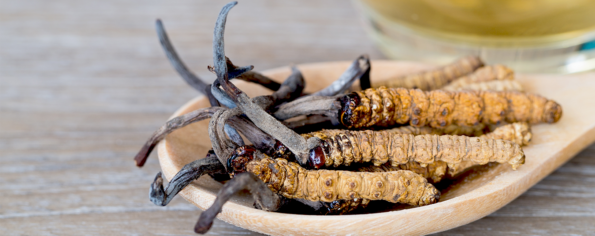
Cordyceps is one of the most sought-after medicinal fungi in traditional Chinese medicine (TCM). Owed to its scarcity and highly treasured properties for longevity, it was used exclusively in the Emperors’ palace in Ancient China. Life cycle of cordyceps Cordyceps is called “dong chong xia cao” in Chinese, which literally translates as “winter worm, summer grass”. The fungus first infects the larva of a caterpillar in the summer. It grows inside the caterpillar and eventually fills the cavity of its body, turning it into stiff “worm” in winter. A grass-like shoot erupts from the head of the fungus in the following summer. Health benefits of cordyceps Cordyceps is highly prized for its far-reaching tonifying health properties. It has been historically used to restore strength and balance the body’s internal systems. Athletic performance Cordyceps is great for physical endurance and stamina. It is known to naturally boost the production of adenosine triphosphate (ATP), which our body uses for energy. It is often used to fight fatigue and prevent weakness. Vitality & anti-ageing Renowned as a life-reinforcing tonic, cordyceps has long been used to balance the “Qi” – the vital life force. It is packed with antioxidants which help neutralise free radicals to slow the signs of ageing. Respiratory health For centuries, cordyceps has used to invigorate the lungs and improve respiratory function due to its ability enhances the oxygen utilisation efficacy. Additionally, it helps alleviate the symptoms of various respiratory ailments including asthma, chronic bronchitis and chronic obstructive pulmonary disease (COPD). Kidney health This ancient Chinese fungus plays an important role in tonifying the kidneys. It is revered for its potential in improving kidney function and alleviating complications associated with chronic kidney disease (CKD). Immune defence Rich in polysaccharides, cordyceps plays an important role in supporting a healthy immune response. Traditionally, it has been used to strengthen the body’s resilience against infections and diseases. Sexual health Often referred to as “Himalayan Viagra”, cordyceps is sought after for its promising aphrodisiac potential. It is effective in combating decreased sex drive and virility, along with improving fertility in men. Wild vs. cultivated cordyceps Thanks to modern biotechnological advances in cultivation, cordyceps is now affordably available for everyone. Wild Cultivated Limited availability More widely available Quality may vary Quality is consistent & stable Low levels of active constituents Higher levels of active constituents Comprises dead caterpillars Caterpillar-free Exposed to environmental toxins or heavy metals Free from environmental toxins or heavy metals
