
Not everyone who uses a computer needs an eye supplement. Long hours on a laptop, phone, or office screen in Singapore can still make people look at VitaHealth Eye-Pro. Habits and an eye check come first. Screen hours in Singapore A usual weekday often stacks several kinds of near work: a laptop in an air-conditioned office, or the same laptop at the dining table if you work from home a phone on the MRT, in the lift, and in queues evening messages, videos, or another hour of screen time after dinner That is a long stretch of looking at something close. Tired or uncomfortable eyes are common after a day like that. They are not, on their own, a reason to start a supplement. Long, uninterrupted computer use can leave eyes tired. Rest, lighting, screen distance, and breaks come first. A health supplement does not replace glasses, contact lenses, or a visit to an optometrist or doctor. If you already wear glasses for computer work, check whether the pair is still right for the distance you sit from the screen. What is on the VitaHealth Eye-Pro label itaHealth Eye-Pro is sold in Singapore. The label lists: marigold flower extract 200mg (XanMax), providing lutein 20mg and trans-meso zeaxanthin 4mg vegan vegetable capsules adults: 1 vegetable capsule, once daily, after a meal Eye-Pro is a health supplement. It is not a treatment for tired eyes, dry eyes, or any eye condition. If you buy it, follow the pack you hold. Desk habits that come first In a Singapore office or home desk: Sit so the centre of the screen is near eye level, not in your lap. Soften glare from windows or overhead lights. Keep a comfortable viewing distance from the screen. Look away from near work on a regular schedule, rather than staring through the whole day. If eyes stay uncomfortable after rest and a recent eye exam, speak to a pharmacist, optometrist, or doctor. None of those steps require a supplement. When people look at a supplement People often pick up a bottle after a long screen week. That is common. It is still optional. It may be worth reading a label if you: spend most of the working day on a computer or phone already take breaks from near work want the dose printed clearly on a vegan capsule are choosing among products sold in Singapore See an eye doctor promptly if you notice sudden vision changes, pain, double vision, or flashes of light (Singapore National Eye Centre). Do not rely on a supplement for those symptoms. Your situation What to do first Long screen hours, no recent eye exam Book an eye check Long screen hours, exam is current, habits are sloppy Fix lighting, distance, and breaks Habits are in place and you want the dose on a pack Read the Eye-Pro label Pain, sudden change, or flashes of light See an eye doctor Before you buy Consider an eye check if your prescription may need updating or symptoms persist. Use the desk habits above. Read the dose and form on the pack: lutein 20mg, trans-meso zeaxanthin 4mg, one vegan capsule daily after a meal. If you are pregnant, on medicine, or unsure, ask a pharmacist or doctor first. Buy from a usual Singapore shop or the official VitaHealth site, and keep the pack insert. Frequently Asked Questions (FAQs) Do I need an eye supplement if I work on a computer? No. Screen work is one reason people look at eye supplements. It is not a rule that you must take one. Start with an eye check and daily screen habits. Does VitaHealth Eye-Pro treat screen fatigue? No. Eye-Pro is a health supplement. The label lists lutein 20mg and trans-meso zeaxanthin 4mg. It is not a treatment. What does VitaHealth Eye-Pro contain? Each vegan vegetable capsule contains marigold flower extract providing lutein 20mg and trans-meso zeaxanthin 4mg. Adults take 1 capsule once daily after a meal. Can an eye supplement replace my glasses? No. Eye-Pro does not correct eyesight and does not replace prescribed lenses or professional care. References VitaHealth Singapore. Eye-Pro. https://www.vitahealth.com.sg/product/eye-pro/ Singapore National Eye Centre. Eye flashes. https://www.snec.com.sg/patient-services/eye-resources/common-eye-symptoms/eye-flashes

If you spend long hours looking at your phone, computer or other digital screens, you may have come across lutein when looking for ways to support your eye health. Lutein and zeaxanthin are carotenoids naturally found in the macula, the central part of the retina used for reading and seeing detail. The body does not make lutein. You get it from food, or from a supplement if you want a stated amount. A lutein supplement does not treat tired eyes or replace an eye check. What is lutein? Lutein is a carotenoid found naturally in certain foods. Your body does not produce lutein, so it needs to come from your diet or from a supplement. Dark leafy vegetables such as spinach and kale are good food sources of lutein. Egg yolks also contain lutein and zeaxanthin. In the eyes, lutein is concentrated in the macula together with zeaxanthin. These macular carotenoids have antioxidant properties and form part of macular pigment. Getting enough lutein through a balanced diet is one way to support everyday eye nutrition. For adults who want a stated amount of lutein each day, a supplement may also be an option. It does not replace food, screen habits or an eye examination. Why is lutein important for eye health? The macula plays an important role in central vision, which we rely on for activities such as reading, recognising faces and seeing details clearly. Lutein and zeaxanthin are naturally found in the macula. Adequate intake of these carotenoids can be part of a daily approach to supporting eye nutrition. Lutein supplements should not be viewed as a treatment for an eye condition. If you experience persistent eye discomfort, changes in vision or other eye symptoms, seek professional advice. Who may consider lutein supplements? Adults may consider a lutein supplement if they: want extra lutein and zeaxanthin as part of their daily nutrition do not regularly eat lutein rich foods such as leafy greens or eggs prefer a stated amount of lutein each day For people who spend long hours in front of digital screens, good eye care habits still come first. Take regular screen breaks, adjust screen brightness and keep a comfortable viewing distance. Not everyone who uses a computer needs a capsule. Food or supplements: which should you choose? You can get lutein naturally from a variety of foods, particularly dark leafy vegetables and egg yolks. Food comes first. A supplement can be an additional option for adults who want a set amount of lutein in their daily routine. You do not have to use food and a capsule together. VitaHealth Eye-Pro VitaHealth Eye-Pro is a lutein and zeaxanthin supplement for adults in Singapore. Each vegetable capsule contains: 20 mg lutein 4 mg total zeaxanthin from trans and meso zeaxanthin 200 mg marigold flower extract (XanMax®) That 4 mg is total zeaxanthin from both forms. It is not 4 mg of each. Suggested use: Adults take 1 capsule once daily after a meal, or as directed. Eye-Pro provides lutein and zeaxanthin as daily nutritional support. These carotenoids have antioxidant properties and are found in the macula. Screen habits and regular eye checks still matter. It does not treat digital eye strain, sharpen eyesight, or replace glasses. See VitaHealth Eye-Pro. How to choose a lutein supplement When comparing lutein supplements, look beyond the words “eye health” or “eye blend”. Check: Lutein content: How many milligrams of lutein are provided per serving? Zeaxanthin content: Is the amount clearly stated? Dosage instructions: How many capsules are recommended each day? Capsule type: If you prefer a vegan option, check whether the capsule is suitable for you. Source and formulation: Check which ingredients provide the lutein and zeaxanthin. VitaHealth Eye-Pro uses XanMax® marigold flower extract and provides 20 mg of lutein and 4 mg of trans-meso zeaxanthin per capsule. Frequently Asked Questions (FAQs) What does lutein do for your eyes? Lutein is a carotenoid naturally found in the macula, together with zeaxanthin and meso-zeaxanthin. These carotenoids form part of macular pigment and have antioxidant properties. They come from food or from a supplement. A lutein supplement does not treat an eye condition. Who is lutein for? Adults get lutein from food such as leafy vegetables and egg yolks. A supplement may suit adults who want a stated amount of lutein. Not everyone who uses a computer needs a capsule. Is VitaHealth Eye-Pro only lutein? No. Each VitaHealth Eye-Pro capsule provides 20 mg lutein together with 4 mg trans-meso zeaxanthin, sourced from 200 mg of XanMax® marigold flower extract. Can I get lutein from food? Yes. Lutein is naturally found in foods such as spinach, kale and other dark leafy vegetables. Egg yolks also contain lutein and zeaxanthin. A supplement can add a set amount if your diet is low in these foods. Are zeaxanthin and trans and meso zeaxanthin the same? Zeaxanthin is the general name for a carotenoid naturally found in the macula. Trans-zeaxanthin and meso-zeaxanthin are different forms (isomers) of zeaxanthin. In VitaHealth Eye-Pro, the 4 mg total zeaxanthin refers to the combined amount of both forms per capsule. References Abdel-Aal ESM, Akhtar H, Zaheer K, Ali R. Dietary sources of lutein and zeaxanthin carotenoids and their role in eye health. Nutrients. 2013;5(4):1169-1185. https://doi.org/10.3390/nu5041169 McIntyre, C. (2 Nov 2025). Lutein: uses, side effects, and more. WebMD. https://www.webmd.com/vitamins-supplements/lutein VitaHealth Singapore. Eye-Pro. https://www.vitahealth.com.sg/product/eye-pro/ VitaHealth Connection. Zeaxanthin. https://vitahealthconnection.com/ingredients-a-z/zeaxanthin/ NutriScience. XanMax. https://nutriscienceusa.com/product/xanmax/

Achieving radiant, glowing skin isn’t just about what you apply topically, it’s also about nourishing your skin from within. One ingredient that has gained increasing attention for its skin health benefits is L-glutathione, a naturally occurring antioxidant produced by the body. Well known for its skin-brightening and detoxifying properties, L-glutathione helps support healthy skin while promoting a brighter, more radiant complexion. According to the National Institutes of Health (NIH) [1], glutathione is one of the body’s most abundant antioxidants and plays an essential role in maintaining normal cellular health. To understand how L-glutathione works, it’s important to first understand free radicals. According to Medical News Today[2], free radicals are unstable molecules that can damage healthy cells when they accumulate in the body, contributing to oxidative stress and premature ageing. They are produced naturally during normal metabolism or generated by external factors such as UV radiation, air pollution, smoking, stress, and poor dietary habits. Excessive free radicals accelerate the breakdown of collagen and elastin, leading to fine lines, wrinkles, dark spots, uneven skin tone, and a dull complexion. By neutralizing free radicals and reducing oxidative stress, L-glutathione helps protect skin cells from damage, supporting healthier, brighter, and more youthful-looking skin from within. How L-Glutathione Helps Combat Free Radical Damage This is where L-glutathione comes in. As one of the body’s most powerful antioxidants, it helps neutralize free radicals before they can cause lasting damage to healthy skin cells. According to Wikipedia [3], antioxidants help protect the body against oxidative stress caused by free radicals, reducing cellular damage and supporting overall health. By reducing oxidative stress, L-glutathione helps protect your skin from premature ageing, keeping it looking smoother, firmer, and more radiant. In addition to its antioxidant activity, L-glutathione also supports the body’s natural detoxification process by helping to remove harmful substances and metabolic by-products. This promotes healthier skin from within while supporting the skin’s natural renewal process. Incorporating L-glutathione into your daily routine can help support a brighter, more even complexion while enhancing your skin’s natural glow. Whether through supplements, topical skincare, or glutathione-rich foods, L-glutathione helps nourish your skin from the inside out for healthier, youthful-looking skin. Supporting Skin Health with L-Glutathione As we age, our body’s natural glutathione levels gradually decline. Daily exposure to UV rays, pollution, stress, and unhealthy lifestyle habits can further increase oxidative stress, making it more difficult for the body to maintain optimal glutathione levels. According to Healthline [4], glutathione is a naturally occurring antioxidant that helps protect cells from oxidative damage and plays an important role in maintaining overall health. Supports skin brightening: L-glutathione helps regulate melanin [5] production, supporting a brighter, more even-looking complexion while reducing the appearance of dark spots and uneven skin tone. Powerful antioxidant support: As one of the body’s most important antioxidants, L-glutathione helps neutralize free radicals caused by UV exposure, pollution, and environmental stressors, protecting skin cells from oxidative damage. Supports healthy ageing: Healthy glutathione levels help protect collagen and skin cells from oxidative stress, supporting smoother, firmer, and younger-looking skin while reducing the appearance of fine lines and wrinkles. Supports skin’s natural defence against UV exposure: By helping reduce UV-induced oxidative stress, L-glutathione supports the skin’s natural defence against environmental damage, making it an excellent complement to your daily sunscreen and skincare routine. Learn more about VitaHealth L-Glutathione Plus. Frequently Asked Questions (FAQs) What is L-glutathione? L-glutathione is a naturally occurring antioxidant found in almost every cell of the body. It helps protect cells from oxidative stress, supports the body’s natural detoxification process, and promotes overall health. How does L-glutathione work? L-glutathione works by neutralizing free radicals and reducing oxidative stress, helping protect healthy cells from damage while supporting skin health and overall wellbeing. Can L-glutathione improve dull skin? Yes. By reducing oxidative stress and supporting healthy skin cell function, L-glutathione helps promote a brighter, healthier-looking complexion. Can L-glutathione help protect my skin from the sun? Yes, L-glutathione helps support the skin’s natural defence against UV-induced oxidative stress through its antioxidant activity. However, it should not replace sunscreen. For the best protection against sun damage, always use a broad-spectrum sunscreen together with other sun protection measures. Can I take L-glutathione every day? Yes. L-glutathione is commonly taken as a daily dietary supplement. Always follow the recommended dosage on the product label. When is the best time to take L-glutathione? L-glutathione can be taken at any time of the day. For best results, take it consistently according to the product directions. Are there any side effects of L-glutathione? L-glutathione is generally well tolerated when taken as directed. If you are pregnant, breastfeeding, taking medication, or have a medical condition, consult your healthcare professional before use. L-glutathione is a naturally occurring antioxidant found in almost every cell of the body. It helps protect cells from oxidative stress, supports the body’s natural detoxification process, and promotes overall health. L-glutathione works by neutralizing free radicals and reducing oxidative stress, helping protect healthy cells from damage while supporting skin health and overall wellbeing. Yes. By reducing oxidative stress and supporting healthy skin cell function, L-glutathione helps promote a brighter, healthier-looking complexion. Yes, L-glutathione helps support the skin’s natural defence against UV-induced oxidative stress through its antioxidant activity. However, it should not replace sunscreen. For the best protection against sun damage, always use a broad-spectrum sunscreen together with other sun protection measures. Yes. L-glutathione is commonly taken as a daily dietary supplement. Always follow the recommended dosage on the product label. L-glutathione can be taken at any time of the day. For best results, take it consistently according to the product directions. L-glutathione is generally well tolerated when taken as directed. If you are pregnant, breastfeeding, taking medication, or have a medical condition, consult your healthcare professional before use. References Averill-Bates, D. A. (2023). The antioxidant glutathione. Vitamins and Hormones, 109–141. https://doi.org/10.1016/bs.vh.2022.09.002 Villines, Z. (2017, July 29). Free radicals: How do they affect the body? Medical News Today. https://www.medicalnewstoday.com/articles/318652 Wikipedia Contributors. (2019, June 19). Antioxidant. Wikipedia; Wikimedia Foundation. https://en.wikipedia.org/wiki/Antioxidant Whelan, C. (2017, November 21). Glutathione Benefits. Healthline;
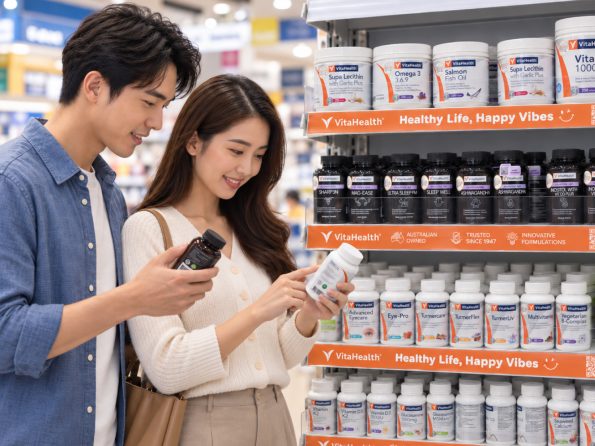
With so many vitamins and health supplements available today, it can be difficult to know which product is right for you. Learning how to read a supplement label1 can help you make informed decisions and choose supplements that best support your health goals. Check the Serving Size The serving size tells you how much of the supplement you should take and how many capsules, tablets, or scoops make up one serving. Always compare products based on the same serving size to ensure an accurate comparison. Review the Active Ingredients The Supplement Facts panel lists the vitamins, minerals, herbs, or other active ingredients in the product, along with the amount provided per serving. Understand the Ingredient Form Not all ingredients are created equal. Different forms of the same nutrient may vary in absorption and effectiveness. Examples include: Magnesium bisglycinate for better absorption Vitamin D3 as a commonly used form of Vitamin D Check for Dietary Information If you have dietary preferences, look for labels such as: Vegan Vegetarian Follow the Recommended Dosage Always read the directions for use and follow the recommended dosage. Taking supplements as directed helps ensure safe and effective use. Look at the Expiry Date Before purchasing or consuming any supplement, check the expiry date to ensure product quality and freshness. Knowing how to read a supplement label is an important step in choosing the best health supplements for your needs. By checking the serving size, active ingredients, ingredient forms, and dosage instructions, you can make smarter and more confident decisions when selecting vitamins and nutritional supplements. Frequently Asked Questions (FAQs) How do I read a supplement label correctly? Start by checking the serving size, active ingredients, dosage instructions, and expiry date. Also review any dietary information, such as whether the supplement is vegan or vegetarian. Understanding these details helps you choose a supplement that suits your health needs and lifestyle. What is the most important part of a supplement label? The Supplement Facts panel is one of the most important sections because it lists the active ingredients and the amount of each nutrient provided per serving. This allows you to compare products and understand what you are taking. How can I tell if a supplement is vegan or vegetarian? Most supplement labels clearly indicate whether a product is vegan or vegetarian. You can also review the ingredient list to check for any animal-derived ingredients. What should I do if I am taking medication? Always read the cautionary statements on the label and consult your healthcare professional before taking a supplement. Some ingredients may interact with medications. For example, products containing Coenzyme Q10 (CoQ10) may not be suitable for individuals taking warfarin unless advised by a healthcare professional. Start by checking the serving size, active ingredients, dosage instructions, and expiry date. Also review any dietary information, such as whether the supplement is vegan or vegetarian. Understanding these details helps you choose a supplement that suits your health needs and lifestyle. The Supplement Facts panel is one of the most important sections because it lists the active ingredients and the amount of each nutrient provided per serving. This allows you to compare products and understand what you are taking. Most supplement labels clearly indicate whether a product is vegan or vegetarian. You can also review the ingredient list to check for any animal-derived ingredients. Always read the cautionary statements on the label and consult your healthcare professional before taking a supplement. Some ingredients may interact with medications. For example, products containing Coenzyme Q10 (CoQ10) may not be suitable for individuals taking warfarin unless advised by a healthcare professional. References How to Read Supplement Labels Like a Pro. (n.d.). Retrieved from Healthline: https://www.healthline.com/nutrition/how-to-read-supplement-labels#supplement-facts

Menopause1 is a natural biological milestone that every woman experiences, yet it is often misunderstood or met with uncertainty. As women transition through their late 40s and 50s, fluctuating hormone levels, particularly estrogen and progesterone can bring about a wave of physical, emotional, and psychological changes. While menopause is an inevitable part of life, suffering through uncomfortable symptoms doesn’t have to be. Understanding what your body is going through and taking a proactive approach to your hormonal health can help you embrace this new phase with vitality and peace of mind. What Happens During Menopause? Menopause is officially diagnosed when a woman has gone 12 consecutive months without a menstrual period. However, the journey usually begins years prior during a stage known as perimenopause. During perimenopause, ovarian function gradually declines, causing estrogen levels to rise and fall unpredictably. This hormonal roller coaster is the primary trigger for the classical symptoms associated with menopause. Common Symptoms of Perimenopause and Menopause Every woman’s experience with menopause is unique, but based on Mayo Clinic2, common signs include: Hot Flashes & Night Sweats Sudden, intense surges of heat across the face and upper body, often accompanied by heavy sweating and rapid heartbeat. Mood Swings & Anxiety Irritability, mood shifts, or mild anxiety triggered by fluctuating neurotransmitters and hormones. Weight Changes & Slowed Metabolism Shifts in fat distribution, particularly around the abdomen. Loss of Vitality & Lower Libido Decreased energy levels and changes in sexual wellness. Fatigue & Sleep Disturbances Trouble falling or staying asleep, often exacerbated by night sweats. Lifestyle Approaches for Menopausal Comfort Managing menopausal discomfort starts with healthy daily habits that support overall endocrine health: Prioritize Nourishing Foods Eat a diet rich in whole grains, lean proteins, healthy fats, and calcium. Incorporating plant-based foods containing naturally occurring phytoestrogens (like soybeans, flaxseeds, and legumes) can offer gentle support. Stay Active Engaging in regular weight-bearing exercises and yoga helps protect bone density, improves mood, and supports metabolic health. Practice Stress Management Chronic stress elevates cortisol, which can worsen hormonal imbalances. Mindful breathing, meditation, and adequate rest are crucial. Targeted Herbal Supplementation Nature offers powerful botanical solutions traditionally used and scientifically studied to restore balance and ease the transition. Natural Menopause Relief: VitaHealth Charge-UP® MenoBalance When lifestyle modifications alone aren’t enough to manage symptoms, targeted nutritional support can make a noticeable difference. VitaHealth Charge-Up® MenoBalance is thoughtfully formulated to help women navigate perimenopause and menopause with ease. Designed with a synergistic blend of clinically researched botanical extracts, it offers natural comfort without relying on synthetic hormones. Key Active Ingredients of VitaHealth Charge-UP® MenoBalance Libifem®3 Fenugreek Seed Extract A standardized, clinically studied extract that supports menopausal comfort, helping to reduce hot flashes, night sweats, and fatigue while promoting vitality and overall quality of life. Pueraria Mirifica Root Extract Rich in potent phytoestrogens (plant compounds that mimic natural estrogen), this root extract helps soothe hormonal shifts during perimenopause and menopause. Black Cohosh4 Root Extract A well-established botanical traditionally used to maintain hormonal equilibrium, ease mood swings, and reduce physical discomfort associated with menopause. Menopause shouldn’t feel like a pause in your life. With the right lifestyle choices and targeted herbal support, you can maintain your confidence, energy, and well-being through every stage of womanhood. Learn more about Charge-Up® MenoBalance. Frequently Asked Questions (FAQs) What is the difference between perimenopause and menopause? Perimenopause is the transitional phase leading up to menopause, during which estrogen levels begin to fluctuate unpredictably. Women may experience irregular periods, hot flashes, and mood shifts during this time. Menopause is officially reached when a woman has gone 12 consecutive months without a menstrual period. How does VitaHealth Charge-UP® MenoBalance help with menopause symptoms? VitaHealth Charge-UP® MenoBalance combines standardized botanical extracts like Libifem® Fenugreek, Pueraria Mirifica, and Black Cohosh. These plant-based ingredients work synergistically to help reduce hot flashes, night sweats, fatigue, and mood fluctuations while promoting overall hormonal balance and vitality. How long does it take to see results from taking VitaHealth Charge-UP® MenoBalance? Individual results may vary depending on personal health and symptom severity. However, many women report noticing improvements in energy levels, sleep quality, and daily comfort within 2 to 4 weeks of consistent daily use. Are phytoestrogens in VitaHealth Charge-UP® MenoBalance safe to take? Yes. Phytoestrogens are naturally occurring plant compounds found in ingredients like Pueraria Mirifica and Libifem® Fenugreek. They gently bind to estrogen receptors in the body, providing a mild, balancing effect without the use of synthetic hormones. If you have a history of hormone-sensitive conditions, we recommend consulting your healthcare provider before starting any new supplement. Can I take VitaHealth Charge-UP® MenoBalance alongside Hormone Replacement Therapy (HRT)? If you are currently undergoing HRT or taking prescribed medications, it is best to consult your doctor or healthcare professional before introducing herbal supplements to your daily routine to ensure compatibility. Perimenopause is the transitional phase leading up to menopause, during which estrogen levels begin to fluctuate unpredictably. Women may experience irregular periods, hot flashes, and mood shifts during this time. Menopause is officially reached when a woman has gone 12 consecutive months without a menstrual period. VitaHealth Charge-UP® MenoBalance combines standardized botanical extracts like Libifem® Fenugreek, Pueraria Mirifica, and Black Cohosh. These plant-based ingredients work synergistically to help reduce hot flashes, night sweats, fatigue, and mood fluctuations while promoting overall hormonal balance and vitality. Individual results may vary depending on personal health and symptom severity. However, many women report noticing improvements in energy levels, sleep quality, and daily comfort within 2 to 4 weeks of consistent daily use. Yes. Phytoestrogens are naturally occurring plant compounds found in ingredients like Pueraria Mirifica and Libifem® Fenugreek. They gently bind to estrogen receptors in the body, providing a mild, balancing effect without the use of synthetic hormones. If you have a history of hormone-sensitive conditions, we recommend consulting your healthcare provider before starting any new supplement. If you are currently undergoing HRT or taking prescribed medications, it is best to consult your doctor or healthcare professional before introducing herbal supplements to your daily
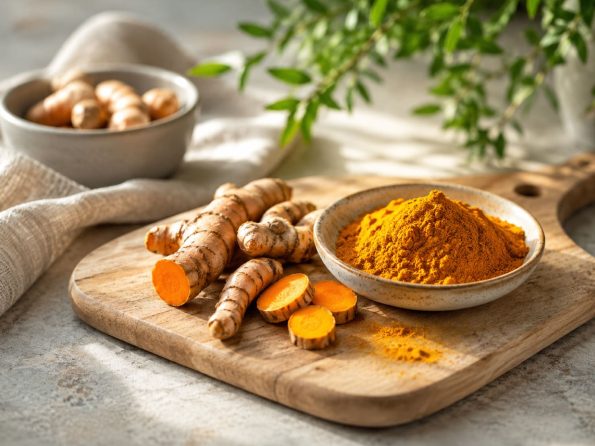
Turmeric[1] often called the “golden spice,” has been used for centuries in traditional Ayurvedic and Chinese medicine to support overall health and wellbeing. Turmeric contains a group of natural compounds called curcuminoids, with curcumin being the primary active ingredient responsible for many of its health benefits. Curcumin is widely recognised for its antioxidant, anti-inflammatory, and joint-supporting properties, making it one of the most extensively studied botanical ingredients today. Despite its impressive health benefits, curcumin has one major limitation, it is poorly absorbed by the body. Research shows that only a small amount of curcumin reaches the bloodstream when consumed on its own due to its low bioavailability. This is where BioPerine®, a patented black pepper extract containing piperine, plays an important role. By enhancing curcumin absorption, BioPerine® helps maximize the body’s ability to utilize curcumin, allowing you to experience its full health potential. Why Does Curcumin Have Poor Absorption? Although curcumin is the key active compound in turmeric, it has naturally low bioavailability, meaning only a small amount is absorbed and utilised by the body. According to WebMD[2], curcumin is rapidly metabolised and eliminated after consumption, limiting the amount that reaches the bloodstream. This naturally low bioavailability can make it challenging for the body to fully utilise curcumin’s potential benefits, highlighting the importance of a well-formulated curcumin supplement. Supplementing with Curcumin C3 Complex® and BioPerine® Curcumin C3 Complex® is a patented turmeric extract containing three key curcuminoids: curcumin, demethoxycurcumin, and bisdemethoxycurcumin. Together, these compounds provide antioxidant support, promote a healthy inflammatory response, and support overall wellbeing. Combined with BioPerine®, a patented black pepper extract containing piperine, the formulation is designed to improve curcuminoid uptake. Black pepper extract can significantly enhance curcumin absorption[3]. This combination supports joint health, cognitive function, antioxidant defence, and overall wellbeing. Health Benefits of Curcumin C3 Complex® and Bioperine® According to Johns Hopkins Medicine[4], curcumin, the primary active compound in turmeric, has antioxidant and anti-inflammatory properties that may support overall health and wellbeing. When combined with BioPerine® to enhance absorption, this synergistic formulation helps maximise the body’s ability to utilise curcuminoids, providing comprehensive health support. Anti-inflammatory effects Curcumin helps reduce inflammation and relieve arthritis and joint pain. Antioxidant protection Curcumin helps fight oxidative stress, protect cells, and support overall health. Cognitive support Curcumin may support memory, focus, and brain health while reducing oxidative stress. Joint health Supports joint mobility and flexibility while reducing pain and stiffness. Digestive health Curcumin helps reduce digestive discomfort and supports gut health. Why Should We Take Curcumin Supplements? While turmeric in food offers some health benefits, curcumin has low bioavailability[5], meaning only a small amount is absorbed by the body. Curcumin supplements provide a concentrated and more absorbable form, making it easier to get a consistent dose. Concentrated Dose Supplements provide higher levels of curcumin than typical turmeric powder. Enhanced Absorption BioPerine® helps improve curcumin absorption, allowing more to reach the bloodstream. Convenience Supplements provide a consistent, measured dose of curcumin. Targeted Benefits Curcumin supplements may support inflammation, joint health, and cognitive function. Turmeric is a powerful superfood, but to fully unlock its benefits, you need Curcumin C3 Complex® and Bioperine®. These ingredients work together to improve absorption, supporting inflammation reduction, brain health, and joint and digestive wellness. For a high-quality turmeric supplement, VitaHealth Turmercare is an excellent choice. Combining Curcumin C3 Complex® and Bioperine®, it ensures maximum absorption for optimal health benefits. Click to learn more. Frequently Asked Questions (FAQ) What is Curcumin C3 Complex®? Curcumin C3 Complex® is a patented turmeric extract standardised to contain the three major curcuminoids naturally found in turmeric: curcumin, demethoxycurcumin, and bisdemethoxycurcumin. These compounds work together to provide antioxidant and anti-inflammatory support. What is BioPerine®? BioPerine® is a patented black pepper extract containing piperine, a natural compound that helps improve the absorption and bioavailability of nutrients such as curcumin. Why is BioPerine® added to curcumin supplements? Curcumin is naturally difficult for the body to absorb. BioPerine® helps improve its bioavailability by enhancing intestinal absorption and slowing its breakdown, allowing more curcumin to be utilised by the body. Can I take curcumin every day? Yes. Curcumin supplements are commonly taken daily as part of a healthy lifestyle. Always follow the recommended dosage on the product label or consult your healthcare professional if you have any concerns. Is turmeric powder the same as Curcumin C3 Complex®? No. Turmeric powder is the whole spice used in cooking, while Curcumin C3 Complex® is a concentrated, standardised extract that provides a much higher level of active curcuminoids. Can I get enough curcumin from turmeric in food? Turmeric is a healthy spice, but it naturally contains only a small percentage of curcuminoids. A curcumin supplement provides a higher and more consistent number of active compounds than turmeric used in everyday cooking. Reference Turmeric – Vitahealth Connection. (2019). Vitahealthconnection.Com. https://vitahealthconnection.com/ingredients-a-z/turmeric/ (2019). Turmeric: Uses, Side Effects, Interactions, Dosage, and Warning. Webmd.Com. https://www.webmd.com/vitamins/ai/ingredientmono-662/turmeric Watson, K. (2017, July 12). Turmeric side effects: Health benefits and risks. Www.Medicalnewstoday.Com. https://www.medicalnewstoday.com/articles/318405 Turmeric Benefits. (2026, April 30). Hopkinsmedicine.Org. https://www.hopkinsmedicine.org/health/expert-qa/turmeric-benefits Wikipedia Contributors. (2019, September 7). Bioavailability. Wikipedia; Wikimedia Foundation. https://en.wikipedia.org/wiki/Bioavailability

Maintaining healthy cholesterol levels is essential for supporting long-term heart and cardiovascular health. While cholesterol is often viewed negatively, your body actually needs it to build cells, produce hormones, and support other important functions. According to the American Heart Association (AHA) [1], having high LDL (“bad”) cholesterol or low HDL (“good”) cholesterol can increase the risk of plaque buildup in the arteries, which may affect heart health over time. The good news is that healthy cholesterol levels can often be supported through a combination of a balanced diet, regular exercise, and targeted nutritional support. Understanding the key nutrients and adopting simple daily habits can help promote healthy cholesterol balance and support overall cardiovascular wellness. What Is Cholesterol? According to Cleveland Clinic [2], cholesterol is a waxy, fat-like substance that your body needs to build healthy cells, produce hormones, and make vitamin D. While cholesterol is essential for normal body functions, maintaining healthy cholesterol levels is important for supporting long-term heart and cardiovascular health. There are two main types of cholesterol: LDL (Low-Density Lipoprotein) – Often called “bad cholesterol,” high LDL levels can contribute to plaque buildup in the arteries, increasing the risk of heart disease and stroke. HDL (High-Density Lipoprotein) – Known as “good cholesterol,” HDL helps remove excess cholesterol from the bloodstream and carries it back to the liver for removal. Maintaining a healthy balance between LDL and HDL cholesterol is an important part of supporting overall cardiovascular health. Key Nutrients That Support Healthy Cholesterol Levels A combination of clinically studied nutrients can help support healthy cholesterol levels and overall cardiovascular health when combined with a balanced diet and healthy lifestyle. Omega-3 Fatty Acids According to Cleveland Clinic [3], omega-3 fatty acids are essential fats that support heart health and help maintain healthy blood lipid levels. Since the body cannot produce sufficient amounts on its own, omega-3s should be obtained through diet or supplementation. Omega-3 fatty acids are commonly obtained from fish oil (EPA & DHA) or plant-based sources such as flaxseed oil, which provides alpha-linolenic acid (ALA). How Do Omega-3 Fatty Acids Work? Omega-3 fatty acids help reduce the production of triglycerides in the liver while supporting healthy blood vessel function and a balanced inflammatory response. This helps maintain healthy blood lipid levels and supports cardiovascular health. Key Benefits of Omega-3 Supports healthy triglyceride levels Promotes cardiovascular health Helps maintain a healthy lipid balance Red Yeast Rice According to the National Center for Complementary and Integrative Health (NCCIH) [4] , red yeast rice is a traditional fermented ingredient that has been used for centuries to support healthy cholesterol levels. It naturally contains compounds known as monacolins, including monacolin K, which help support normal cholesterol metabolism. How Does Red Yeast Rice Work? Red yeast rice helps reduce the body’s natural production of cholesterol in the liver by supporting the regulation of cholesterol synthesis. This helps maintain healthy LDL (“bad”) cholesterol levels and supports overall lipid balance. Key Benefits of Red Yeast Rice Supports the maintenance of healthy cholesterol levels Helps maintain healthy LDL cholesterol Supports a healthy lipid balance Promotes cardiovascular health Plant Sterols According to WebMD [5], plant sterols are naturally occurring compounds found in fruits, vegetables, nuts, seeds, and whole grains. Their structure is like cholesterol, allowing them to compete with cholesterol for absorption in the digestive system. How Do Plant Sterols Work? Plant sterols compete with dietary cholesterol for absorption in the intestines, reducing the amount of cholesterol absorbed into the bloodstream. As a result, the body absorbs less cholesterol, helping maintain healthy LDL (“bad”) cholesterol levels. Key Benefits of Plant Sterols Supports healthy cholesterol levels Helps maintain healthy LDL cholesterol Promotes cardiovascular health Daily Habits for Better Cholesterol Incorporating simple daily habits can help support healthy cholesterol levels over time: Choose Healthier Fats Replacing saturated fats with unsaturated fats, such as those found in fish, nuts, and plant oils, supports heart health. Increase Fibre Intake Foods rich in soluble fibre, such as oats, fruits, and vegetables, help support cholesterol balance. Stay Physically Active Regular movement supports cardiovascular function and overall metabolic health. Maintain a Healthy Weight Weight management plays an important role in supporting cholesterol levels. Reduce Processed Foods Limiting high-fat and highly processed foods supports long-term heart health. Keep Your Cholesterol in Check Supporting healthy cholesterol levels starts with a balanced diet, regular exercise, and healthy lifestyle habits. To complement your daily routine, VitaHealth offers a range of scientifically formulated supplements designed to support heart health, healthy cholesterol levels, and overall cardiovascular wellness. Omega-3 for everyday heart, brain & eye health, healthy triglyceride levels Click to learn more Plant-based omega-3 support for heart, brain, eyes & skin Click to learn more Red yeast rice & plant sterols for healthy cholesterol management Click to learn more Frequently Asked Questions (FAQs) What are the benefits of omega-3 fatty acids for heart health? Omega-3 fatty acids help support healthy triglyceride levels, promote cardiovascular health, and maintain overall lipid balance. They also support healthy blood vessel function as part of a heart-healthy lifestyle. How do plant sterols help support cholesterol levels? Plant sterols have a structure similar to cholesterol. They compete with cholesterol for absorption in the intestines, helping reduce the amount of cholesterol absorbed into the bloodstream and supporting healthy LDL cholesterol levels. Is red yeast rice effective for supporting healthy cholesterol levels? Red yeast rice has been traditionally used to support healthy cholesterol levels. It naturally contains compounds called monacolins, which help support normal cholesterol metabolism when combined with a balanced diet and healthy lifestyle. What causes high cholesterol? High cholesterol can result from several factors, including: A diet high in saturated and trans fats Lack of physical activity Excess body weight Smoking Ageing Family history and genetics Can younger adults have high cholesterol? Yes. High cholesterol can affect people of all ages. Poor diet, lack of exercise, obesity, and family history can all contribute to elevated cholesterol levels, even in younger adults. Can I take fish oil together with VitaHealth Cholesterol Support supplements?

In today’s fast-paced world, stress has become an unavoidable part of everyday life. Whether it’s caused by work pressures, family responsibilities, financial concerns, or the constant demands of modern living, prolonged stress can take a toll on both mental and physical wellbeing. According to the World Health Organization (WHO) [1], stress can affect mood, sleep, concentration, and overall quality of life when it becomes chronic. When the body is under stress, it releases hormones such as cortisol[2] and adrenaline[3] to help us respond to challenges. According to Cleveland Clinic [4], while this “fight-or-flight” response is beneficial in short-term situations, prolonged or chronic stress can keep these hormones elevated, potentially contributing to anxiety, poor sleep quality, fatigue, difficulty concentrating, and a weakened immune system. Fortunately, nature provides effective ways to help the body better cope with stress. Two well-researched botanical ingredients, Ashwagandha and Lavender, have been used for centuries to promote relaxation, reduce stress, and support emotional wellbeing naturally. What is Ashwagandha? Ashwagandha (Withania somnifera) is one of the most well-known herbs in traditional Ayurvedic medicine, having been used for over 3,000 years to support overall health and wellbeing. Often referred to as “Indian ginseng” because of its rejuvenating properties, it is classified as an adaptogen—a natural herb that helps the body adapt to physical and mental stress. According to Healthline [5], Ashwagandha has been traditionally used to help relieve stress, increase energy levels, improve concentration, and support overall wellbeing. Native to India and Southeast Asia, the roots and leaves of the plant have been used for centuries in traditional Ayurvedic medicine. According to WebMD [6], Ashwagandha is commonly used to help manage stress, improve sleep quality, enhance physical performance, and support overall wellbeing. It also contains natural antioxidant and anti-inflammatory compounds that help protect the body against oxidative stress. What is Lavender? Lavender (Lavandula angustifolia) is a fragrant flowering herb from the mint family that has been used for centuries in traditional herbal medicine. Native to the Mediterranean region, it is widely recognised for its calming aroma and relaxing properties. According to Wikipedia [7], lavender has traditionally been used to promote relaxation, reduce stress and anxiety, and support better sleep. Today, it is available in various forms, including essential oils, herbal teas, dietary supplements, and aromatherapy products, making it a popular natural remedy for everyday stress management. Lavender contains naturally occurring compounds such as linalool and linalyl acetate, which are believed to contribute to its calming effects. Research suggests these compounds may interact with the nervous system to promote relaxation, helping reduce feelings of stress and anxiety while supporting emotional wellbeing and sleep quality. Incorporating VitaHealth Charge-UP® Ashwagandha+ into your daily wellness routine is a simple way to support stress management, relaxation, and better sleep. Formulated with ashwagandha and lavender, this herbal supplement helps promote a sense of calm and balance, making it easier to unwind in today’s busy, demanding world. Discover how VitaHealth Charge-UP® Ashwagandha+ can support your everyday wellbeing and help you feel more relaxed and balanced. Click to learn more. Health benefits of VitaHealth CHARGE-UP® Ashwagandha+ Supports calm and relaxed mind Provides nutritional support for healthy stress management Supports energy and vitality, helps relieve fatigue or tiredness Supports cognitive function Frequently Asked Questions (FAQ) What are the benefits of Ashwagandha and Lavender? Ashwagandha and Lavender work together to support stress relief and relaxation. Ashwagandha helps the body adapt to physical and mental stress, while Lavender promotes calmness and relaxation. Together, they support better sleep, a balanced mood, and overall emotional wellbeing. Can Ashwagandha and Lavender help improve sleep? Yes. Ashwagandha helps support stress management, while Lavender promotes relaxation and calmness. Together, they support better sleep quality and more restful sleep. Can I take Ashwagandha and Lavender every day? Yes. Ashwagandha and Lavender can be taken as daily supplements to support stress management and emotional wellbeing. Follow the recommended dosage on the product label, or consult a healthcare professional if you have any concerns. Can Ashwagandha reduce cortisol levels? Yes. Ashwagandha has been studied for its potential to support healthy cortisol levels during periods of stress. By supporting a balanced stress response, it may help promote overall wellbeing. When is the best time to take Ashwagandha and Lavender? Ashwagandha and Lavender can be taken at any time of day. Take them consistently as directed, either during the day to support stress management or in the evening to promote relaxation and restful sleep. Are Ashwagandha and Lavender safe for long-term use? Ashwagandha and Lavender support long-term wellness when taken as directed. Consult a healthcare professional before use if pregnant, breastfeeding, taking medication, or managing a medical condition. Reference WHO. (2024, September 2). Mental Health at Work. World Health Organization. https://www.who.int/news-room/fact-sheets/detail/mental-health-at-work Cleveland Clinic. (2021). Cortisol: What it is, function, symptoms & levels. Cleveland Clinic; Cleveland Clinic. https://my.clevelandclinic.org/health/articles/22187-cortisol Cleveland Clinic. (2022, May 19). Adrenaline. Cleveland Clinic; Cleveland Clinic. https://my.clevelandclinic.org/health/body/23038-adrenaline Cleveland Clinic. (2024). Stress. Cleveland Clinic. https://my.clevelandclinic.org/health/diseases/11874-stress Kubala, J. (2019, November 3). Health Benefits of Ashwagandha, Based on Research. Healthline; Healthline Media. https://www.healthline.com/nutrition/ashwagandha?utm_source=chatgpt.com Ashwagandha: Uses, Side Effects, Interactions, Pictures, Warnings & Dosing – WebMD. (2025). Webmd.Com. https://www.webmd.com/vitamins-supplements/ashwagandha Wikipedia Contributors. (2019, November 14). Lavandula. Wikipedia; Wikimedia Foundation. https://en.wikipedia.org/wiki/Lavandula

In today’s digital world, our eyes are constantly exposed to screens, blue light and environmental stress. From office work and online meetings to late-night scrolling, modern lifestyles can leave eyes feeling dry, tired and strained. Choosing the right eye supplement can help support visual comfort and long-term eye health but not all formulas are created equal. So what ingredients should you really look for? 1. Lutein[1] & Zeaxanthin[8] These carotenoids are found in the macula and help filter blue light while supporting visual clarity. They are considered essential ingredients in quality eye supplements. 2. Bilberry [5] Extract Rich in anthocyanins[2], bilberry supports healthy microcirculation in the eyes and helps relieve tired-eye sensation. 3. Gou Qi Zi (Goji Berries/ Wolfberries) Traditionally used in Chinese wellness practices, Gouqizi is rich in antioxidants and naturally contains zeaxanthin. It helps nourish the eyes and support overall eye vitality, particularly for individuals experiencing dryness and fatigue. 4. Vitamin A[6] & Zinc[7] Vitamin A supports normal vision, especially in low-light conditions, while zinc plays a role in maintaining retinal health. 5. Antioxidant Vitamins C & E These help protect eye cells from oxidative stress caused by UV exposure and environmental factors. Who Should Consider Eye Supplements? You may benefit from eye support if you: Spend more than 6–8 hours daily on screens Experience frequent eye dryness or discomfort Drive long hours Work in air-conditioned environments Are above 40 and concerned about long-term eye health Even younger adults today are increasingly exposed to digital eye strain[3]. Supporting Your Eyes Beyond Supplements While supplements can provide nutritional support, good eye habits are equally important: Follow the 20-20-20 rule[4] Maintain good posture while working Adjust screen brightness Ensure adequate sleep Stay hydrated A holistic approach combining movement, posture correction and nutrition offers the best long-term support. Protect Your Eyes with VitaHealth Eye Care range Advanced Eyecare Eye-Pro Key benefits Comprehensive support for overall eye health Targeted support for digital eye strain Ideal for Adults 40+ or those seeking preventive eye care Heavy screen users, PMEBs or students Whether you are looking for long-term visual protection or targeted support against screen fatigue, VitaHealth offers solutions designed for modern lifestyles. Click to learn more. Frequently Asked Questions (FAQ) How long does it take for eye supplements to work? Results vary depending on individual lifestyle and eye concerns. Consistent daily supplementation is generally recommended for ongoing nutritional support. Can young adults take eye supplements? Yes. With increasing screen exposure, younger adults may benefit from eye supplements designed to support digital eye strain and visual comfort. Do eye supplements replace glasses or contact lenses? No. Eye supplements support overall eye health but do not replace corrective lenses or professional eye care. Is it safe to take eye supplements daily? When taken as directed and purchased from reputable brands, eye supplements are generally suitable for daily, long-term use. What is the difference between Advanced Eyecare and Eye-Pro? VitaHealth Advanced Eyecare provides comprehensive antioxidant and macular support for overall eye health, while VitaHealth Eye-Pro focuses on relieving digital eye strain and supporting visual endurance for heavy screen users. Can I take VitaHealth Advanced Eyecare and Eye-Pro together? Yes, both supplements can generally be taken together as they serve different functions. References: 1. Sharon O. (31 July, 2024). Lutein and Zeaxanthin: Benefits, Dosage and Food Sources. Retrieved from healthline: https://www.healthline.com/nutrition/lutein-and-zeaxanthin 2. Cleveland Clinic. (2022). Got anthocyanins? Add More Purple to Your plate! In Cleveland Clinic. https://health.clevelandclinic.org/anthocyanins 3. Mayo Clinic Staff (2 July, 2024). Eyestrain. Retrieved from Mayo Clinic: https://www.mayoclinic.org/diseases-conditions/eyestrain/symptoms-causes/syc-20372397 4. Ashley M. (2 July, 2025). How Does the 20-20-20 Rule Prevent Eyestrain. Retrieved from healthline: https://www.healthline.com/health/eye-health/20-20-20-rule 5. Bilberry – Vitahealth Connection. (2022). Vitahealthconnection.Com. https://vitahealthconnection.com/ingredients-a-z/bilberry-2/ 6. Vitamin A – Vitahealth Connection. (2018). Vitahealthconnection.Com. https://vitahealthconnection.com/ingredients-a-z/vitamin-a/ 7. Zinc – Vitahealth Connection. (2018). Vitahealthconnection.Com. https://vitahealthconnection.com/ingredients-a-z/zinc/ 8. Zeaxanthin – Vitahealth Connection. (2016). Vitahealthconnection.Com. https://vitahealthconnection.com/ingredients-a-z/zeaxanthin/
