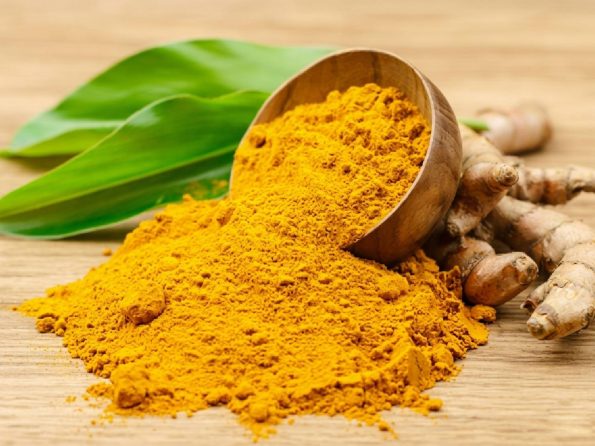
Turmeric and curcumin are often mentioned together in discussions about natural health supplements, but they are not the same. While both are widely recognized for their health benefits, understanding their key differences can help you select the right option for your individual health goals. Turmeric vs Curcumin What is Turmeric? Turmeric1 is a bright yellow spice derived from the Curcuma longa plant, commonly used in cooking and traditional medicine. It has been utilized for centuries due to its powerful medicinal properties. Turmeric contains over 100 bioactive compounds that support various aspects of overall health. What is Curcumin? Curcumin2 is the active compound found in turmeric. It is responsible for turmeric’s characteristic yellow color and is largely responsible for many of its medicinal benefits, particularly its anti-inflammatory and antioxidant effects. Unlike turmeric, which is consumed in its whole form, curcumin is often isolated and sold as a concentrated supplement. Key Benefits of Turmeric: Supports the body’s natural inflammatory response Promotes healthy digestion Rich in antioxidants, which help neutralize free radicals Supports skin and joint health Key Benefits of Curcumin: Strong anti-inflammatory effects Potent antioxidant properties Supports heart and brain health When used together, turmeric and curcumin complement each other to maximize health benefits and support overall well-being. DID YOU KNOW? Turmeric and curcumin are naturally poorly absorbed by the body3 which is why patented or enhanced formulations are needed to maximise their benefits. VitaHealth Turmeric Series: Clinically Backed for Better Absorption, Better Results. Turmercare Formulated with patented turmeric extract, Curcumin C3 Complex® Added with Bioperine® black pepper extract which can enhance curcumin bioavailability and absorption in the body by 200%4 TurmerFlex & TurmerLiv Formulated with patented turmeric extract, Hydrocurc5, which uses LipiSperse® technology, allowing curcumin to freely disperse in water for maximum absorption in the body Learn more about VitaHealth turmeric series. Frequently Asked Questions (FAQs) What’s the main difference between turmeric and curcumin? Turmeric is the whole spice, while curcumin is the active compound within turmeric responsible for its anti-inflammatory and antioxidant effects. Curcumin constitutes only a small percentage of turmeric, with the rest of the root containing over 100 other beneficial compounds. Is it safe to consume turmeric every day? For most individuals, turmeric is safe to consume daily, whether through food or supplements. It is generally gentle on the digestive system, but high doses or concentrated curcumin supplements may cause digestive discomfort. It is recommended to consult with a healthcare professional before taking high doses of curcumin. How can the absorption of turmeric be enhanced? Turmeric is best absorbed when taken with black pepper extract (piperine) or fats, which enhance its bioavailability. Many VitaHealth Turmeric supplements are designed with optimal absorption in mind, ensuring the full benefits of turmeric are available with each dose. Is turmeric safe for people with sensitive stomachs? Turmeric is generally well-tolerated, even for people with sensitive stomachs. It can aid in digestion and soothe digestive discomfort. However, high doses of curcumin or concentrated turmeric supplements might cause mild gastrointestinal discomfort in some individuals. Starting with lower doses can help assess tolerance. How long does it take for turmeric to show results? The time it takes for turmeric to show noticeable effects varies depending on the individual and the specific health concern. For general wellness and inflammation support, results may be seen within a few weeks of consistent use. For more targeted conditions like joint pain or skin health, it may take a few months of daily use to experience significant benefits. References Turmeric – Vitahealth Connection. (2019). Vitahealthconnection.Com. https://vitahealthconnection.com/ingredients-a-z/turmeric/ WebMd. (n.d.). Retrieved from https://www.webmd.com/vitamins/ai/ingredientmono-662/turmeric Susan J Hewlings, D. S. (2022). Curcumin: A Review of Its’ Effects on Human Health. Foods. Lopresti, A. L. (2018). The Problem of Curcumin and Its Bioavailability: Could Its Gastrointestinal Influence Contribute to Its Overall Health-Enhancing Effects? Advances in Nutrition, 41-50. Hydrocurc. (2023). Retrieved from https://www.hydrocurc.com/

With so many brands on the market, choosing the right health supplements in Singapore can be overwhelming. Here’s how to find one you can trust — and get the most out of your wellness routine. 1. Check for Trusted Brands Choose established, reputable brands with a proven safety record and transparent ingredient lists. Trusted names like VitaHealth prioritise science-backed formulations and strict quality control, giving you peace of mind with every capsule. 2. Look for Clear Labelling A quality supplement should state all ingredients, dosage, expiry date, and batch number clearly on the label. Avoid products with vague “proprietary blends” or miracle claims like “cures disease” — these are not permitted by Singapore’s Health Sciences Authority (HSA). 3. Choose Products Listed on HSA’s Voluntary Notification System (VNS) Look for supplements that are listed on HSA’s Voluntary Notification System (VNS). This system allows companies to proactively declare product information to HSA, promoting transparency and consumer confidence. Products listed on the VNS have undergone checks to ensure accurate labelling and compliance with HSA’s safety standards. VitaHealth proudly lists its products on the HSA VNS, reaffirming our commitment to quality, transparency, and consumer trust. Check out the official HSA VNS list here. 4. Buy from Reliable Sources Purchase from reputable pharmacies and official online stores. Avoid unverified sellers on social media or overseas websites that may offer counterfeit or unsafe products. 5. Match to Your Needs Pick supplements that meet your personal goals — whether it’s for energy, immunity, bone health, or mental wellness. Consult a healthcare professional if you’re on medication, pregnant, or have specific health concerns. 6. Store Properly Heat and sunlight can degrade supplement quality. Always store your products in a cool, dry place and use them before the expiry date for best efficacy. Your Health, Your Choice At VitaHealth, we’re committed to helping you live a Healthy Life, Happy Vibes with premium, research-driven supplements that support every stage of your wellness journey. Explore VitaHealth’s range of supplements trusted across Singapore and beyond. Frequently Asked Questions (FAQs) Are health supplements regulated by HSA in Singapore? Yes, the Health Sciences Authority (HSA) oversees the safety and labelling of health supplements in Singapore. However, supplements are not pre-approved before sale — companies are responsible for ensuring product safety and compliance. What is the HSA Voluntary Notification System (VNS)? The VNS allows companies to voluntarily declare product and ingredient information to HSA. Products listed on the VNS have been reviewed for proper labelling and compliance, promoting transparency and consumer trust. How do I know if a supplement is safe to consume? Check that the product is from a reputable brand, listed on the HSA VNS, and sold by trusted pharmacies or official e-commerce stores. Avoid supplements making unrealistic claims like “instant cure” or “miracle results.” Can I take multiple supplements together? It depends on your needs. Some vitamins and minerals interact with each other or with medications. Always consult a doctor, dietitian, or pharmacist before combining supplements. Why should I choose VitaHealth supplements? VitaHealth offers science-backed, premium-quality formulations made under strict quality standards. Many VitaHealth products are listed on HSA’s Voluntary Notification System, ensuring transparency, safety, and consumer confidence.

Fats often get a bad reputation, but certain types, specifically Omega-3, Omega-6, Omega-7, and Omega-9 fatty acids, are essential for overall health. These healthy fats are key to maintaining proper bodily functions, supporting heart health, brain function, and even skin health. But with so many different types of fats, it can be confusing to know which ones to prioritize in your diet. In this article, we will explore the health benefits of Omega-3, Omega-6, Omega-7, and Omega-9 fatty acids, helping you understand which fats are truly essential for your well-being. What Is Omega-3, 6, 7, and 9 Fatty Acids? Fatty acids are vital for energy production, cell structure, and hormone regulation. The four main types of fatty acids, Omega-3, Omega-6, Omega-7, and Omega-9, each serve unique purposes in the body. Here’s a breakdown of their roles: 1. Omega-3 Fatty Acids1 Omega-3 fatty acids are polyunsaturated fats that are considered essential because the body cannot produce them on its own. This means we must obtain them through our diet or supplements. Omega-3s are best known for their benefits to heart health, brain function, and their anti-inflammatory properties. Health benefits of Omega-3: Heart Health Omega-3s help reduce the risk of heart disease by lowering blood pressure, triglycerides, and bad cholesterol levels. Brain Function Omega-3s are crucial for brain development and function, supporting cognitive health in infants, children, and aging adults. Anti-Inflammatory Effects Omega-3s can reduce chronic inflammation, lowering the risk of various conditions like arthritis and autoimmune diseases. 2. Omega-6 Fatty Acids2 Omega-6 fatty acids are also polyunsaturated fats, but they are consumed in excess in many modern diets. While Omega-6s are necessary for health, an imbalance between Omega-6 and Omega-3 intake can lead to inflammation and other health problems. Health benefits of Omega-6: Skin Health Omega-6s help maintain the skin’s structure and barrier function, promoting hydration and healthy skin. Energy Production Omega-6s are involved in cellular energy production and help maintain healthy cellular structures. Inflammation Regulation3 Omega-6s are involved in inflammation processes in the body. However, excessive intake can lead to chronic inflammation, especially if not balanced with Omega-3s. 3. Omega-7 Fatty Acids Omega-7 fatty acids are monounsaturated fats, less commonly discussed than Omega-3 or Omega-6, but still offer important health benefits. While not essential, as the body can produce them, Omega-7s help support metabolic health and skin hydration4. Health benefits of Omega-7: Metabolic Health Omega-7s help regulate fat metabolism, improve insulin sensitivity, and may support healthy blood sugar levels. Skin Hydration Omega-7s contribute to skin hydration and moisture retention, promoting a healthy complexion. Anti-Inflammatory Effects Omega-7s help reduce inflammation, which may lower the risk of inflammation-related diseases like metabolic syndrome. 4. Omega-9 Fatty Acids Omega-9 fatty acids are monounsaturated fats that the body can produce on its own, which makes them non-essential. However, they still offer notable health benefits, particularly for cardiovascular health and blood sugar regulation. Health benefits of Omega-9: Heart Health Omega-9s can help lower LDL (bad cholesterol) and raise HDL (good cholesterol), reducing the risk of heart disease. Blood Sugar Regulation Omega-9s improve insulin sensitivity, helping regulate blood sugar levels, which is particularly important for individuals with or at risk of type 2 diabetes. Anti-Inflammatory Properties5 Omega-9s help manage inflammation, contributing to overall health and wellness. Choosing the Right Omega Fatty Acids for Your Health Incorporating the right balance of Omega-3, Omega-6, Omega-7, and Omega-9 fatty acids into your diet can support optimal health. It’s important to be mindful of your fat intake to ensure you’re getting a good mix of these essential fats. Support your health with the VitaHealth Omega range, a convenient and effective way to ensure you’re getting the right balance of Omega-3, Omega-6, Omega-7, and Omega-9 fatty acids. Click to learn more. VitaHealth Salmon Fish Oil Rich in Omega-3 EPA & DHA VitaHealth VitaEPA 1000mg Odourless Fish Oil Rich in Omega-3 EPA & DHA VitaHealth Omega 3,6,9 Rich in Omega-3 ALA, Omega-6 LA & Omage-9 OA VitaHealth Evening Primrose Oil Omega-6 GLA & LA VitaHealth Omega 3,6,7,9 Sea Buckthorn+ Rich in Omega-3 EPA, DHA & ALA, Omega-6 LA, Omage-7 PA & Omage-9 OA Frequently Asked Questions (FAQs) Can I get enough omega fatty acids from food alone? It’s possible, but not always easy. Many people don’t consume fatty fish, nuts, or seeds consistently, and modern diets often lack variety. This is why some people choose supplements to help meet their daily intake. Is it safe to take omega supplements every day? For most healthy adults, omega supplements are generally safe when taken as directed. However, those who are pregnant, breastfeeding, on medication, or have medical conditions should consult a healthcare professional. Who may benefit most from omega supplements? People who may benefit include those who: Rarely eat fish or omega-rich foods Have busy or unbalanced diets Are older adults Are looking to support overall wellness as they age Can I take omega supplements together with other supplements? Omega supplements are commonly taken alongside other wellness supplements. To avoid excessive intake or interactions, it’s best to follow recommended dosages and seek professional advice if unsure. Are omega supplements suitable for long-term use? Omega supplements are often used as part of a long-term wellness routine. Consistency is generally more important than short-term use, provided intake stays within recommended levels. References R. Morgan Griffin, S. G. (14 Oct, 2025). What Are Omega-3 Fatty Acids? Retrieved from WebMd: https://www.webmd.com/healthy-aging/omega-3-fatty-acids-fact-sheet Omega-6 Fatty Acids – Uses, Side Effects, and More. (n.d.). Retrieved from WebMd: https://www.webmd.com/vitamins/ai/ingredientmono-496/omega-6-fatty-acids Jacqueline K Innes, P. C. (2018). Omega-6 fatty acids and inflammation. Prostaglandins Leukot Essent Fatty Acids, 41-48. Young Gue Koh, J. S. (2023). Efficacy and safety of oral palmitoleic acid supplementation for skin barrier improvement: A 12-week, randomized, double-blinded, placebo-controlled study. Heliyon. Mohamed A Farag, M. Z. (2022). Omega-9 fatty acids: potential roles in inflammation and cancer management. J Genet Eng Biotechnol.

Singapore’s hot and sunny climate means our skin is exposed to UV rays almost every day. Prolonged sun exposure, combined with environmental stressors such as pollution and a fast-paced lifestyle, can increase oxidative stress1 in the body and stimulate excess melanin production. Over time, this may lead to dull-looking skin, uneven tone, and dark spots. While topical skincare plays an important role, true skin whitening and brightness are also influenced by internal factors such as antioxidant levels and overall cellular health. One ingredient widely recognised for its role in supporting skin whitening and clarity from within is L-glutathione[4]. What Is L-Glutathione? L-glutathione2 is a powerful antioxidant naturally produced by the body. It is composed of three amino acids — glutamine, cysteine, and glycine — and is found in every cell. Often referred to as the body’s master antioxidant, L-glutathione plays an essential role in protecting cells from oxidative stress, supporting detoxification processes, and maintaining overall skin and body wellness. Understanding Skin Whitening from Within Skin colour is largely determined by melanin, the pigment responsible for skin tone. Factors such as UV exposure, pollution, hormonal changes, stress, and ageing can stimulate excess melanin production, leading to uneven tone, dark spots, and dull-looking skin. Supporting skin whitening from within focuses on: Managing oxidative stress Supporting balanced melanin production Promoting healthy skin renewal This is where L-glutathione plays an important role. How L-Glutathione Supports Skin Whitening? 1) Helps Regulate Melanin Production3 L-glutathione supports skin whitening by influencing melanin synthesis in the skin. It helps shift melanin production towards lighter pigments, supporting a brighter and more even-looking complexion over time. 2) Provides Antioxidant Protection Oxidative stress can trigger excess melanin formation and accelerate skin dullness. As a potent antioxidant, L-glutathione helps neutralise free radicals, supporting healthier skin cells and clearer-looking skin. 3) Supports Skin Clarity and Radiance By reducing oxidative damage and supporting detoxification, L-glutathione helps improve overall skin clarity, allowing skin to appear fresher, smoother, and more luminous. 4) Helps Support Skin Renewal Healthy antioxidant levels are important for normal skin repair and renewal processes. This supports smoother skin texture and a more refined appearance, contributing to a whitening and brightening effect. L-Glutathione vs Topical Whitening Products While topical whitening products work on the surface of the skin, L-glutathione works from within, supporting skin health at a cellular level. This inside-out approach helps address the root causes of uneven skin tone rather than masking them temporarily. For best results, many people combine: Oral antioxidant support A consistent skincare routine Sun protection Healthy lifestyle habits Why L-Glutathione Levels May Decline? The body’s natural production of L-glutathione can decrease due to: Ageing Stress and lack of sleep Environmental pollution Poor diet Supplementation can help support healthy glutathione levels, especially for individuals exposed to high oxidative stress or seeking brighter, clearer-looking skin. Glow From Whithin VitaHealth L-Glutathione Plus contains patented glutathione from Japan (Setria®) and 6 other skin rejuvenating for fairer and radiant skin. Lightens pigmentation Protects the skin from UV exposure Supports glowing and youthful skin Learn more about VitaHealth L-Glutathione Plus. Frequently Asked Questions (FAQs) How does L-glutathione help with skin whitening? L-glutathione supports skin whitening by helping regulate melanin production and reducing oxidative stress in the body. By supporting a balance in pigment formation and protecting skin cells from free radical damage, it helps promote a brighter and more even-looking complexion over time. How long does L-glutathione take to show results on the skin? Results vary from person to person. Most people may notice improvements in skin brightness and clarity after 4–8 weeks of consistent use, depending on lifestyle factors, sun exposure, and overall skin health. Is L-glutathione safe for daily use? L-glutathione is naturally produced by the body and is generally considered safe when taken at recommended dosages. It is best to follow the product’s directions and consult a healthcare professional if you are pregnant, breastfeeding, or have medical conditions. Can L-glutathione permanently whiten the skin? L-glutathione does not permanently change your natural skin colour. Instead, it supports healthier skin tone, brightness, and clarity by managing oxidative stress and supporting balanced melanin production. Is oral L-glutathione better than topical products? Oral L-glutathione works from within, supporting skin health at a cellular level, while topical products act on the surface. Many people find that combining internal antioxidant support with a good skincare routine and sun protection delivers better overall results. Can I take L-glutathione with vitamin C? Yes. Vitamin C is often taken together with L-glutathione as it helps support antioxidant activity and may assist in maintaining glutathione levels in the body. Does L-glutathione have other benefits besides skin whitening? Yes. Beyond supporting skin brightness, L-glutathione plays a role in antioxidant defence, detoxification processes, and overall cellular health. References Concepcion Parrado, S. M.-S.-D. (2019). Environmental Stressors on Skin Aging. Mechanistic Insights. Front Pharmacol. McIntyre, C. (23 Sep, 2025). Glutathione – Uses, Side Effects, and More. Retrieved from WebMd: https://www.webmd.com/vitamins-supplements/glutathione Taif F Alzahrani, S. M. (2025). Exploring the Safety and Efficacy of Glutathione Supplementation for Skin Lightening: A Narrative Review. Cureus . Glutathione – Vitahealth Connection. (2017). Vitahealthconnection.Com. https://vitahealthconnection.com/ingredients-a-z/glutathione/

Joint health is essential for maintaining mobility, flexibility, and quality of life — whether you’re an athlete, a fitness enthusiast, or simply striving to stay active as you age. Over time, our joints experience natural wear and tear, leading to stiffness, discomfort, and reduced mobility. Two of the most effective and widely researched nutrients for joint care are Glucosamine and MSM (Methylsulfonylmethane). These natural compounds help maintain cartilage integrity, ease inflammation, and promote smoother joint movement — offering a natural approach to long-term joint wellness. What Are Glucosamine and MSM? Glucosamine The Building Block of Healthy Cartilage Glucosamine1 is an amino sugar naturally found in the cartilage surrounding our joints. It plays a vital role in maintaining cartilage elasticity and preventing its breakdown. However, the body’s natural production of glucosamine decreases with age, leading to joint discomfort and stiffness. Key Benefits of Glucosamine: Supports cartilage regeneration and repair Promotes joint lubrication for smoother movement Helps reduce age-related joint stiffness and discomfort MSM The Natural Anti-Inflammatory Agent MSM2 (Methylsulfonylmethane) is an organic sulfur compound known for its anti-inflammatory and antioxidant properties. It supports the formation of connective tissue, reduces muscle soreness, and helps the body manage oxidative stress that contributes to joint degeneration. Key Benefits of MSM: Reduces inflammation and joint pain Supports collagen and connective tissue production Promotes recovery and mobility after physical activity How Glucosamine and MSM Work Together Glucosamine and MSM work together to provide comprehensive joint support3 by addressing both structure and comfort. Glucosamine helps rebuild and maintain healthy cartilage, the cushioning tissue that allows smooth, flexible movement. MSM complements this by providing anti-inflammatory and antioxidant support, helping to relieve joint pain, stiffness, and swelling caused by daily wear and tear. When combined, Glucosamine and MSM promote stronger joints, improved flexibility, and long-term comfort — making them one of the most effective nutrient pairs for natural joint care and mobility support. Support Your Joints with VitaHealth VitaHealth offers a comprehensive range of joint health supplements designed to support mobility, comfort, and flexibility at every age. Click to learn more. Arthrozan™ Glucosamine 1500mg Glucosamine MSM+Curmin Knee Support Frequently Asked Questions (FAQ) How long does it take to experience results from Glucosamine and MSM? Most users notice improved joint comfort and flexibility within 4–8 weeks of consistent supplementation, depending on individual factors such as age, lifestyle, and joint condition. Can Glucosamine and MSM be taken together? Yes. They work synergistically to promote joint health — Glucosamine supports cartilage structure while MSM reduces inflammation and enhances absorption. Are Glucosamine and MSM safe for long-term use? Both ingredients are generally well-tolerated and safe for long-term use when taken as directed. However, individuals with shellfish allergies should choose vegetarian formulas such as VitaHealth Glucosamine 1500mg or Glucosamine MSM+Curmin. Who can benefit from Glucosamine and MSM supplements? Anyone experiencing joint pain, stiffness, or reduced mobility — including athletes, older adults, and those with physically demanding lifestyles — can benefit from these supplements. Can I combine Glucosamine and MSM with other supplements? Yes, they can be safely combined with most vitamins and minerals. Always consult your healthcare provider if you are taking prescription medication or have a medical condition. Can I take Glucosamine and MSM if I have arthritis? Yes. Glucosamine and MSM are often used as complementary support for individuals with osteoarthritis or mild joint degeneration. They help reduce stiffness, support cartilage health, and promote comfort. However, always consult your healthcare provider before starting any supplement regimen. Are there any side effects of taking Glucosamine or MSM? Both Glucosamine and MSM are generally well tolerated. Some individuals may experience mild digestive discomfort, bloating, or nausea, which usually subside with continued use or when taken with meals. Always follow the recommended dosage. Can vegetarians or vegans take Glucosamine supplements? Traditional glucosamine is derived from shellfish, but vegan-friendly or shellfish-free alternatives made from corn or fungi such as VitaHealth Glucosamine 1500mg or Glucosamine MSM+Curmin are available. What time of day should I take Glucosamine and MSM? These can be taken at any time of the day. However, it’s best to take them with meals to improve absorption and minimize any potential stomach discomfort. References Staff, M. C. (21 May, 2025). https://www.mayoclinic.org/drugs-supplements-glucosamine/art-20362874. Retrieved from Mayo Clinic: https://www.mayoclinic.org/drugs-supplements-glucosamine/art-20362874 McIntyre, C. (30 July, 2025). Methylsulfonylmethane (MSM) – Uses, Side Effects, and More. Retrieved from Web MD: https://www.webmd.com/vitamins-supplements/methylsulfonylmethane-msm S. Suman, P. K. (2025). Glucosamine, Chondroitin and MSM: A Complementary Approach to Managing OA and RA. World Journal of Advanced Research and Reviews, 1249-1258

Workplace stress and burnout are becoming increasingly common in Singapore. According to a survey by Telus Health involving 1,000 workers in Singapore, 47% reported feeling mentally or physically exhausted at work.[1] Long working hours, tight deadlines, and digital overload are taking a toll on employees’ mental health, sleep quality, and overall productivity. While occasional stress[2] can sharpen focus, chronic stress and burnout lead to fatigue, irritability, poor concentration, and health issues. For professionals seeking to manage stress naturally, the right supplements for workplace stress can help build resilience and restore balance. What Is Workplace Burnout? Stress A short-term response where the body produces cortisol and adrenaline. Chronic Stress Prolonged stress that disrupts sleep, mood, and immunity. Burnout A state of mental, emotional, and physical exhaustion often linked to workplace pressure. Signs of burnout include: Constant fatigue or lack of energy Trouble sleeping or staying asleep Mood swings and poor motivation Digestive discomfort (gut–brain connection) Frequent colds and low immunity Best Supplements for Stress and Burnout 1. Ashwagandha for Stress Relief Ashwagandha[3] is an adaptogen that helps the body adapt to stress naturally. Studies show it supports: Lower cortisol levels Reduced anxiety and worry Better sleep and improved concentration VitaHealth CHARGE-UP® ASHWAGANDHA+ combines clinically researched KSM-66® Ashwagandha with Lavender to support cortisol balance, ease anxiety, and promote restful sleep. Learn more. 2. Magnesium for Relaxation and Sleep Magnesium [4] is essential for the nervous system and is often called the “relaxation mineral.” A lack of magnesium can worsen stress and sleep issues. Benefits include: Relaxed muscles and calmer mood Improved sleep quality Reduced tension and fatigue VitaHealth CHARGE-UP® MAG-EASE provides highly absorbable magnesium glycinate, L-theanine, vitamin B2 and coenzyme Q10 to relax muscles, calm the mind, and improve sleep quality. Learn more. 3. B-Complex Vitamins for Energy and Focus B vitamins are crucial for converting food into energy and supporting brain function. For busy professionals, B-complex helps: Fight tiredness and fatigue Support healthy mood and focus Maintain brain and nervous system health VitaHealth Vegetarian B-Complex provides a blend of essential B vitamins and minerals to support energy production, enhance mental clarity, and maintain nervous system health, helping you stay sharp and energised all day long. Learn more. 4. Probiotics for Gut-Brain Balance Stress affects digestion, and an unhealthy gut microbiome may worsen anxiety and mood. Probiotics[5] support: Healthy gut flora balance Reduced bloating and digestive stress Better mood and mental wellness VitaHealth Pre+Pro Biotics contains 7 probiotic strains and Inulin to restore gut flora and relieve digestive discomforts while supporting mood and immunity. Learn more. Shop now at Guardian, Watsons, Unity, leading departmental stores, hospitals and Chinese medical halls island wide, as well as on major online platforms. Frequently Asked Questions (FAQ) What is the difference between stress and burnout? Stress is usually a short-term reaction to pressure, while burnout is a chronic state of exhaustion that affects mental, physical, and emotional health. Burnout often develops after prolonged, unmanaged stress. How can I manage workplace stress naturally? Natural strategies include regular exercise, balanced nutrition, mindfulness practices like meditation, limiting screen time, and supporting the body with stress-relief supplements such as ashwagandha, magnesium, and B-vitamins. Can burnout be reversed? Yes. With early intervention such as improving sleep, reducing workload, practicing mindfulness, and supporting the body with proper nutrition, many individuals recover from burnout. However, prolonged burnout may require professional medical help. What supplements are best for improving sleep quality? Magnesium, ashwagandha, and L-theanine are widely recommended to calm the nervous system and support restful sleep. Melatonin may also help improve both sleep onset and overall sleep quality. Can probiotics really help with stress and mood? Yes. The gut and brain are closely connected through the gut–brain axis. Probiotics help restore healthy gut flora, which can improve digestion, reduce bloating, and support better mood and mental wellness. What vitamins are good for mental clarity and focus at work? B-complex vitamins play a key role in energy metabolism and brain function. They help reduce fatigue, support concentration, and maintain nervous system health. Are natural stress relief supplements safe to take every day? Most natural supplements are safe for daily use when taken at the recommended dosage. Always read product labels and consult a healthcare professional if you are on medication or have chronic health conditions. How long does it take to see results from supplements for stress? Results vary by individual and supplement. Some people notice improvements in sleep and mood within 2–4 weeks, while others may take 6–8 weeks of consistent use. What lifestyle changes should I combine with supplements for burnout recovery? To recover from burnout, pair supplements with healthy habits such as regular exercise, balanced meals, digital detox routines, proper sleep hygiene, and seeking professional support if needed. References Cheng, I. (2024, June 13). Exhausted from work? Nearly half of workers in Singapore polled feel the same. The Straits Times. https://www.straitstimes.com/singapore/exhausted-from-too-much-work-half-of-workers-in-singapore-feel-the-same-survey World Health Organization. (2023, February 21). Stress. World Health Organization. https://www.who.int/news-room/questions-and-answers/item/stress Kubala, J. (2022, January 7). 9 Proven Health Benefits of Ashwagandha. Healthline. https://www.healthline.com/nutrition/ashwagandha Magnesium – Vitahealth Connection. (2022). Vitahealthconnection.Com. https://vitahealthconnection.com/ingredients-a-z/magnesium/ Probiotics – Vitahealth Connection. (2016). Vitahealthconnection.Com. https://vitahealthconnection.com/ingredients-a-z/probiotics/

What is PCOS? Polycystic Ovary Syndrome (PCOS)[1] is one of the most common hormonal conditions affecting women of reproductive age. It happens when the body produces higher-than-normal levels of male hormones (androgens), disrupting the balance of female hormones. This can affect ovulation, menstrual cycles, skin, hair, and even mood. What Causes PCOS? The exact cause of PCOS isn’t fully known, but several factors are often linked to it: Hormonal imbalance[2] High androgen levels can interfere with ovulation. Insulin resistance[3] When the body becomes less responsive to insulin, it triggers excess insulin production, which further increases androgen levels. Genetics PCOS tends to run in families, suggesting a hereditary link. Lifestyle factors Poor diet, lack of exercise, and chronic stress can worsen symptoms. Common Signs & Symptoms PCOS can show up differently in each woman, but common symptoms include: Irregular or missed periods Difficulty getting pregnant Weight gain, especially around the abdomen Acne, oily skin, or hair thinning Excess hair growth on the face or body Fatigue, mood changes, or low energy If left unmanaged, PCOS may also increase the risk of type 2 diabetes, heart disease, and fertility issues. Managing PCOS Naturally Although there’s no cure for PCOS, lifestyle and nutritional support can help manage symptoms and restore hormonal balance. Balanced Nutrition Focus on low-glycemic, whole-food meals rich in vegetables, lean protein, and healthy fats. Reducing refined carbohydrates helps regulate blood sugar and insulin levels. Stay Active Regular exercise—such as brisk walking, yoga, or resistance training—can improve insulin sensitivity, boost mood, and support weight management. Manage Stress & Sleep Chronic stress and poor sleep can disrupt hormones further. Prioritise relaxation, mindfulness, and consistent sleep patterns. Supplement Wisely Certain nutrients may support hormonal and metabolic balance such as Inositol, Vitamin D, Magnesium, etc. Inositol [4] Supports healthy ovulation and insulin sensitivity. Vitamin D [5] Aids hormone production and mood balance. Magnesium[6] Helps with stress management and energy regulation. Omega-3 fatty acids Support heart and hormonal health. Your Natural PCOS Relief VitaHealth CHARGE-UP® INOSITOL WITH VIT D3 PLUS combines Inositol, Rhodiola rosea, Calcium, and Vitamin D3 to support women’s hormonal and reproductive health. Supports hormonal balance Improves fertility Boosts mood Learn more about VitaHealth CHARGE-UP® Inositol with Vit D3 Plus. Frequently Asked Questions (FAQ) Can PCOS be cured naturally? There is currently no cure for PCOS, but its symptoms can be effectively managed with lifestyle changes such as healthy eating, regular exercise, stress management, and nutritional support. Many women experience better cycle regularity and improved hormonal balance through consistent habits. How can supplements help with PCOS? Nutrients such as inositol, magnesium, omega-3 fatty acids, and vitamin D can support hormone balance, insulin sensitivity, and mood regulation — all important in managing PCOS naturally. Can I get pregnant if I have PCOS? Yes. While PCOS can make ovulation irregular, many women with PCOS conceive naturally or with medical support. Maintaining a healthy weight, balanced diet, and proper supplement regimen may improve fertility outcomes. Does PCOS cause mood swings or fatigue? Yes, hormonal fluctuations in PCOS can contribute to fatigue, irritability, and mood changes. Managing stress, ensuring adequate sleep, and supporting hormonal health can help improve emotional well-being. When should I see a doctor about PCOS? If you have irregular periods, persistent acne, unwanted hair growth, or difficulty conceiving, it’s best to consult your healthcare professional. Early diagnosis and management can help prevent long-term complications. Does Inositol help with menopause besides PCOS? Yes. Inositol can also support women during menopause by improving insulin sensitivity, mood balance, and metabolic health. While it’s best known for PCOS, it may help ease common menopausal concerns like weight gain, fatigue, and mood changes. Can I take Inositol supplements if I’m preparing to conceive? Yes. Inositol is often recommended for women who are trying to conceive, especially those with PCOS. It helps support regular ovulation, healthy egg quality, and balanced insulin levels, which are important for fertility. Always consult your healthcare professional before starting any supplement when planning for pregnancy. Reference NHS website. (2026, July). Polyendocrine metabolic ovarian syndrome (PMOS). Nhs.Uk. https://www.nhs.uk/conditions/polyendocrine-metabolic-ovarian-syndrome-pmos/ Mayo Clinic. (2022, September 8). Polycystic Ovary Syndrome (PCOS) – Symptoms and Causes. Mayo Clinic. https://www.mayoclinic.org/diseases-conditions/pcos/symptoms-causes/syc-20353439 Watson, S. (2015, August 3). Polycystic Ovary Syndrome (PCOS): Symptoms, Causes, and Treatment. Healthline; Healthline Media. https://www.healthline.com/health/polycystic-ovary-disease Inositol – Vitahealth Connection. (2023). Vitahealthconnection.Com. https://vitahealthconnection.com/ingredients-a-z/inositol/ Vitamin D – Vitahealth Connection. (2026). Vitahealthconnection.Com. https://vitahealthconnection.com/ingredients-a-z/vitamin-d/ Ajmera, R. (2018, September 3). 12 Evidence-Based Health Benefits of Magnesium. Healthline; Healthline Media. https://www.healthline.com/nutrition/magnesium-benefits#reduce-pms

When most people think about strong bones, calcium[1] and vitamin D[2] are the first nutrients that come to mind. Both are indeed essential — calcium provides strength and structure, while vitamin D improves calcium absorption. But here’s the truth: bone health is not just about calcium and vitamin D. Without another key nutrient, vitamin K2[5], calcium may not reach the bones where it’s needed most. Instead, excess calcium can build up in arteries, leading to hardened blood vessels and increased heart risks. That’s why vitamin K2 is the missing link for bone and heart health. Why Calcium and Vitamin D Alone Are Not Enough Calcium builds strong bones. Vitamin D helps the body absorb calcium from food and supplements. However, without vitamin K2, calcium may be “misdirected.” Instead of strengthening bones, it can accumulate in soft tissues and arteries, contributing to stiffness and cardiovascular strain. This is where vitamin K2 for bone and heart health plays a vital role. The Role of Vitamin K2 in Bone Health Vitamin K2 works as the body’s “calcium traffic controller.” [3] It activates specific proteins that guide calcium into the right places — bones and teeth — while keeping it out of arteries and organs. Activates osteocalcin → a protein that binds calcium to the bone matrix, improving bone density. Supports stronger bones → research shows vitamin K2 helps reduce bone loss and strengthens bones, particularly in older adults. Works with calcium and vitamin D → K2 ensures that the calcium absorbed by vitamin D actually gets deposited in bones, not arteries. Vitamin K2 and Heart Health Beyond bone health, vitamin K2 is equally important for cardiovascular health[4]. Prevents calcium buildup in arteries → by activating matrix GLA protein (MGP), vitamin K2 helps prevent arterial calcification. Supports circulation → flexible arteries mean better blood flow and less strain on the heart. Works with heart-protective nutrients → when paired with omega-3 fatty acids and antioxidants, vitamin K2 supports long-term cardiovascular well-being. This makes vitamin K2 a unique nutrient that supports both bones and heart health at the same time. The Vitamin Duo for Bone & Heart Health VitaHealth Vitamins K2 + D3 uses bioactive form of vitamin k2, Menaquinone-7 (MK-7) and vitamin D3 which are easier to be absorbed and utilised by the body. Maintains strong bones & teeth Supports healthy heart Convenient once-daily dosage for everyday protection Learn more about VitaHealth Vitamins K2 + D3. Frequently Asked Questions (FAQ) Is vitamin K2 better than vitamin D for bone health? Not exactly. Vitamin D helps the body absorb calcium, while vitamin K2 directs calcium into bones and away from arteries. Both work together with calcium to support strong bones and overall health. Can vitamin K2 prevent osteoporosis? Yes. Research shows that vitamin K2 helps reduce bone loss and improve bone density, making it an important nutrient for preventing osteoporosis, especially in older adults and post-menopausal women. What foods are rich in vitamin K2? Good sources of vitamin K2 include natto (fermented soybeans), cheese, egg yolks, and organ meats. However, these foods are not always part of a typical Singapore diet, so supplementation can help ensure adequate intake. Should I take vitamin K2 together with calcium and vitamin D? Yes. Calcium builds bones, vitamin D improves calcium absorption, and vitamin K2 directs calcium to the right places. Taking them together ensures maximum benefit for both bone and heart health. Who should consider taking vitamin K2 supplements? Adults over 40 concerned about bone strength, Post-menopausal women at risk of osteoporosis, People taking calcium and vitamin D supplements, Those with a family history of cardiovascular disease. How long does it take to see results from vitamin K2? Results vary, but consistent intake of vitamin K2 supplements may support bone and cardiovascular health within 2–3 months, especially when combined with a healthy diet and lifestyle. Are vitamin K2 supplements safe for daily use? Yes, vitamin K2 is generally safe for daily use at recommended doses. If you are taking blood-thinning medication (like warfarin), consult your doctor before starting a vitamin K2 supplement. References Calcium – Vitahealth Connection. (2020). Vitahealthconnection.Com. https://vitahealthconnection.com/ingredients-a-z/calcium/ Vitamin D – Vitahealth Connection. (2026). Vitahealthconnection.Com. https://vitahealthconnection.com/ingredients-a-z/vitamin-d/ Vitamin K2. (2018, September 21). Healthline. https://www.healthline.com/nutrition/vitamin-k2#bone-health Vitamin K2: Everything You Need to Know. (2018, September 21). Healthline. https://www.healthline.com/nutrition/vitamin-k2#heart-health Vitamin K2 – Vitahealth Connection. (2016). Vitahealthconnection.Com. https://vitahealthconnection.com/ingredients-a-z/vitamin-k2/
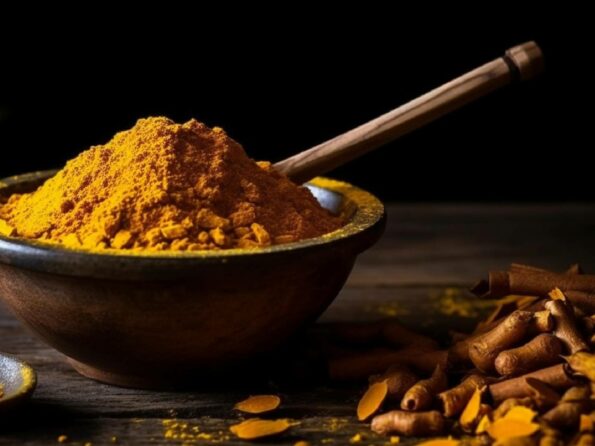
What Is Turmeric and Why Is It Called the Golden Spice? Turmeric[5], often called the “golden spice”[1], has been used for centuries in cooking and traditional medicine. Beyond adding flavour and colour to food, turmeric is packed with natural compounds that support your health in many ways. Modern science confirms what ancient cultures have known all along: turmeric is a powerful ally for joint comfort, inflammation support, and overall vitality What Makes Turmeric So Powerful? The secret lies in curcumin [2], turmeric’s active compound. Curcumin is a natural antioxidant with strong anti-inflammatory effects, making turmeric one of the most researched herbs in the world. What Are the Key Benefits of Turmeric? Supports Healthy Inflammatory Response [3] Yes. Chronic inflammation is linked to joint stiffness, discomfort, and many long-term health issues. Turmeric helps your body maintain a healthy inflammatory response, supporting daily comfort and overall wellness. PromotesJoint Comfort & Mobility [4] Turmeric is widely used to ease occasional joint stiffness and improve mobility. By reducing inflammation, it supports smoother movement and flexibility — especially for active individuals and those experiencing age-related joint changes. Provides Antioxidant [4] Protection Absolutely. Every day, your body is exposed to free radicals from pollution, stress, and diet. Curcumin provides antioxidant protection, helping shield your cells from damage and supporting long-term vitality. Supports Digestive Health [3] Turmeric has been used traditionally to support digestion. It helps stimulate bile production, aiding fat breakdown and promoting smoother digestive function. Boosts Liver Function and Natural DetoxificationTurmeric supports healthy liver function and natural detoxification, helping the body eliminate toxins and maintain overall metabolic balance. Promotes Skin Health and Overall Vitality With its antioxidant and anti-inflammatory effects, turmeric also supports skin health, helping maintain a radiant, youthful glow while boosting overall energy and resilience. How to Take Turmeric for Best Results? While turmeric can be added to food, the amount of curcumin in turmeric root is relatively low. That’s why concentrated turmeric extracts and supplements are often recommended to deliver higher, more effective doses. For better absorption, turmeric is often paired with black pepper extract (piperine) or formulated with advanced delivery systems. VitaHealth Turmeric Series: Clinically Studied for Maximum Benefits VitaHealth Turmeric supplements are formulated with clinically studied, patented extracts to deliver maximum benefits. Whether you’re looking to ease joint discomfort, reduce inflammation, or support everyday wellness, the VitaHealth Turmeric range is designed to help you move freely and feel your best. Learn more about VitaHealth turmeric series. Frequently Asked Questions (FAQs) Is turmeric good for joint pain? Yes. Turmeric helps reduce inflammation, easing joint stiffness and supporting mobility. Can I take turmeric every day? Yes. Daily turmeric supplements are safe when taken as directed and support long-term health. What’s the difference between turmeric and curcumin? Turmeric is the root; curcumin is its active compound that provides most health benefits. How much turmeric should I take daily? Follow the dosage on your supplement label or seek advice from a healthcare professional. Is turmeric safe for children? Yes. In age-appropriate forms, such as VitaHealth Kids SuperGum, turmeric is safe for kids and comes in a convenient gummy format. How can I make turmeric more effective? Pairing turmeric with black pepper extract (piperine) or advanced formulas improves absorption. Who should avoid turmeric supplements? Pregnant or breastfeeding women, and those on blood-thinning medications, should consult a doctor first. Can I eat curry every day instead of taking a turmeric supplement? Eating curry does provide turmeric, but only in small amounts. For meaningful health benefits, turmeric supplements like VitaHealth’s range deliver concentrated curcumin with enhanced absorption and effectiveness. References TURMERIC: THE GOLDEN SPICE OF LIFE | INTERNATIONAL JOURNAL OF PHARMACEUTICAL SCIENCES AND RESEARCH. (2012). https://ijpsr.com/bft-article/turmeric-the-golden-spice-of-life/ Wikipedia Contributors. (2019, May 5). Curcumin. Wikipedia; Wikimedia Foundation. https://en.wikipedia.org/wiki/Curcumin Griffin, R. M. (2021, November 4). Turmeric and Curcumin. WebMD. https://www.webmd.com/diet/supplement-guide-turmeric Gunnars, K. (2018, July 13). 10 Health Benefits of Tumeric and Curcumin. Healthline. https://www.healthline.com/nutrition/top-10-evidence-based-health-benefits-of-turmeric#antioxidants Turmeric – Vitahealth Connection. (2019). Vitahealthconnection.Com. https://vitahealthconnection.com/ingredients-a-z/turmeric/
