
Healthy eyes play an essential role in all aspects of children’s development. Uncorrected vision problems can impact the way they interpret the world around them, affecting everything from learning to socialising. Keep an eye out for these common signs or behaviours that may indicate a vision problem in children. Eye rubbing Occasional rubbing of the eyes is normal. However, excessive rubbing may indicate that your children are experiencing blurred vision or some other sort of distortion. Rubbing the eyes may be an attempt to clear the problem as if it were something in the eye. It can also be related to eye allergies. Head tilting Covering one eye or tilting their head back and forth while reading or watching television could be a sign of an eye-tracking problem. It is a common sign of visual impairment. If caught early, tracking problems can be corrected with appropriate treatment. Struggling to read Are your children having difficulty keeping track of the words or often losing place when reading? This may be a sign of a vision problem like astigmatism. Kids who constantly use a finger to keep their place while reading may be dealing with a treatable eye issue. Squinting Do your kids squint when watching television or reading? This could indicate that they may have difficulty focusing due to a vision problem. Squinting the eyes can help to make the vision a little clearer for a kid who is near-sighted. Short attention span Do your children have difficulties paying attention? Some tasks require clear vision and can be challenging if your children have a vision problem. It makes sense that they would lose interest in vision-oriented activities.

You are constantly exposed to blue light, both indoors and outdoors, which affects and even hurts your vision. Hence, the need for eye supplements have been on the rise. Sources of blue light include: sunlight computer smartphone television LED light How does blue light affect your eyes? Our eyes are not good at blocking blue light. Virtually all visible blue light passes through the cornea and lens, and reaches the retina. With its short and high energy wavelengths, it scatters more easily, and is not easily focused. This causes reduced visual contrast, which can lead to digital eye strain. Symptoms of digital eye strain include dry or irritated eyes, headache and blurred vision. Long-term exposure to blue light has been linked to increased risk of developing age-related macular degeneration (AMD), which is the leading cause of vision loss. Macular pigment and its contribution to vision The macula is the most sensitive part of the retina, responsible for sharp, detailed central vision, and colour discrimination. It is made up of three xanthophyll carotenoids, lutein (L), zeaxanthin (Z) and meso-zeaxanthin (MZ), which are collectively known as macular pigment (MP). This yellow-coloured MP protects the delicate photoreceptor cells in the retina. Enhances Increases the macular pigment optical density (MPOD) for enhanced visual performance, including visual acuity, contrast sensitivity, glare sensitivity and photo-stress recovery. Filters Serves as internal sunglasses to filter out hazardous blue light, protecting the macula against AMD. Protects Acts as a potent antioxidant to protect the eyes from free radicals which cause oxidative stress. What are the sources of L, Z and MZ? Of the many types of carotenoids in your body, only L, Z and MZ are deposited in the macula. L and Z cannot be synthesised by your body; they can, however, be obtained through the diet. Foods rich in L and Z include kale, spinach, turnip greens, green peas, broccoli, corn and eggs. Unlike L and Z, MZ is not present in a typical diet. It is produced in the retina from L via an isomerisation process. However, this process is disrupted as you age. It is therefore essential to replenish these carotenoids, particularly MZ, through eye supplements. Why do we need all the three L, Z and MZ? The different absorption spectra of L, Z and MZ results in a collective optimal filtration of blue light at the macula, which would not be achieved by any of these carotenoids in isolation. Studies have also shown that the inclusion of MZ resulted in a greater increase in MPOD in comparison to supplements lacking this central carotenoid. MZ accounts for about one third of total MP at the macula. It resides directly over the center of the macula, where light is focused and where the strongest need for blue light protection exists. Moreover, of the three carotenoids, MZ has the greatest capability of quenching oxygen radicals. It has the capacity to filter the most energetic and potentially damaging wavelengths of visible light, and to neutralise free radicals produced by oxidative stress. Related Products [vc_row el_class=”margin-top-20″][vc_column][nasa_products type=”featured_product” style=”carousel” shop_url=”0″ arrows=”0″ number=”5″ columns_number=”4″ columns_number_small=”2″ columns_number_tablet=”2″] Eye supplements with L, Z and MZ You are never too young to start a proactive measure to protect your vision down the road. As most of us do not get enough of these carotenoids just from diet alone, eye supplements can be another, more promising way of raising the MPOD, particularly if you spend long hours in front of a computer, digital gadget or television, play sports and spend long hours in bright light focusing on small objects, or are distracted by lights during night-time driving. Not all macular carotenoid supplements are made the same. For optimal efficacy, look for eye supplements containing the new, improved XanMax® formulation which features double-strength (200mg) marigold extract. It is standardised to deliver the highest amounts of L, Z and MZ compared to regular eye supplements.

Picky eating in children is relatively common but can be tough to handle. As any parent can tell, it is one of the major challenges of parenting. Fussy eating often starts at the age of 2 and will eventually improve at the age of 5. However, this is not always the case; some may grow into picky eating adults. Children with picky eating habits tend to be more selective when choosing their food. They typically eat only a few types of food and refuse trying anything new. Picky eaters do not seem to eat much and their appetite may vary daily. They may enjoy the food one day but barely touch it the next day. Hence, some form of kids supplements is necessary to ensure adequate nutrition. How to handle picky eaters? If your children barely touch the food on the plate, try not to make a big fuss about it. Mealtimes should be fun both for you and your kids. Giving your children a head start of 30 minutes before mealtimes will give them time to settle down and get ready for a meal. Minimise distractions, keep toys away and turn the television off. As a parent, you have to be a good role model. Well, you cannot expect your kids to eat food that you do not. Your children may be wary of unfamiliar food. As such, it may take up to 10 times or more before your kids are willing to give something new a try. Be patient and keep introducing new food time and again. You can bring your children to the supermarket and let them choose their own menu, and involve them in food preparation. Taking care of your children’s nutrition with kids supplements A balanced diet provides your children with the nutrition needed for healthy growth and development. Unfortunately, fussy eaters who consume a limited assortment and amount of food are less likely to get adequate nutrients from their diet. Poor nutritional status is not only associated with growth delays, but immune functions are also affected. Thankfully, there are kids supplements that can help to fill the nutrition gaps, so you can watch your children grow strong and healthy. Vitamin C is crucial for children’s general health and immune support to fight off illnesses. In addition, it helps in the maintenance of healthy connective tissues, skin, bones and blood vessels. It also assists in wound healing and the absorption of iron. Vitamin A plays a vital role in promoting healthy eyes, skin and immune functions, while vitamin D enhances the absorption of calcium for the development of strong bones and teeth. Vitamin B complex is essential to support a healthy metabolic system, energy production, formation of red blood cells, etc. Lysine is one of the primary building blocks of protein which supports the rapid growth and development in childhood. It also helps boost appetite and promote weight gain. Lysine is an essential amino acid which cannot be synthesised in the body, thus, it has to be obtained through food. Inulin is a prebiotic beneficial in helping to promote the growth of good bacteria in the gut in children. A healthy balance of intestinal flora supports a strong immune system and protects them from diseases. A solid foundation must be given to support children at each stage which will then make all the difference in helping them to reach significant milestones in learning and exploring.

As a parent, one of the most important things you do is to provide proper nutrition for your kids to ensure optimal growth and development. A varied, well-balanced diet is vital to help them grow up to their full potential. Unfortunately, despite your best efforts, it can be difficult to get the little ones to eat a nutrient-dense diet on a consistent basis. Thankfully, there are kids supplements that can help fill the nutritional gaps in their diet. Why VitaHealth Kids Multivits Jellybean? Get an extra boost with VitaHealth Kids Multivits Jellybean! Great for rapid-growing kids, these fun, easy-to-chew jellybeans are specially designed with 12 key vitamins and minerals in great-tasting, natural apple flavour your kids love! An added bonus: they do not contain any artificial flavouring and colouring. Kids Multivits Jellybean is recommended for growing children aged four or older, especially those who do not eat a balanced diet. The 90’s pack should last for a month and comes in child-proof cap. What’s in VitaHealth Kids Multivits Jellybean? Vitamin A is good for eyesight. Vitamin C maintains healthy gums, bones and blood vessels. Vitamin E is a strong antioxidant beneficial for combating free radicals in the body. Together, vitamins A, C, E work synergistically to strengthen the body’s immune system. Essential for bone health, vitamin D helps the body utilise calcium and phosphorus, while vitamin K1 aids in bone metabolism. Vitamin K1 is also an anticoagulant, assisting in blood clotting in the event of an injury. B vitamins are responsible for energy production in your child’s body. They are crucial for converting food into energy. Niacin and vitamin B6 are necessary for the proper functioning of the brain. Folic acid is essential for the growth and division of cells. Vitamin B12 is needed for the formation of red blood cells, which carry oxygen throughout the body. Biotin helps maintain healthy skin, hair and nails. Iodine is necessary for the production of thyroid hormones which help regulate the body’s metabolism and promote growth and development throughout the body, including the brain. Iodine deficiency can be serious. They include stunted growth and intellectual disability in children. Zinc is one of the most important trace minerals your kids need for a number of biological functions. It plays a vital role in strengthening the immune system, supporting healthy growth and facilitating wound healing. Even a mild deficiency can lead to growth impediments and increased risk of infection. All these essential vitamins and minerals are crucial in kids supplements for facilitating your kids’ overall growth and development so they can grow up healthy and happy!

After a hard week at work, you often look forward to spending your weekend relaxing and indulging in the things we love. Food is always the centre of many social events, including get-togethers with friends, family gatherings, and company outings. Despite your best intentions to keep your eating under control, the big fest is near impossible to resist. With an episode of binge eating and drinking, you will definitely feel the effects in your body. Consuming too much rich food, or alcohol – or both together – may strain your liver and digestive system and leave you feeling sluggish, bloated and heavier. Your liver has to work extra hard to process and filter out the excess fats and potentially harmful toxins, which is where liver supplements can help. Bounce back from overindulgence Now, let’s take a look at the steps to naturally ease the misery of overindulgence and get your energy levels back on track. It is imperative to stay hydrated, squeeze in some exercise and get back to your normal, balanced eating routine. There are a number of natural remedies that you can use to relieve the symptoms associated with overindulgence. Taking a bottle of VitaHealth CHARGE-UP Liveli after your eating binge can significantly help your body bounce back from overindulgence. This unique health supplement is packed with a synergistic blend of botanical extracts and vitamin C, specially catered to protect the liver from the unpleasant effects of overindulgence as a liver supplement. The results? You will feel fresh, lighter, livelier and more energetic, and most of all, your skin will begin to look more radiant! With delicious black date and plum taste, this Halal-certified nutritive tonic is available in convenient, ready-to-drink bottles. Liver supplements – how Liveli benefits you LiverGuardTM unripe green jujube extract, which shows the function of hepatic protection, has been honoured with the Gold Medal award in the Invention & New Product Exposition (INPEX), USA. Rich in antioxidants, jujube has been prized since ancient times for its rejuvenating and soothing benefits. Unripe jujube is used as it contains 4.5 times more antioxidants than the mature fruit, bestowing greater health benefits with every delicious sip. It works gently to strengthen the liver, and thus protects the body against toxin overload and prevents liver damage from fatty build-up and alcohol. Royal jelly serves as the exclusive food of the queen bee, accounting for its extended longevity. This vitality tonic is packed with a rich variety of nutrients to strengthen the immune system. Royal jelly is also used to increase energy and vitality, and relieve stress. A nutritional staple, artichoke has been shown to protect the liver and aid digestion. At the same time, it also lowers blood cholesterol and glucose levels, which can spike after large and heavy meals. Vitamin C is known for strengthening the immune system. Jiaogulan is nourishing herb which helps boost immunity and increase stamina.
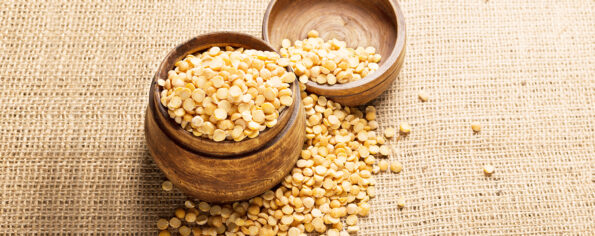
Leading a hectic schedule while living a healthy lifestyle can be challenging. When there is little time to sit down and enjoy a full meal, it often seems easier and time-saving to opt for pre-packaged food, or skipping a meal altogether. However, these ready-to-eat foods are notoriously laden with added sugar, sodium or fat, and provide little to no nutritional values. Shake it up to a healthy, sleek toned body Just because you are busy does not mean you have to resort to less-than-ideal food choices. There are other healthier options available. Fuel your body with VitaHealth Protein 23! Easy to make and convenient, it makes an excellent on-the-go meal replacement. Whether you are eating on the run or grabbing a quick snack, it can give you an energy lift, while also satisfying your hunger. It provides premium-quality protein plus a healthy burst of antioxidants to help you power through your day. Protein 23 is a nutritional protein drink featuring two key patented ingredients: VegOtein PTM 80 pea protein made from organically grown American and Canadian yellow peas; and Oxxynea®, an exclusive combination of 22 fruits and vegetables adopted from the Mediterranean diet. It comes in a delicious, creamy vanilla flavour that is free from added sugar. It has a smooth texture and mixes well with water and other beverages. This wholesome drink is also fortified with green tea extract and chromium (from natural yeast fermentation) that help burn fat and reduces cravings for high-fat foods; and MCT oil that provides energy source during exercise. Pea protein for every nutrition plan Protein is a macronutrient your body requires in large amounts for many critical roles. It is the major structural component of every living cell, essential for building and repairing muscles, bones, skin and hair. In the body, protein is constantly being broken down and recycled. It cannot be stored in the body; therefore, it’s important that you consume adequate amounts of protein every single day. Pea protein is a plant-based protein which offers a wide array of amino acids with a substantial supply of branched-chain amino acids (BCAAs), arginine and lysine – that is especially beneficial for active lifestyles. It can be easily digested and provides a sustained release of amino acids through the day. Pea protein is a non-animal source, hence, free from antibiotics and growth hormones. How does Protein 23 benefit you? Weight managementTaking Protein 23 can save you tons of calories. It delivers 15.5g protein in each serving, providing sustaining satiety and controlling your craving, which results in smaller portion sizes and less frequent snacking between meals. Muscle growthMuscle tissue is composed of protein, so it is no surprise that a high-protein diet can help your body build and maintain lean muscle mass. Post-exercise recoveryAll workouts, especially intense or prolonged trainings, taxes on your muscles. Consuming Protein 23 directly after a workout can optimize muscle repair and speed up recovery from muscle soreness. The addition of BCAAs boosts protein synthesis and give your muscle the fuel they need to recover. Antioxidant boostOxxynea® delivers high contents of antioxidants which help scavenge free radicals in your body, and has been associated with a reduction in risks of coronary heart disease. Who should take Protein 23? Great for busy adults and active individuals on the go, Protein 23 can be taken as a meal replacement for breakfast, mid-day snack, or post-workout replenishment. Boasting a rich amino acid profile, it also makes an excellent source of protein for vegetarians to meet their daily protein needs. It is especially recommended for individuals who are on a weight loss diet, wish to build or maintain muscle mass or undergo workouts. Mix two scoops (30g) with 200ml of water and you are good to go!

Turmeric is a well-known ancient herbal medicine from the rhizome of Curcuma longa, a member of ginger family, and commonly found in health supplements for knee pain. It possesses remarkable health-promoting properties, thanks to its well-known anti-inflammatory and antioxidant properties, along with many other physiological benefits. Mounting evidence proves the healing properties of turmeric is attributed to its active compounds – curcuminoids, which is now used in many health supplements. Curcuminoids are known to suppress inflammation by inhibiting NF-kB, a transcription factor which triggers a cascade of undesirable inflammatory responses in the body. NF-kB is implicated in a host of chronic diseases ranging from cardiovascular diseases to cancer. As a potent antioxidant, curcuminoids effectively to counteract free radicals in two ways: prevention of free radical formation; and quenching of preformed radicals. Arthritis management Turmeric offers safe and effective therapeutic benefits in alleviating inflammation and pain associated with osteoarthritis and rheumatoid arthritis. Unlike NSAIDs, this natural COX-2 inhibitor does not cause undesirable gastrointestinal side effects. This makes them perfect to be used in joint care supplement for knee pain. Cardiovascular support Turmeric extract shows promising results in lowering serum levels of LDL-cholesterol and triglycerides, thus reducing the risk factors for coronary heart diseases. Blood sugar management Many studies have suggested that turmeric helps in managing blood sugar levels. It increases the production of insulin and protects the pancreatic cells from damage caused by oxidative agents. Brain function Curcumin has been shown to prevent the formation and break down amyloid-beta plaques associated with Alzheimer’s disease. Gastrointestinal health Turmeric extract helps mprove symptoms of irritable bowel syndrome (IBS) such as gas, diarrhea, constipation, etc. Anti-allergic Curcuminoids are used to alleviate symptoms of allergies by inhibiting the release of histamine form mast cells. Cancer prevention Curcuminoids act by interfering with signalling mechanisms (critical for tumour growth), regulation of apoptosis (cell death), and tumour angiogenesis (new blood vessel formation which feeds tumours). Chemo-preventive effects Curcumin has recently received increased attention in protecting normal tissues from chemotherapy-induced toxicity. It may also enhance the therapeutic efficacy of many anti-cancer drugs and reduce their side effects through pharmacological and pharmacokinetic interactions. Sources: Daily JW, Yang M, Park S. Efficacy of Turmeric Extracts and Curcumin for Alleviating the Symptoms of Joint Arthritis: A Systematic Review and Meta-Analysis of Randomized Clinical Trials. J Med Food. 2016; 19(8):717-729. Mirzabeigi P, Mohammadpour AH, Salarifar M, Gholami K, Mojtahedzadeh M, Javadi MR. The Effect of Curcumin on some of Traditional and Non-traditional Cardiovascular Risk Factors: A Pilot Randomized, Double-blind, Placebo-controlled Trial. Iranian Journal of Pharmaceutical Research. 2015;14(2):479-486. Panahi Y, Hosseini MS, Khalili N, Naimi E, Simental-Mendía LE, Majeed M, Sahebkar A. Effects of curcumin on serum cytokine concentrations in subjects with metabolic syndrome: A post-hoc analysis of a randomized controlled trial. Biomedicine & Pharmacotherapy. 2016;82:578-582. Mishra S, Palanivelu K. The effect of curcumin (turmeric) on Alzheimer’s disease: An overview. Annals of Indian Academy of Neurology. 2008;1(11):13-19. Tomeh MA, Hadianamrei R, Zhao X. A Review of Curcumin and Its Derivatives as Anticancer Agents. International Journal of Molecular Sciences. 2019;20:1033. Liu Z, Huang P, Law, Tian H, Leung L, Xu C. Preventive Effect of Curcumin Against Chemotherapy-Induced Side-Effects. Frontiers in Pharmacology. 2018;9:1374. Kurup VP, Barrios CS. Immunomodulatory effects of curcumin in allergy. Nutr. Food Res. 2008;52:1031-1039. Moloughney S. (2019) Curcumin: Traditional Roots Intertwined with Modern Science. Retrieved from https://www.nutraceuticalsworld.com/

Magnesium, the fourth most abundant mineral in our body, is naturally present in many foods such as whole grains, leafy vegetables, beans, seeds and nuts. Yet, magnesium deficiency is relatively common. The contributing factor lies in our eating habits, which requires additional health supplements to fill the gaps. Modern diets tend to be high in processed and refined foods which contain scant amounts of this mineral. Excessive consumption of alcohol can hinder the absorption of this mineral into the bloodstream. Stress, ageing, intense physical activities, certain medical conditions and prescription medications can also deplete our bodies of magnesium. Early signs and symptoms of magnesium deficit can include loss of appetite, nausea, vomiting, fatigue, muscle cramps, mood changes and abnormal heart rhythms. Why magnesium matters? Compelling studies reveal that magnesium is vital for optimal bodily functions. It plays an important role in hundreds of biochemical reactions, some of which are discussed below. Relieves migraines – reduces the frequency, intensity and duration of attacks Relaxes muscles – regulates muscle contractions Regulates blood pressure – aids blood vessels relax and dilate Supports bone health – increases bone mineral density Increases energy levels – supports ATP synthesis Fights anxiety and stress – promotes a sense of calm and well-being Alleviates PMS symptoms – reduces fluid retention, mood swings, etc. Improves sleep quality – increases the production of neurotransmitter GABA Synthesises proteins Choosing the right magnesium health supplement You can consider taking magnesium supplements to protect against the myriad risks linked with magnesium deficiency. Not all health supplements are the same. Look out for the chelated form which is attached to organic compounds such as amino acids. With superior bioavailability, it is more readily absorbed by the body. It is also less likely to cause side effects such as stomach upset, nausea, vomiting and diarrhea. Combining magnesium with vitamin B2, coenzyme Q10 and L-theanine offers a promising alternative for enhanced health protection. Vitamin B2 helps convert food into energy. Coenzyme Q10 boosts the body’s antioxidant protection in addition to its role in supporting energy metabolism. L-theanine, a predominant non-protein amino acid naturally found in green tea leaves, can induce a relaxed yet alert mental state through a direct influence on the central nervous system without causing drowsiness.

Are you going to bed early but still wake up feeling groggy or unrested? Chances are you might be sleep deprived. A few hours of sleep-loss each night can affect every aspect of your daily life beyond daytime drowsiness. It can be far more severe than you thought! Several studies have shown that ongoing insufficient sleep may result in a host of health conditions, which may shorten your life expectancy! Effects of sleep deprivation Cardiovascular diseases Growing evidence suggests that insufficient sleep has been linked to an increased risk for high blood pressure and heart attacks. In the 1980s, many Japanese workers died from “karoshi” which translates to “death from overwork”, mainly from a heart attack and stroke due to stress and sleep deprivation. Obesity When you fail to get adequate sleep, your body produces less leptin, a hormone that suppresses appetite, and more ghrelin, a hormone that stimulates appetite. This will eventually prompt you to crave for food. Furthermore, it may leave you too exhausted to burn off the extra calories that you take in. As a result, you tend to gain weight and are prone to obesity. Diabetes Ongoing sleep scarcity also increases the risk of developing diabetes, particularly if you are obese and have a family history of the disease. When you are sleep-deprived, your body produces more stress hormone – cortisol which in turn promotes insulin resistance, leaving you more susceptible to diabetes. Accidents and injuries Lack of sleep can interfere with your cognitive abilities and eventually cause reduced concentration, impaired judgement, decreased creativity and increase the likelihood of making mistakes. It is not only harmful to the individual but can also adversely affect the safety of others! Being sleep deprived will put you at an increased risk of accidents, injuries or death on the road, at work and even at home.
