
Your hair is the crown you never take off, so it is important to treat it utmost care! Not only it says a lot about your personality, but it also reflects your overall health and well-being. Healthy hair indicates your body is well-nourished, while hair problems – such as hair loss, premature hair greying and oily scalps – are possible signs of lack of proper nutrition. Understanding your hair On average, the human scalp has 100,000 hairs. Hair is the fastest growing tissue in the body, second only to bone marrow. At any given time, approximately 90% of the hair is growing, while the other 10% is resting. After a few months of rest, the hair naturally falls out to make room for new hair. When new growth begins, healthy hair will grow about half an inch per month. But it is important to know that everyone’s hair is different and factors such as genes, hair care practices and diet play a part in your hair growth process. Calcium & vitamin D3 difeciency Hair loss If you experience hair loss, you are not alone! It is said to be one of the most common hair concerns. Ageing, stress, medical conditions or hormonal changes can the underlying cause of this problem. Grey hair As you age, the production of colour pigment slows down and grey hair begins to appear. What is it that makes your tresses go grey before your time? This phenomenon could be caused by stress, nutritional deficiency, genetic and environmental factors. Hair thinning It can be distressing to see your hair losing its volume, thickness and strength. While hair thinning is often thought of as the elderly problem, the condition can start as early as your teen years. Left untreated, it will eventually lead to hair loss. Dandruff Feeling low on self-esteem by those tiny flakes constantly falling on your clothes? Not only are flakes considered eyesores that can hamper your confidence, but they also lead to uncomfortable scalp itching. Oily scalp Your scalp produces a natural oil called sebum to keep your strands healthy and moisturised. An excessively oily scalp can also be a nuisance, leaving your hair greasy and eventually clogging your scalp pores. Frizzy hair Fed up with your frizzy hair that is just cannot be tamed? Frizzy hair occurs when your hair is dry and lacks moisture. Too much heat styling can damage your hair and strip it of moisture, which in turn leads to frizz. Split ends Split ends happen when the ends of your hair become brittle and frayed. They make hair tangled and break even further, making it difficult to maintain. Split ends can be the result of over-brushing or nutritional imbalance. Lackluster hair If you find your locks are perpetually lacking luster, it is time to find out the root cause of what made it less shiny. Poor nutrition, dehydration and overuse of harsh chemicals are often the culprits of dull and lifeless hair. Eat your way to healthy hair Unlike the skin, hair cannot repair itself, but damaged hair can be replaced with new hair. That is why getting the right balance of vitamins, minerals, amino acids and phytonutrients is vital to revive your hair’s natural health and shine. Your hair and scalp require continuous nourishment to maintain healthy growth and replenishment. Your hair is largely composed of keratin, a protein made up of amino acids. Cysteine, lysine and methionine are vital amino acids for the growth and strength of your hair. Phytonutrients such as wheat germ oil, safflower oil and lecithin are beneficial to restore shine to lackluster hair. They also play a vital role in nourishing the scalp and preventing dandruff. Get enough vitamins to spur hair growth and slow down hair greying. B vitamins, including B6, folic acid, biotin and inositol are instrumental in boosting hair health and spurring hair growth. Para-amino benzoic acid (PABA), one of the lesser-known members of the B complex family, has been shown to be an anti-grey hair vitamin. Vitamin C aids in the production of collagen, a vital part of hair’s structure, while vitamin E helps increase blood circulation in the scalp to support hair growth. Be sure to eat sufficient amounts of minerals in your diet. Zinc, iodine, selenium, copper and manganese are imperative when it comes to combating hair loss. Adequate levels of silica help strengthen the hair and prevent split ends. Lustrous and silky hair is a pleasure to behold. Start taking better care of your tresses and scalp today!

Children grow rapidly and so do their bones. Building strong, healthy bones sets the foundation for lifelong skeletal health, which helps guard against osteoporosis and fractures in later years. It is therefore vital to ensure that your little ones are getting enough calcium on a daily basis to support their accelerated growth and development. Calcium & vitamin D3 – the perfect pair Calcium is one of the most abundant minerals in the body with nearly all of it deposited in the bones and teeth. The body maintains a steady level of calcium in the blood. Think of bone as a calcium bank. If the body does not obtain enough calcium from food, it withdraws this mineral out of the bones. When the body withdraws more calcium than it deposits, the bone density gradually declines. Individuals who do not get enough calcium are more susceptible to develop osteoporosis later in life. The best time to build bone density is during years of rapid growth. Childhood and adolescence are critical times for maximising bone strength. It is during this period that both the size and strength of the bones increase significantly. Calcium cannot be produced by the body. It is therefore imperative to ensure that your little ones obtain their much-needed calcium from their diet or supplementation. Getting enough vitamin D3 is important for bone building, too. This sunshine vitamin helps the body to absorb calcium. Build strong bones & teeth Regulate muscle contraction Support immune function Aid blood clotting Prevent rickets Calcium & vitamin D3 difeciency Unfortunately, many kids do not get enough calcium in their diets. Even though the body can make vitamin D, kids likely do not get enough. Inadequate exposure to sunlight, due to increasingly indoor lifestyles, could result in low amounts of vitamin D in the body. A deficiency of these must-have nutrients can result in: muscle spasms tooth decay brittle nails fatigue poor appetite VitaHealth Kids Gummies with Calcium & Vitamin D3 Top up your kids’ calcium intake with VitaHealth Kids Gummies with Calcium & Vitamin D3. Great for all growing children, these fun, apple-favoured gummies are enriched with vitamin D3 which helps promote the absorption and utilisation of calcium. It comes in great-tasting apple flavour your kids love! An added bonus: they are free from lactose, allergens and preservatives. The 60’s pack can last for a month and come in child-proof cap.

Growing up, you have been told many times that you should be drinking more water – it’s good for your health! But is it really that important? Short answer: Yes! It is recommended that you drink 6 to 8 glasses each day. Here are some evidence-based health benefits of drinking plenty of water. Maximises physical performance Your body tends to perspire more when you engage in vigorous exercise. Therefore, it is necessary to drink more water to replace the fluid lost in sweat. Staying hydrated can boost your athletic performance, reduce muscle fatigue and reduce the risk of injury. Helps lose weight Drinking water can speed up your weight loss process. Water can boost your body’s metabolic rate which is useful for burning calories, and it takes up space in your stomach so you feel fuller. In addition, water is also a liquid containing ‘zero’ calories compared to sugary water. Keeps your brain sharp Ever feel fuzzy-headed? Take a sip of water. Research shows that dehydration is a drag to memory, attention, and energy. Considering water makes up 75% of your brain, low electrolytes can cause issues including muscle weakness, fatigue and confusion. So, stay hydrated! Keeps skin looking good Dry and lifeless skin? You need to drink more water to keep your skin well hydrated and moisturised, which can slow the ageing process. Proper hydration helps your body to flush out toxins while improving your complexion for radiant, glowing skin. Improves digestion Water helps break down food the food you eat, allowing its nutrients to be absorbed by your body. In the large intestine, water binds to soluble fibre to increase stool bulk, making it easier for you to eliminate waste. Lubricates the joints Water helps to keep your joints lubricated and flexible. A component of synovial fluid, water is necessary to help prevent joint friction. Staying properly hydrated also helps prevent or reduce the severity of gout flare-ups by flushing your body of harmful toxins and wastes. We can stay alive without food for a few days but your body cannot last long without drinking water. Therefore, drink enough water to get 1,001 benefits while adopting a healthier lifestyle! Don’t forget to drink!
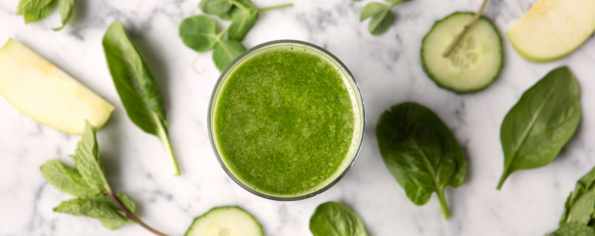
Christmas, New Year and then, the much-anticipated Chinese New Year. The festive season brings with it an abundance of tempting delicacies! With an episode of binge eating and drinking, you will definitely feel the effects in your body. Consuming too much rich food, or alcohol – or both together – may strain your liver and digestive system and leave you feeling sluggish, bloated and heavier. How to feel fab after festive overindulgence You do not have to go to extremes to reset your body after the festive indulgence. Here are some tips that will get you started: Related Products [vc_row el_class=”margin-top-20″][vc_column][nasa_products type=”featured_product” style=”carousel” shop_url=”0″ arrows=”0″ number=”5″ columns_number=”4″ columns_number_small=”2″ columns_number_tablet=”2″] Cut down on sugar You are served with all delicious meals, sweets and treats during the festive celebrations, bet it must be hard to resist right? High sugar intake leads to a higher sugar consumption causing an unintended weight gain. Try to cut down on sugar by having a small portion of your favourite festive food instead of having a variety without noticing that quantity and calories. Load up with greens Another way to detoxify your body naturally is to load up with green leafy vegetables, fruits and organic foods in your diet. Vegetables and fruits are high in fibre and low in calories. They can help in weight management by reducing your desire to eat, making you feel full longer. Make sure half of your plate is filled with greens in every meal! Hydrate with water Hydrate, hydrate and hydrate! Yes, hydrate your body with water. Your body needs to be detoxified after all the sugary and coloured drinks. Drinking plain water is a great way to flush of toxins from your body and it has no calorie. It also will help boost your metabolism and burn excess calories. Get active and sweat on The body also flushes out toxins when you sweat, so doing exercise should be a part of your detox plan. You can do a 30-minute yoga session, go for a brisk morning walk or jog or run or even do high energy workout to reset your energy and put yourself in a good mood. Curb the consumption of alcohol Some people may tend to increase the consumption of alcohol during the festive season. Do watch your alcohol intake as it is easily absorbed into the bloodstream and affects every part of the body. Binge drinking has been associated with various health risks, including damage to the liver, heart, brain and stomach. Catching up on sleep Ensuring sufficient and quality sleep each night is a must to support your body’s health and natural detoxification system. Sleeping allows your brain to reorganise, recharge itself and to eliminate toxic waste by-products that have accumulated throughout the day. Seven to nine hours of sleep per night on a regular basis is recommended to promote good health.

A robust immune system is imperative to protect your body especially in this time of COVID-19 pandemic. It is your body’s defence against infections and illnesses, protecting you from potentially harmful viruses or bacteria. Here are some ways you can practice to keep your immune system functioning at its best. Exercise regularly Physical activity is not just for building muscles and keeping you fit, it is also important to support a healthy immune system. Studies have shown that engaging in as little as 30 minutes of moderate-to-vigorous exercise daily helps stimulate your immune system as it may reduce inflammation and help your immune cells regenerate regularly. Stay hydrated Water plays many important roles in your body, including supporting your immune system. Fluid in your circulatory system called lymph, which carries important infection-fighting immune cells around your body, is largely made up of water. Dehydration can slow down the movement of lymph, sometimes leading to an impaired immune system. Make sure you drink sufficient amount of water to stay hydrated. Eat whole, plant-based foods Whole, plant-based foods like fruits, vegetables, nuts, seeds, and legumes are rich in nutrients like vitamins, minerals, fibre and antioxidants. Eating a colourful diet can give you a variety and balance of goodness your body needs to boost your immune system and lower the susceptibility to illnesses. Get enough sleep You can actually fight off infections through sleep. Without you realising, important infection-fighting molecules are created while you sleep. Studies have shown that people who do not have enough quality sleep are more prone to getting sick after exposure to viruses. Adults should aim to get 6 or more hours of sleep each night, while teens need 8–10 hours and younger children and infants up to 14 hours. Minimise stress Stress is different for everyone and it drains your ability to stay strong. Given the effect it can have on your immune system, it is important to know how to identify stress. The higher the stress, the fewer antibodies and white blood cells produced by the body. Activities that may help you manage your stress include meditation, exercise, yoga, and other mindfulness practices. Take action now and make positive lifestyle and dietary changes today to strengthen your immune system. It might be challenging to do all of these things on an ongoing basis, so try to do as much as you can. Consistently taking good care of yourself will go a long way in staying healthy and fit!
Are you obese? According to National Health Morbidity Health Survey 2019, 50.1% of adults in Malaysia were overweight or obese. Obesity is more than just a cosmetic issue. Being overweight puts you at risk for many serious health conditions such as hypertension, diabetes, fatty liver disease, osteoarthritis, etc. If you want to start your journey to having a fit and fabulous body, here are some tips: Set realistic targets If you are trying to slim down, set realistic weight loss goals and determine how to get there. It is important to have measurable goals so that you can track your progress and stay motivated. Remember, drastic weight loss should be avoided as it can be detrimental to health. Count your calories Getting in shape would be much more difficult if you have bad eating habits. It is time to commit to eating better and healthier. The number of calories you need each day is based on your weight, height, age and gender. Counting calories helps you eat fewer calories and goes a long way to staying in good shape. Go for healthier food choices Begin with simple changes. If you find yourself at the fast-food chains more often than not, go only once a week or commit to cooking at home at least five nights a week. Practice oil-free cooking methods such as steaming, boiling and grilling. Pick a workout you love Motivation is what drives you to make things happen but staying motivated is not always easy. You do not have to spend hours in a gym and force yourself into a strenuous workout. A little exercise is better than nothing. Pick an exercise or workout you genuinely enjoy so that you will stick to a regular routine. Seek social support Having social support is a great way to stay motivated in your weight loss journey. It is easier to stick with a weight loss plan when you have support. Consider starting or joining a weight-loss group to share information and seek social support. Fit & Fabulous Facebook Group is a platform for members to share their weight-loss journey, diet and exercise plan, and motivate each other. Do not get discouraged by what you cannot accomplish. Instead of obsessing over results, focus on consistency. It is the key to achieve your weight-loss goals. All the best!
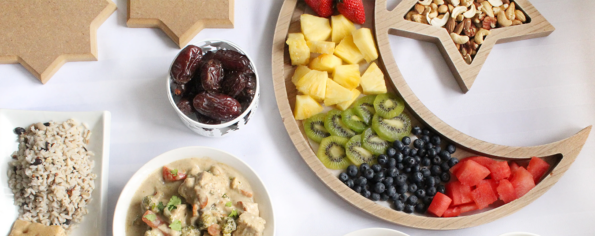
Sahur, the pre-dawn meal, is the first meal of the day during the month of Ramadan. Eating right during sahur will go miles in keeping you energised through the day of fasting. You do not have to overeat. Eating in moderation is the key. So, what should you eat? Here are some tips for healthy eating during this holy month. Water Stay hydrated and drink sufficient amount of water. It is important to keep yourself hydrated throughout the day of fasting. There is a risk of dehydration if you do not drink enough water during fasting, and that can cause dizziness, headaches, lethargy and fatigue. Complex carbohydrates Complex carbohydrates are loaded with fibre to supply energy for a longer period of time. Try these whole-grain carbohydrate options: whole grain bread, barley, oats and quinoa. This type of food takes a longer time to digest and makes you feel full longer. Fruits and vegetables Fill your plate with a variety of fruits and vegetables. Rich in fibre, they increase the feeling of fullness and help prevent constipation. They are also loaded with health-promoting vitamins, minerals and phytochemicals. Adding water-rich fruits like watermelon in your sahur can keep you hydrated throughout the day. Proteins It is always a good idea to include protein in your pre-dawn meal. Protein is excellent to fuel your body, keeping you energised and delaying hunger pangs. Great sources of protein include chicken, fish, eggs, lentils and beans. Healthy fats Do not forget to include healthy fats to keep you full longer into the day. Choose foods that are loaded in healthy fats such as olives, olive oil, nuts and avocados.

Feeling tired or groggy all the time? Hectic schedules and demands of everyday living can drain your energy, leaving you physically and mentally exhausted by day’s end. When low energy drags you down, it can make it difficult to concentrate and stay organised. Fatigue can negatively impact your reaction time, vigilance, decision-making ability and judgment, which eventually lead to a significant loss of productivity. Why does vitamin B matter? Give your body an extra boost of energising fuel to keep you charged up to take on any challenges that come your way. Vitamin B complex is a group of B vitamins. Each plays a unique function in your body, but, as a group, they are primarily tasked with the production of energy from the food you eat. Take a closer look at how these nutrients benefit you. Boost physical performance Whether you are gearing up to seize your day or power through a midday slump, vitamin B complex is your go-to source of energy. It facilitates your body to convert the food you eat into energy, helping you to stay energised throughout the day. Increase mental alertness B vitamins are known for boosting brain power, keeping you focused and alert to take on your day. In particular, vitamin B12 has crucial benefits for the brain and nervous system. A deficiency is linked to impaired cognition and memory. Relieve stress Vitamin B complex is beneficial for building up mental resilience. Vitamin B5, or pantothenic acid, supports the adrenal glands, which reduces stress levels. It regulates the production of cortisol which triggers your body’s flight-or-fight response in times of stress. Enhance mood Healthy levels of B vitamins play a crucial role in the production of serotonin, the key hormone which helps with mood regulation. Serotonin, often called the body’s natural feel-good chemical, is a neurotransmitter in the brain with beneficial effects on well-being and mood. Who should take vitamin B complex? B vitamins are water-soluble, which means they cannot be stored in your body. It is important that you replenish your supply daily, especially during times of stress. Ageing and restrictive diets (vegetarian or vegan) can increase your body’s demand for B vitamins, making supplement necessary. You are recommended to take supplements if you: Lead a hectic or stressful lifestyle Always feel tired Have difficulty concentrating Are actively engaged in physical activities Are susceptible to vitamin B deficiency as you get older What to look for in a vitamin B complex supplement? For maximum efficacy, look out for the following criteria: Contains high-strength B vitamins Added with minerals (magnesium, calcium and zinc) for enhanced health benefits Added with grape seed extract for an additional antioxidant boost Vegetarian-friendly (if you are a vegetarian or vegan) Convenient one-a-day dose

Have you noticed acne popping up under your mask? Wearing a face mask can reduce the spread of the deadly virus. At the same time, it also creates a humid environment that traps sweat, oil, and bacteria on the skin which may lead to skin breakouts. The term maskne, or mask acne, has taken off on social media as more people experience skin flare-ups especially in the nose and mouth area brought on by prolonged wear of a face mask. Prevention is always your best bet. While you cannot ditch the mask, there are steps you can take to avoid maskne. Let’s go through the ways to protect your skin so you do not have to deal with the pesky blemishes until we can go mask-free! Pick the right mask Be mindful of the type of mask you wear to prevent skin issues. Go for a face mask that is composed of natural, soft fabric which fits snugly but not too tight. Masks made of synthetic fibres should be avoided because these materials can potentially irritate your skin. Change your mask regularly One of the best ways to prevent breakouts is to ensure that the mask you are using is clean. It is advisable to change your mask every 3-4 hours to reduce dirt and oil that may build up on your face. If you are out for a long time, make sure you change the used face mask with a fresh one. Skip makeup Skip wearing heavy makeup under your mask as it can clog your pores which can lead to more breakouts. If you must wear makeup, look for products that are labelled “non-comedogenic” indicating they will not clog pores, according to recommendations. Avoid touching your face Touching your face transfers oil from your hands to your face, which can block pores and result in acne. Also, remember not to pick at, or squeeze the acne as this may worsen the inflammation and lead to scarring. Take acne-fighting remedy Despite how frustrating maskne can be, it is important to continue using face mask as your daily routine. You may consider taking a herbal remedy made with natural, acne-fighting herbs to clear your skin from the inside out. Managing maskne is not going to be a one-time deal. It requires ongoing prevention habits to keep your skin clear. So, mask up the smart way!
