Are you eating healthily throughout this MCO and CMCO period? Eating a balanced diet while staying at home can be challenging. When you are anxious or stressed, your body releases a hormone called cortisol. This amps up your feeling of hunger and cravings, which eventually leads to weight gain. From snacks to pastries, pre-packaged meals and desserts, many are relishing comfort foods during the difficult days of at-home confinement. Strengthen your body with Protein 23 A well-balanced diet is crucial for the proper functioning of your immune system. Protein emerges as one of the most important nutrients you need during this pandemic. VitaHealth Protein 23 is a great pick for a meal replacement. Easy to make and convenient, VitaHealth Protein 23 gives you an energy lift, while also satisfying your hunger. It is a nutritional protein drink featuring VegOtein PTM 80 pea protein and antioxidant-rich Oxxynea®. Plus, it comes in a delicious, creamy vanilla flavour that is free from added sugar. VegOtein PTM 80 is made from organically grown American and Canadian yellow peas. It can be easily digested and provides a sustained release of amino acids through the day. Pea protein is a non-animal source; hence, it is free from antibiotics and growth hormones. Oxxynea® is an exclusive combination of 22 fruits and vegetables adopted from the Mediterranean diet. It delivers high levels of antioxidants which help scavenge free radicals in your body. Immune defence Maintains integrity of first line of defence Your skin and mucous membranes keep pathogens from entering your body. They are your first line of defence against infections. Protein is vital in maintaining the integrity of the body cells’ membranes which develop the natural barrier against infections. Synthesises antibodies and immune cells Antibodies which help fight disease are made of protein. It is vital that you increase your protein supply to ensure your body produces sufficient antibodies you need to fight off infections. Optimises activities of immune cells Amino acids, the building blocks of protein, play a role in your immune function too. Alanine provides energy to the immune cells, glutamine gives directions to the immune cells to migrate to the targeted site while arginine increases the “killing” abilities of immune cells. Weight management Replacing meals with Protein 23 may help you reduce your calorie intake, which can help you lose weight. Each serving delivers 15.5g of highly digestible protein at only 127 kcal, providing sustaining satiety, while helping you power through your day. It is fortified with green tea extract, which increases fat burning capacity, and chromium yeast, which reduces cravings for high-fat foods. It also contains MCT oil, a good fat which helps increase metabolic rate. Maintaining a healthy weight is important, particularly during the current pandemic, to help you to deter the complications of respiratory infection. Carrying extra fat puts higher resistance in the airways, and lowers lung volume, which may worsen COVID-19 symptoms. Who should take Protein 23? Great for busy adults and active individuals, Protein 23 can be taken as a meal replacement for breakfast, a mid-day snack, or a post-workout replenishment. Boasting a rich amino acid profile, it also makes an excellent source of protein for vegetarians to meet their daily protein needs. Mix two scoops (30g) with 200ml of water and you are good to go!

Feeling down? Got the blues? Everyone feels sad at some point in their life. You cannot always control what happens to you, but one thing you can control is how you respond to it. The good news is that it takes relatively little time and effort to bring positivity into your life. Here are a few simple ways to boost your happiness levels in mere minutes, or less. Listen to music Make a playlist full of your favourite songs and listen to it. Research shows that listening to music that you love makes your brain release dopamine, a feel-good neurochemical which can make you feel better. So hit the play button and put yourself in a good mood. Smile As simple as it might sound, smiling has a direct positive impact on your mood. Try putting a smile whenever you feel down. Smiling not just has the power towards you, but it can also change the moods of others. So, smile, because it is contagious! Stay connected Don’t hold it to yourself when things happen. When you are feeling the blues, find someone you fully trust to talk about your feelings. Surrounding yourself with good company can keep your spirit high. Do a good deed It’s no secret that performing small acts of kindness can increase a sense of happiness and well-being. Do something nice for someone else. For instance, you may donate to a good cause, open a door for someone and write a thank you note. Exercise Get up and be active! It is not just great for your body but also for your mental health. Exercise sparks the release of mood-raising endorphins which trigger a positive feeling! Even a 10-minute yoga session has been shown to make an impact. Get enough sleep A good night’s sleep can make a world of difference to your mood! With enough sleep, you will feel more energised and ready to tackle your errands.
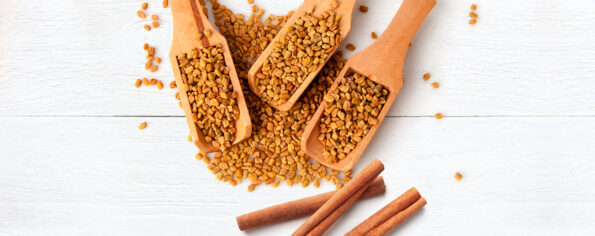
Diabetes continues to rise dramatically each year. The International Diabetes Federation reported that 1 in 11 (463 million) adults aged 20-79 years worldwide were living with diabetes in 2019. It is estimated to increase to 700 million by 2045. 1 in 2 (232 million) people with diabetes were undiagnosed. It caused an estimated 4.2 million deaths. Closer to home, it is reported that Malaysia has the highest rate of diabetes in Asia in 2018. About 1 in 5 Malaysian adults have been diagnosed with the disease. The recent National Health and Morbidity Survey (NHMS) 2019 showed that an estimated 3.9 million Malaysians aged 18 and above are suffering from diabetes. What is diabetes? During digestion, carbohydrates are broken down into glucose, which can be transported across the intestinal wall into the bloodstream. Raised sugar levels trigger your pancreatic cells to release insulin. Insulin promotes the uptake of glucose into body cells so it can be used as fuel for energy. As glucose moves from the bloodstream into the cells, blood sugar levels begin to fall. Diabetes is a chronic condition characterised by elevated blood sugar levels in the body. Type-1 diabetes is a condition in which the pancreas either does not produce insulin at all or does not make enough insulin. In type-2 diabetes, the pancreas either does not produce enough insulin, or the cells in the body fail to respond to the signal of insulin – a condition known as insulin resistance. As a result, blood sugar builds up in the bloodstream. Are you at risk? Type-2 diabetes is the most common type of diabetes, accounting for at least 90% of all cases. It usually occurs in adults over 40 years old and who are overweight. However, there are increasing numbers of young people being diagnosed with type-2 diabetes. Many factors can increase your risk of diabetes. You have a higher chance of developing it as you: Get older (over 45 years old) Have a family history of diabetes Are overweight Physically inactive Diabetes is highly fatal. It can lead to several life-threatening complications such as: Heart attack Stroke Kidney failure Nerve damage Blindness Lower-limb amputation Watch out for the following symptoms of type-2 diabetes. The symptoms may be so mild that you do not notice them. It is therefore important to get your blood sugar checked regularly and monitored closely so that it will not swing out of control. Unusual thirst Frequent urination Unexplained weight gain or loss Numbness or tingling in the hands and feet Blurred vision Slow wound healing Extreme fatigue Controlling sugar levels Currently, there is no known cure for diabetes, but with positive lifestyle modifications, you can prevent or delay the onset of type-2 diabetes. With these steps, you can lower your risk of this deadly disease and the complications it brings. Keep a healthy weight Eat a healthy diet Exercise more Quit smoking A number of herbs and spices offer natural alternatives to help control blood sugar levels. These noteworthy plant-based remedies include: Fenugreek Fenugreek seeds are high in soluble fibre, which helps prevent blood sugar spikes by slowing down the digestion and absorption of carbohydrates. Fenulife is a good source of concentrated, odour-free fenugreek extract which provides 3 times more galactomannan soluble fibre than whole fenugreek seeds. The seeds also help reduce insulin resistance and HDL-cholesterol levels. Cinnamon Cinnamon contains a water-soluble polyphenol compound called methyl hydroxy chalcone polymer (MHCP), which is able to mimic insulin, increasing the uptake of blood sugar by cells. Bitter melon Bitter melon shows hypoglycemic effects via the regeneration of the pancreatic beta cells and stimulation of insulin secretion. Gymnema sylvestre Gymnema sylvestre is also known as a “destroyer of sugar” for its ability to suppress cravings for sweet food. This helps prevent excessive intake of sugar. Turmeric Turmeric has potent antioxidant and anti-inflammatory properties which help manage blood sugar levels and play a defensive role against oxidative stress caused by diabetes. Banaba leaf Corosolic acid in banaba leaf helps keep the blood sugar levels within normal levels by improving the cellular uptake of glucose.

Inflammation is a natural process that allows your body to defend itself against infection, illness, or injury, as a part of the healing process. However, inflammation can be harmful when it persists over a long period of time and becomes chronic. Some conditions linked to chronic inflammation include Alzheimer’s disease, arthritis, asthma, depression, diabetes, cardiovascular disease, and even cancer. Change what you eat The foods that you consume can have an effect on inflammation on your body. A diet rich in anti-inflammatory foods can help you combat inflammation. On the other hand, certain foods may accelerate the inflammation process in your body. Incorporate the following foods into your diet. Berries such as strawberries, raspberries and blueberries Leafy vegetables such as spinach, collards and kale Whole grains such as oatmeal, brown rice and whole-wheat bread Nuts and seeds such as almonds, walnuts and pecans Fatty fish such as salmon, tuna, mackerel and sardines Herbs and spices such as turmeric, garlic and black pepper Olive oil Limit your consumption of the following foods. Sweetened beverages such as soda and juices Fried foods such as french fries and nuggets Processed meats such as sausages, burgers and bacon Processed snacks such as chips and crackers Refined carbohydrates such as white bread, white pasta and baked goods Unhealthy fats such as margarine, lard and shortening Alcohol

The midpoint in life can be the most distressing dilemma for most men. It brings heaps of frustration and anxiety, keeping you from feeling your best. Your energy levels plunge and unwelcomed physical and emotional changes begin to creep in. Falling levels of testosterone is often the culprit. Why is testosterone important to men? Testosterone is a hormone that makes a real man and fuels the development of his masculine attributes. The levels of testosterone are at their peak around age 20, and begin to dwindle by approximately 1% per year after age 30. While testosterone production typically declines after age 30, some men can experience it in their 20s due to stress and constant exposure to increased levels of toxins and chemicals. Even worse, the remaining testosterone becomes increasingly bound to various compounds in the body, making them unavailable for use. What are the symptoms of low T? A decrease in testosterone levels, known as low T, can pose a dramatic impact on your overall quality of life. Dealing with the following symptoms can deliver a blow to your self-confidence. Low sex drive Lack of energy Increased body fat Loss of muscle mass Hair loss Lack of motivation Sleep disturbance Mood changes How to boost testosterone levels naturally? Get the most out of your life! The good news is it is never too late to recharge your man-power. Thankfully, there are several herbs available to boost your testosterone levels, helping to improve your masculine physique and regain your youthful vigour. Green oats and Tongkat Ali are among the most sought-after natural testosterone boosters which have been used for thousands of years to help men reverse the symptoms of low T. Green oats, also known as Avena sativa, are nutritious grains harvested during the late milk stage of growth, where the seed heads are still green and yet hard. This natural testosterone enhancer works by freeing up the bound testosterone from sex hormone-binding globulins (SHBG), to enhance physical performance, muscle growth and vitality. Tongkat Ali, popularly referred to as the “Malaysian Ginseng”, is a traditional aphrodisiac herb native to the forests in Southeast Asia region. Due to its profound effect on testosterone levels, it can help you achieve increased energy, muscle mass and vitality, plus intensified libido. Since the ancient Mayan civilisation, damiana has long been hailed have a stimulating effect on libido, and its use as an aphrodisiac has continued into modern times. It is thought that the herb also increases desire while improving mood. Stinging nettle has a long history of medicinal use for supporting prostate health and soothing urinary tract infections, along with treating symptoms of an enlarged prostate gland in men with benign prostatic hyperplasia (BPH). Sea buckthorn is a rich source of antioxidants which are known to slow down the aging process as well as help neutralise the cell-damaging effect of free radicals. This superfood has been used to revitalise the body, improve blood circulation and lift the mood. Combined usage of these herbs helps boost your testosterone levels, taking your man-power to new heights!
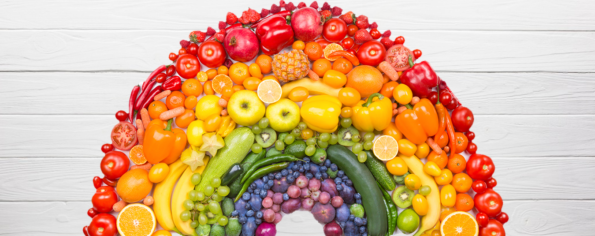
Are you consuming enough fruits and vegetables? According to National Health Morbidity Survey 2019, a staggering 95% of Malaysian adults do not consume the recommended daily intake of fruits and vegetables as recommended in Malaysian Dietary Guidelines. Fruits and vegetable are packed with important essential vitamins (vitamins A, B6, C and folic acid), minerals (sodium, calcium, phosphorus, iron and magnesium) and phytochemicals with enormous healing powers. An excellent source of dietary fibre, fruits and vegetables help maintain a healthy gut and prevent constipation. The World Health Organisation states that a healthy diet contains at least 400g, or 5 portions, of fruits and vegetables a day. Try to eat a rainbow of different coloured fruits and vegetables every day to get the full range of health benefits. Let’s take a look at each colour. Red Food sources: Tomato, strawberry, onion, pomegranate, apple Benefits: Protects against heart disease, diabetes and certain types of cancer Orange / yellow Food sources: Oranges, banana, lemon, corn, pineapple Benefits: Great for eyesight, immunity and cell growth Green Food sources: Broccoli, asparagus, kiwi, cucumber, green apple Benefits: Supports detoxification, immunity and digestion Blue / purple Food sources: Blueberry, eggplant, plum, prune, fig Benefits: Promotes longevity and heart health White / brown Food sources: Cauliflower, garlic, potato, mushroom, radish Benefits: Supports immunity and circulatory system

Your eyes are the most precious sense that you need to take good care of. You may not be realising that a lot of seemingly harmless habits could be negatively affecting your vision. Let’s find out the things that you are doing every day that can be potentially hurting your eyes and how to avoid them. Staring at screens for long hours Staring at computer, tablet or smartphone screens for long hours can hurt your eyes. Not blinking enough from too much screen time can dry out your eyes. The blue light emitted from the screens can also decrease contrast, leading to digital eyestrain. Give your eyes a break by practising the 20-20-20 rule, which calls for you to look away from the screen every 20 minutes for at least 20 seconds and look instead at an object that is at least 20 feet away. Rubbing the eyes Itchy eyes are irritating, but the problems are made worse by rubbing the eyes. Your hands pick up germs than any other part of your body. When you rub your eye, these germs are easily transferred and can often cause infections. Eye rubbing also causes tiny blood vessels to break which in turn results in blood-shoot eyes. A warm compress may help soothe your sore, irritated eyes. Misusing eye makeup Eye cosmetics are usually safe to use, but the improper application can cause infections or allergic reactions. Applying mascara, eye shadow or eyeliner too near your lash line can block oil glands, causing a buildup that can result in infections. Be sure to remove your eye makeup properly before going to bed. Not wearing the right sunglasses Are you wearing sunglasses to cut down on glare or to look cool? Much like your skin, your eyes need to be protected from the sun’s harmful UV rays, even on cloudy days. If you spend long hours outdoors, choosing a good pair of UV-blocking shades is the most important thing you can do to protect your eyes. Overusing eye drops While the dry eyes are momentarily soothed, overuse of eye drops can actually do more harm than good in the long term. Most over-the-counter artificial tears contain preservatives that may damage the surface of your cornea and produce symptoms similar to dry eyes if used multiple times throughout the day. If you are using prescription eyedrops, be sure to follow your doctor’s instructions. Staring directly at the sun Staring directly at the sun is bad for your eyes. Not only it will give you headache and vision distortion, but also can cause permanent damage to your retina. It is especially dangerous to view the sun with your naked eyes during the eclipse. The brightness of the sun is hidden, but the harmful rays are in full force. Never to look directly at the sun! Smoking cigarettes Smoking affects almost every aspect of your body including your eyes. Studies show smoking increases the risk of eye disorders like macular degeneration, dry eye syndrome, cataracts and diabetic retinopathy. It is thought that smokers are up to four times more likely than non-smokers to lose vision later in life. So, quit smoking! Not eating a balanced diet A significant part of taking care of your eyes is eating a balanced, healthy diet. Much like the rest of your body, your eyes also need nutrients. Choose food rich with lutein, zeaxanthin, beta-carotene and omega-3 fatty acids. Not drinking enough water Dry eyes, red eyes and puffy eyelids can all be a result of dehydration. When you are dehydrated, your eyes produce less tears. Without adequate moisture, your eyes become dry, itchy and uncomfortable. Be sure to drink enough water to stay hydrated. Skimping on sleep It is called beauty sleep for a reason. Insufficient sleep can adversely affect your vision. When you do not get enough sleep, your eyes can feel strained, dry and itchy the next day. You can also get unsightly dark circles under your eyes. Get off your gadgets and get a good night’s sleep. Prevention is better than cure. Be sure to avoid practising these bad habits in order to safeguard your eyes from injury or any forms of hazards. Always take good care of your eyes to keep your vision well into your golden years. It is a good idea to schedule an appointment with your eye doctor right away if you experience any eye problems.

Losing weight is not all about hitting the gym and having a strict eating regimen. Sometimes, even just the simplest lifestyle changes can deliver major pay-offs. Check out these incredibly simple ways to boost your calorie burn. ExerciseThe ultimate way to burn calories by moving more! Spend more time for exercise. Do any exercise like aerobic exercise or strength training or any form of exercise that you will feel the joy doing it. When you exercise, you use muscle. This helps build muscle mass, and muscle tissue burns more calories. Consume enough proteinA high-protein diet has major benefits for weight loss. Protein has been shown to promote satiety, helping you to eat fewer calories. High protein intake can help you maintain lean body mass while reducing muscle loss during weight loss. Climb stairsUse the stairs instead of the elevator. You do burn calories climbing and descending staircases. It can also help shape the muscles in your lower body! Sleep earlyYour body needs a rest after a long day. When you sleep less, your body will burn calories at a slower rate in order to preserve energy. One of the best ways to cut down calories might be simply to get more sleep. Do not skip breakfastBreakfast is the most important meal of the day, so do not skip breakfast. Numerous studies suggest that skipping breakfast is associated with increased body weight. When you skip breakfast, you tend to consume more calories by the end of the day. Drink more waterWater is important for most of the chemical reactions that occur in your body including calorie burning. Drinking water helps boost your metabolism, flush out wastes, and make you feel fuller. Take a 2-minute walk every hourTry timing yourself to have a walk for two minutes every hour. It is worth a try as a study shows that a two-minute walk every hour can offset the effects of too much sitting, one of the habits that make you gain weight. Take Fiit-SFiit-S is a revolutionary weight-loss formula featuring Sinetrol®, the patented Mediterranean ingredient which helps you achieve a healthy body composition through the action of scientifically proven Fat Shredding TechnologyTM.
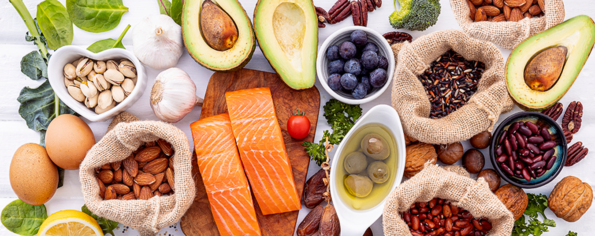
Always feeling hungry but wanting to control your diet? It can be difficult to find foods that can satisfy hunger but also taste good and help you lose weight. The good news is there are plenty of healthy foods you can enjoy to help you feel full without breaking your calorie bank. Here are 10 smart choices of low-calorie foods that are surprisingly filling. OatmealOatmeal can be an excellent addition to a healthy weight loss diet. Not only is it low in calories, but also packed with fiber and protein that will help you feel full longer than other foods. Greek yogurtGreek yogurt is great for weight loss as it boasts a high protein content which is low in fat, carbohydrates, calories and sugar. It can help curb cravings by increasing feelings of fullness. EggsEggs are low in calories but packed with and many vital nutrients. They are one of the best sources of high-quality protein that aids weight loss. Protein reduces appetite and makes you eat fewer calories. Chia seedsChia seeds pack a high amount of protein and fiber into a low number of calories. Protein and fiber are associated with reduced appetite and hunger, as well as increased feelings of fullness. AvocadosAvocadoes are particularly high in metabolism-enhancing monounsaturated fats that have been shown to increase the rate at which fat is burned. They also contain a lot of fiber, which can help you feel fuller and more satiated after eating. StrawberriesIt is amazing how low calorie strawberries are, while still packing in plenty of health-promoting vitamins, minerals and antioxidants. Their high fiber content also keeps you feeling full throughout the day. CeleryCelery is incredibly low in calories and is full of fiber and water content. It can help you feel full while cutting back on calories. SalmonIn addition to being a great source of lean protein, salmon also packs heart-healthy omega-3 essential fatty acids. Protein helps you lose weight as it increases feelings of fullness and reduces appetite. Lean meatLean meats like chicken or turkey breasts are low in calories but loaded with protein, which is beneficial when you are trying to shed pounds. Remember not to eat the skin.
