Maintaining healthy cholesterol levels is essential for supporting long-term heart and cardiovascular health. While cholesterol is often viewed negatively, your body actually needs it to build cells, produce hormones, and support other important functions. According to the American Heart Association (AHA)[1], having high LDL (“bad”) cholesterol or low HDL (“good”) cholesterol can increase the risk of plaque buildup in the arteries, which may affect heart health over time.
The good news is that healthy cholesterol levels can often be supported through a combination of a balanced diet, regular exercise, and targeted nutritional support. Understanding the key nutrients and adopting simple daily habits can help promote healthy cholesterol balance and support overall cardiovascular wellness.
What Is Cholesterol?
According to Cleveland Clinic[2], cholesterol is a waxy, fat-like substance that your body needs to build healthy cells, produce hormones, and make vitamin D. While cholesterol is essential for normal body functions, maintaining healthy cholesterol levels is important for supporting long-term heart and cardiovascular health.
There are two main types of cholesterol:
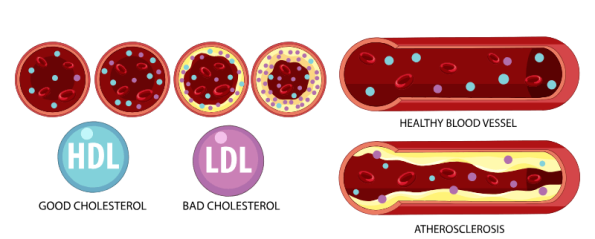
LDL (Low-Density Lipoprotein) – Often called “bad cholesterol,” high LDL levels can contribute to plaque buildup in the arteries, increasing the risk of heart disease and stroke.
HDL (High-Density Lipoprotein) – Known as “good cholesterol,” HDL helps remove excess cholesterol from the bloodstream and carries it back to the liver for removal.
Maintaining a healthy balance between LDL and HDL cholesterol is an important part of supporting overall cardiovascular health.
Key Nutrients That Support Healthy Cholesterol Levels
A combination of clinically studied nutrients can help support healthy cholesterol levels and overall cardiovascular health when combined with a balanced diet and healthy lifestyle.
Omega-3 Fatty Acids
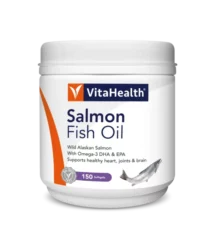
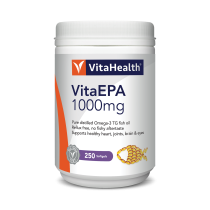
According to Cleveland Clinic[3], omega-3 fatty acids are essential fats that support heart health and help maintain healthy blood lipid levels. Since the body cannot produce sufficient amounts on its own, omega-3s should be obtained through diet or supplementation.
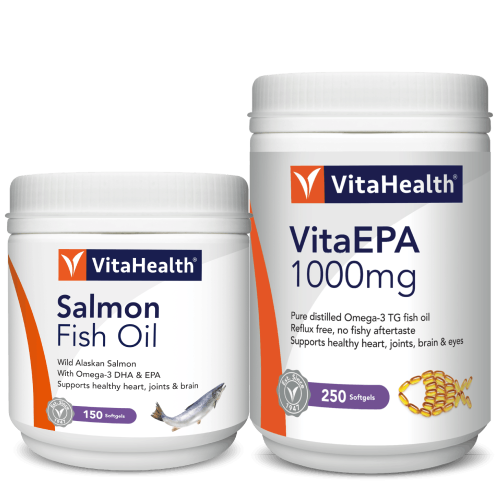
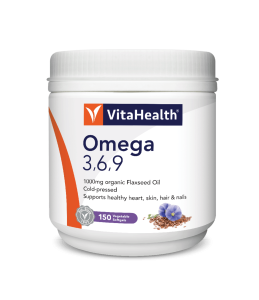
Omega-3 fatty acids are commonly obtained from fish oil (EPA & DHA) or plant-based sources such as flaxseed oil, which provides alpha-linolenic acid (ALA).
How Do Omega-3 Fatty Acids Work?
Omega-3 fatty acids help reduce the production of triglycerides in the liver while supporting healthy blood vessel function and a balanced inflammatory response. This helps maintain healthy blood lipid levels and supports cardiovascular health.
Key Benefits of Omega-3
Supports healthy triglyceride levels
Promotes cardiovascular health
Helps maintain a healthy lipid balance
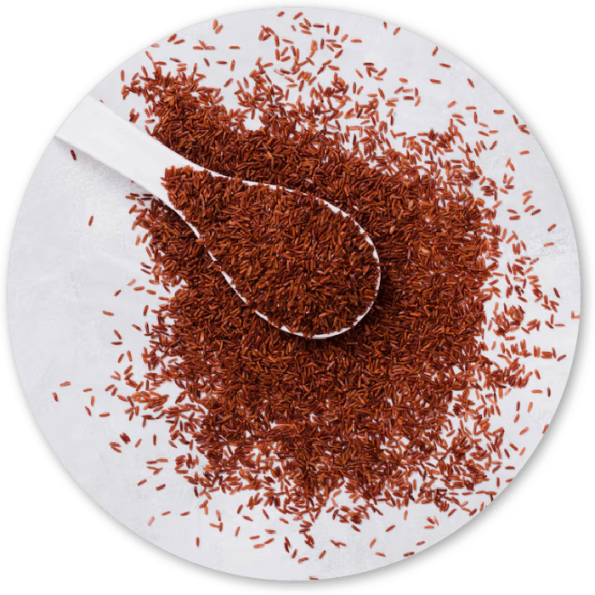
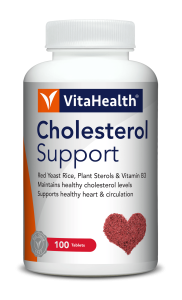
Red Yeast Rice
According to the National Center for Complementary and Integrative Health (NCCIH)[4] , red yeast rice is a traditional fermented ingredient that has been used for centuries to support healthy cholesterol levels. It naturally contains compounds known as monacolins, including monacolin K, which help support normal cholesterol metabolism.
How Does Red Yeast Rice Work?
Red yeast rice helps reduce the body’s natural production of cholesterol in the liver by supporting the regulation of cholesterol synthesis. This helps maintain healthy LDL (“bad”) cholesterol levels and supports overall lipid balance.
Key Benefits of Red Yeast Rice
Supports the maintenance of healthy cholesterol levels
Helps maintain healthy LDL cholesterol
Supports a healthy lipid balance
Promotes cardiovascular health
Plant Sterols
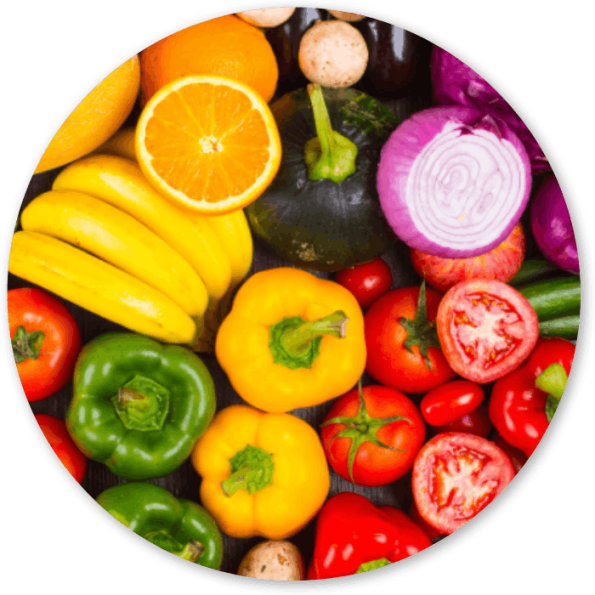
According to WebMD[5], plant sterols are naturally occurring compounds found in fruits, vegetables, nuts, seeds, and whole grains. Their structure is like cholesterol, allowing them to compete with cholesterol for absorption in the digestive system.
How Do Plant Sterols Work?
Plant sterols compete with dietary cholesterol for absorption in the intestines, reducing the amount of cholesterol absorbed into the bloodstream. As a result, the body absorbs less cholesterol, helping maintain healthy LDL (“bad”) cholesterol levels.
Key Benefits of Plant Sterols
Supports healthy cholesterol levels
Helps maintain healthy LDL cholesterol
Promotes cardiovascular health
Daily Habits for Better Cholesterol
Incorporating simple daily habits can help support healthy cholesterol levels over time:
Choose Healthier Fats
Replacing saturated fats with unsaturated fats, such as those found in fish, nuts, and plant oils, supports heart health.
Increase Fibre Intake
Foods rich in soluble fibre, such as oats, fruits, and vegetables, help support cholesterol balance.
Stay Physically Active
Regular movement supports cardiovascular function and overall metabolic health.
Maintain a Healthy Weight
Weight management plays an important role in supporting cholesterol levels.
Reduce Processed Foods
Limiting high-fat and highly processed foods supports long-term heart health.
Keep Your Cholesterol in Check
Supporting healthy cholesterol levels starts with a balanced diet, regular exercise, and healthy lifestyle habits. To complement your daily routine, VitaHealth offers a range of scientifically formulated supplements designed to support heart health, healthy cholesterol levels, and overall cardiovascular wellness.
What are the benefits of omega-3 fatty acids for heart health?
Omega-3 fatty acids help support healthy triglyceride levels, promote cardiovascular health, and maintain overall lipid balance. They also support healthy blood vessel function as part of a heart-healthy lifestyle.
How do plant sterols help support cholesterol levels?
Plant sterols have a structure similar to cholesterol. They compete with cholesterol for absorption in the intestines, helping reduce the amount of cholesterol absorbed into the bloodstream and supporting healthy LDL cholesterol levels.
Is red yeast rice effective for supporting healthy cholesterol levels?
Red yeast rice has been traditionally used to support healthy cholesterol levels. It naturally contains compounds called monacolins, which help support normal cholesterol metabolism when combined with a balanced diet and healthy lifestyle.
What causes high cholesterol?
High cholesterol can result from several factors, including:
A diet high in saturated and trans fats
Lack of physical activity
Excess body weight
Smoking
Ageing
Family history and genetics
Can younger adults have high cholesterol?
Yes. High cholesterol can affect people of all ages. Poor diet, lack of exercise, obesity, and family history can all contribute to elevated cholesterol levels, even in younger adults.
Can I take fish oil together with VitaHealth Cholesterol Support supplements?
In many cases, fish oil and cholesterol support supplements can be taken together as part of a heart-healthy routine. However, if you are taking prescription medications, especially blood thinners or cholesterol-lowering medicines, consult your healthcare professional before use.














 Vegan
Vegan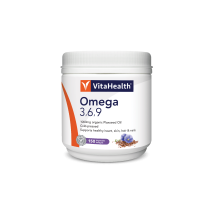
 Vegetarian